African and Caribbean Nations Seek Formal Apology and Reparations for Transatlantic Slavery
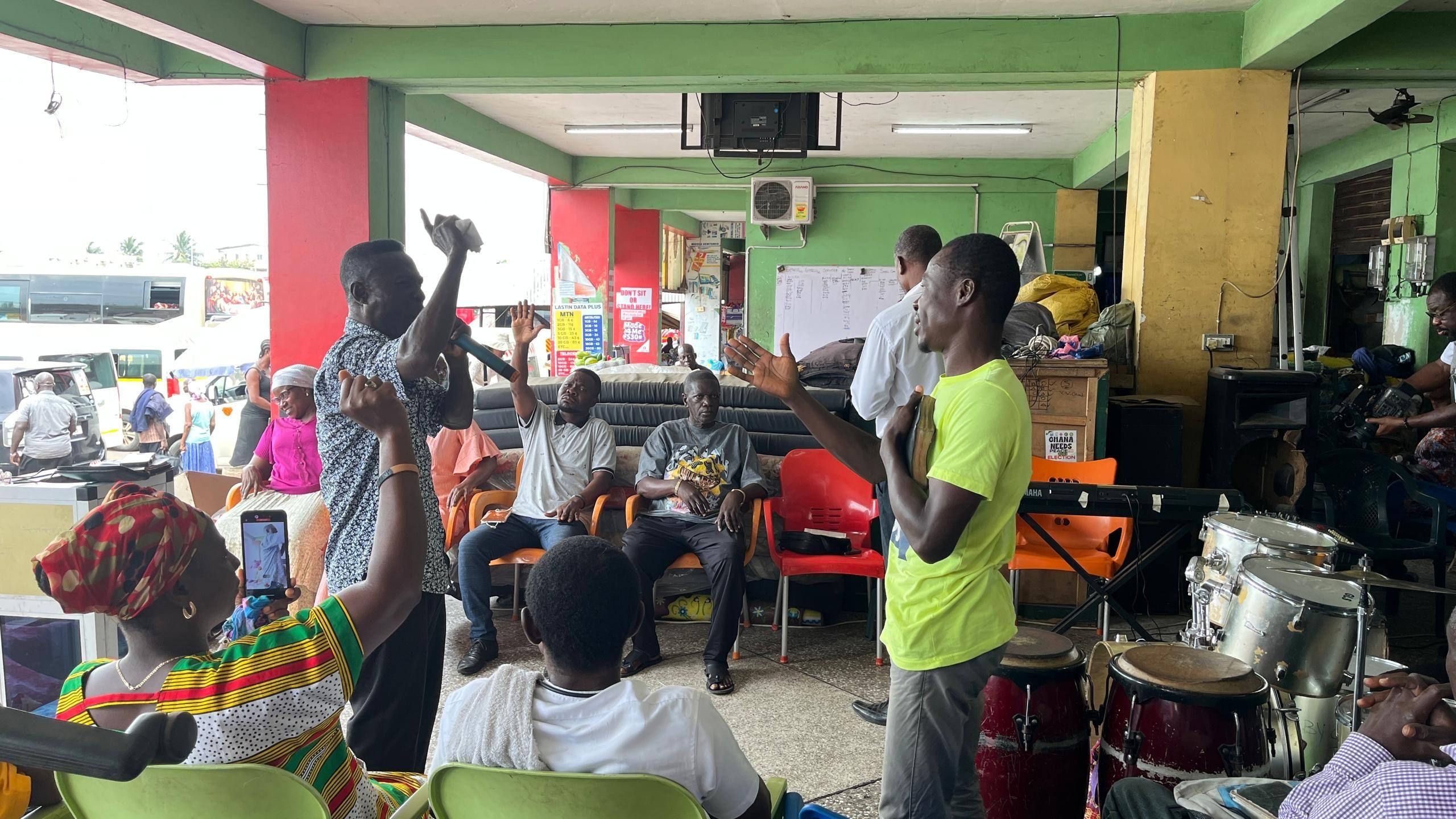
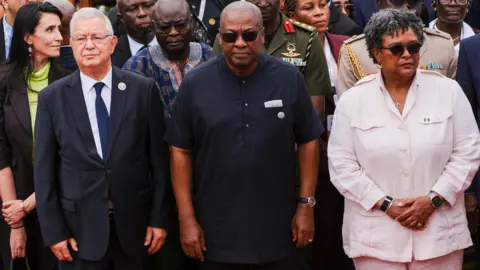
In a three‑day gathering in Accra, Ghana, leaders from Africa and the Caribbean pressed former colonial powers to issue a formal apology and provide reparations for the transatlantic slave trade, a system that sent an estimated 12‑15 million Africans to the Americas for forced labour.
The plea followed a landmark United Nations General Assembly vote in March that recognized slavery as the "gravest crime against humanity" and urged member states to contribute to a reparations fund. 123 countries voted in favour, while the United States, Israel and Argentina opposed the resolution.
19‑Point Reparations Plan
The conference adopted a 19‑point framework that includes comprehensive debt relief, restitution of looted cultural property, and the creation of a global reparations fund. No specific monetary figure was set, but the plan stresses the disproportionate impact of slavery on African women and girls.
Reactions from Former Colonial Powers
The United Kingdom and the United States have historically resisted calls for financial compensation, arguing that contemporary institutions cannot be held legally responsible for 19th‑century abuses. UK Ambassador to the UN, James Kariuki, stated that "no single set of atrocities should be regarded as more or less significant than another." US Ambassador echoed the view that the resolution does not establish a legal right to reparations.
In contrast, French President Emmanuel Macron issued a virtual note acknowledging that enslaved people were "dehumanised and treated as goods" and urged that reparations cannot be reduced to a simple check.
Historical Context of Compensation
During the 1830s, following the abolition of slavery, Britain paid slave owners the equivalent of more than $21 bn (£16 bn) in today's money, but compensation largely went to owners, not to those who had been enslaved. No country has ever paid reparations directly to the descendants of enslaved Africans, Caribbean, or Latin American populations.
Ghana's President John Dramani Mahama underscored the moral imperative of the conversation, saying, "History does not ask us to inherit guilt, but it asks us to inherit responsibility."
The ongoing debate reflects a broader global discourse on reconciling historical injustices with contemporary realities, a challenge that remains unresolved as the world grapples with the legacies of the transatlantic slave trade.