Algeria adopts worst‑case punishment for arson after deadly wildfires
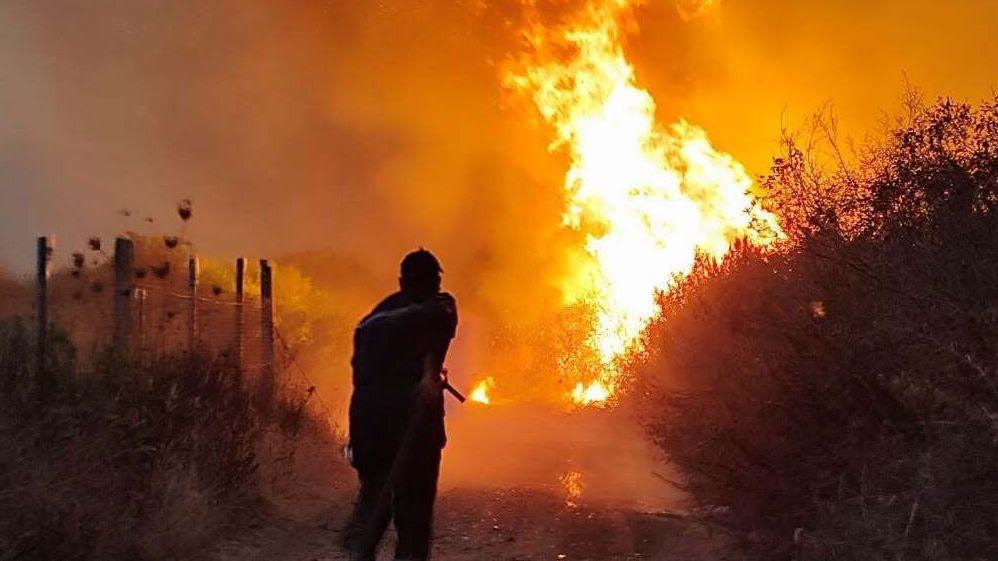
Algeria has adopted a law imposing the death penalty on people convicted of arson of forests or fields after a series of blazes that ravaged the country last summer. The bill also classifies child abduction that involves torture, sexual assault or mutilation as a capital offence.
Official figures from the Ministry of Internal Affairs put the death toll at 12, but independent outlets publish reports suggesting that the true number may be closer to 200. Investigative journalist Nozha Khelalef has gathered death notices to calculate an estimate of about 200 victims, as shown on the independent website Twala.
President Abdelmadjid Tebboune directed the justice ministry to introduce the law after the heatwave and forest fires that burned more than 100 sites across the north‑east of the country. Justice Minister Lotfi Boudjemaa defended the measure as a “necessary response to curb crimes” that had reached the level of organised crime and were allegedly linked to foreign parties.
Capital punishment is already part of Algeria’s penal code, yet the country has not carried out an execution since 1993. Human‑rights organisations argue that reinstating the death penalty risks contravening international obligations and may undermine due‑process guarantees.
Climate experts warn that the current climate crisis is intensifying the frequency and severity of wildfires worldwide, calling for comprehensive prevention, early‑warning and forest‑fire‑management strategies rather than extreme punitive measures.
International observers have offered mixed reactions. Supporters applaud the strict deterrence approach, while critics fear that the new law could be used to silence dissent, especially in a region with ongoing security concerns.
The Algerian Council of the Nation will review the bill before formal ratification by the president. Meanwhile, civil‑society groups call for fines, rehabilitation programmes and stronger environmental safeguards as the primary weapons against future disasters.