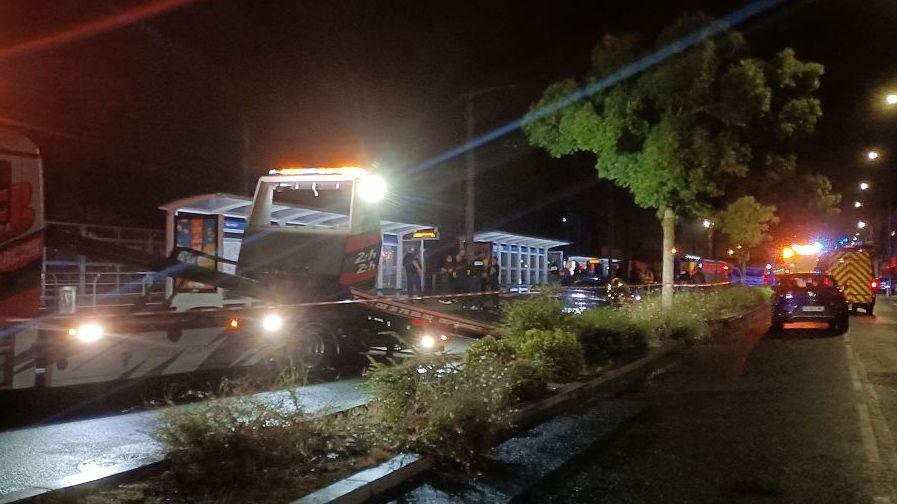

A vehicle deliberately rammed a cluster of pedestrians near Caen’s main train station on 26 August, killing two people and critically injuring 10 others. The car was reported to have been driven into the crowd by a man in the immediate aftermath of a brawl that erupted between two groups, police said.
A 26‑year‑old suspect of Russian birth was later arrested about 12 miles away in the port town of Ouistreham. Police identified him through CCTV footage from the city’s surveillance network. He had previously been noted only for traffic infractions and had no prior record with security services, prefect David Clavière confirmed.
“We do not have evidence of a terrorist motive at this juncture,” said Bruno Coutanceau, Caen’s top security official. The investigation has been handed to the Specialised Crime Division, with officials still probing what triggered the driver’s abrupt decision.
The incident has prompted a broader conversation on urban safety. Many in Caen’s council highlighted the need to strengthen traffic control near busy public spaces, while civic groups in the region cited concerns about overcrowding and crowd management during public gatherings.
Across Europe, officials have drawn parallels to other vehicular attacks on civilians. Similar cases in Germany and Spain have led to calls for integrated emergency response systems, improved surveillance, and stricter vehicle controls in congested areas. Neutralecho’s policy analysts note that while the immediate focus is on the cause of this particular incident, the underlying patterns point to systemic gaps in road safety and crowd protection that require coordinated policy approaches.