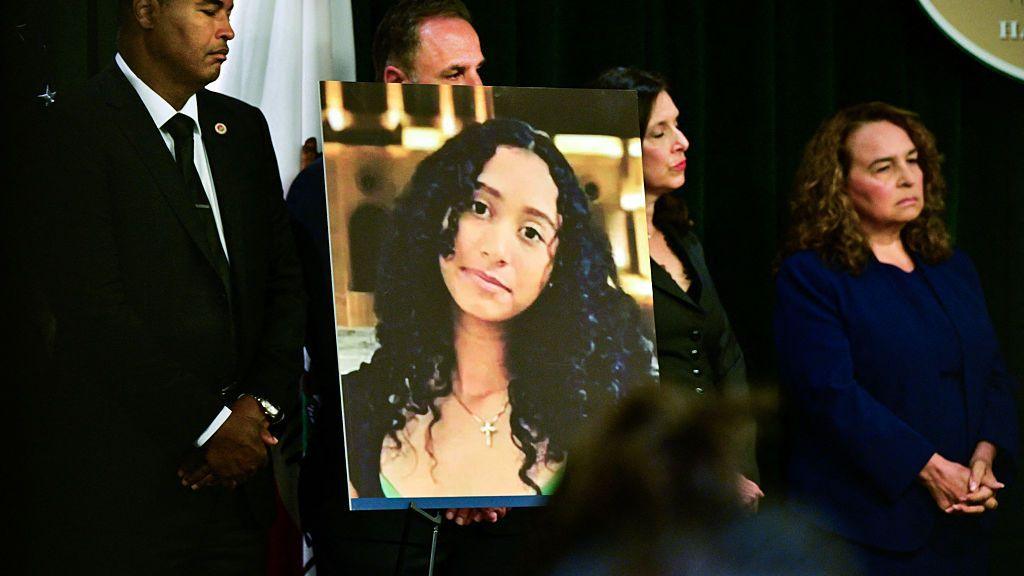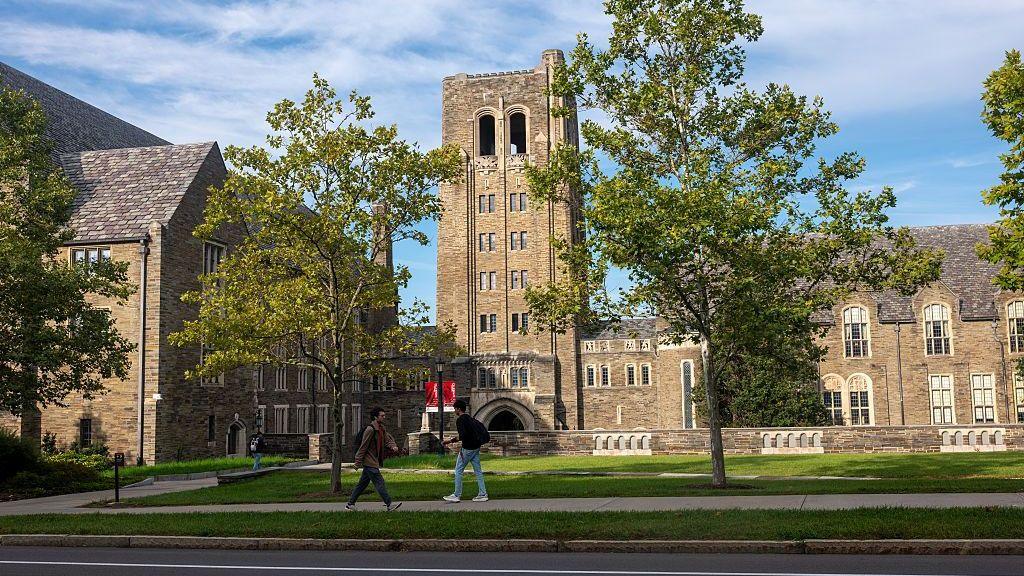
The lawyer for a woman who claims to have been raped by seven men at a Cornell University fraternity house said she is “not doing well” and feels “under siege” from online investigators demanding her identity.
The alleged victim, who remains unnamed in court documents, says she was severely intoxicated when she arrived at the house, which she argues made her incapable of giving consent. Her attorney, Thomas Giuffra, also contends that the woman was drugged with ketamine before the assault. A civil lawsuit filed in 2024 has reignited the story, prompting police to reopen questions about possible criminal charges.
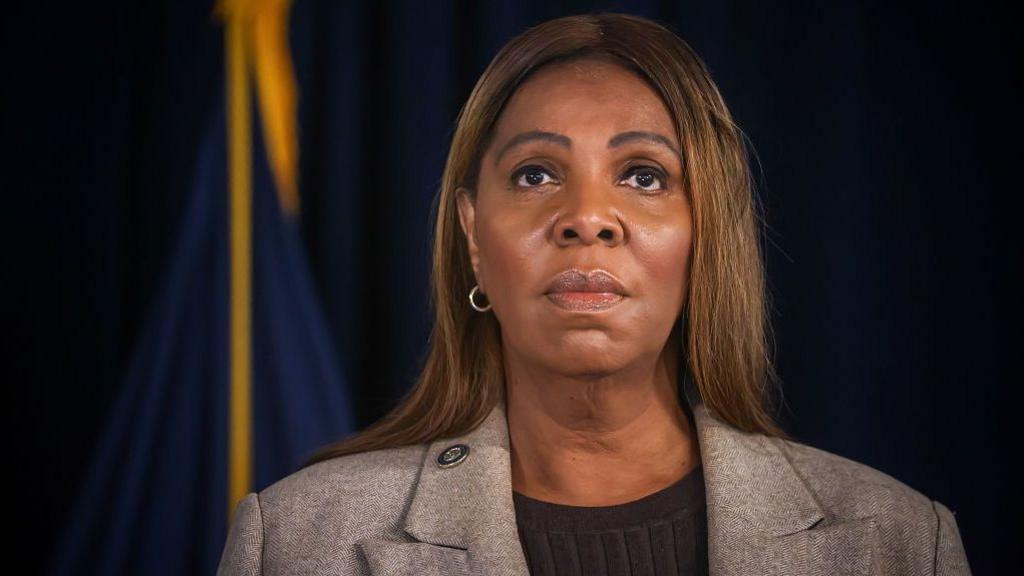
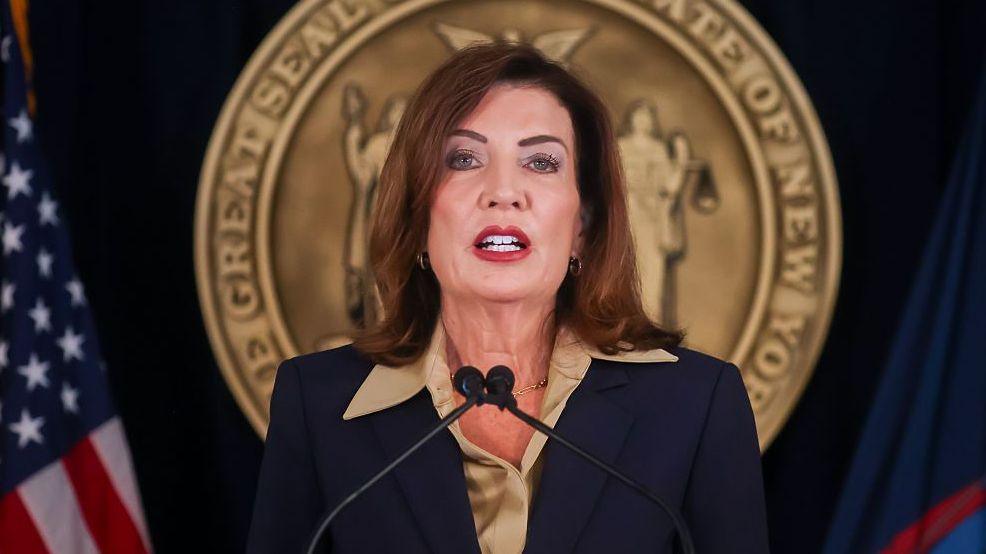
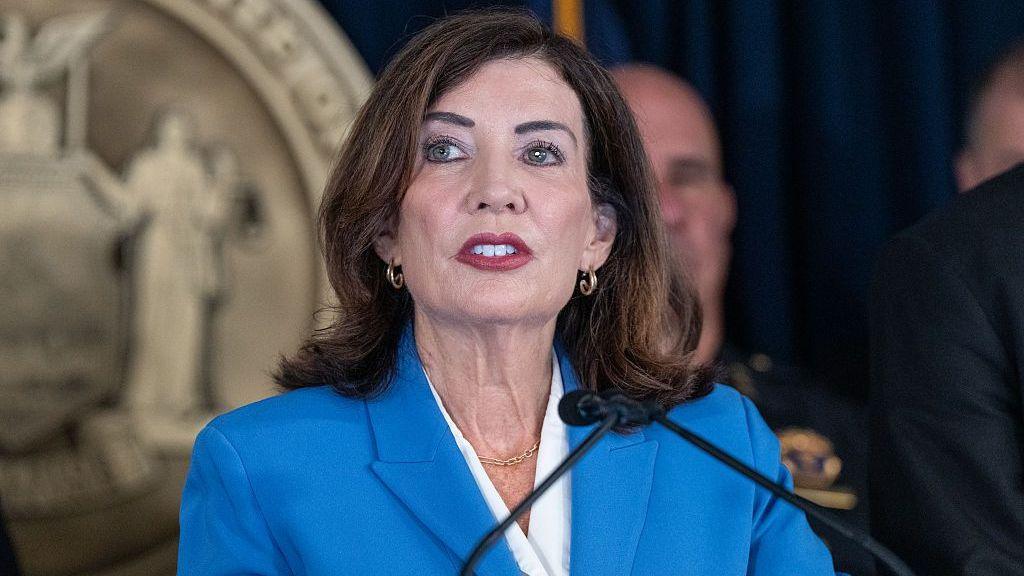
The case drew political attention when New York Governor Kathy Hochul replaced the county prosecutor with Attorney General Letitia James. In a press briefing, Hochul expressed “lost faith” in the county’s handling of the case and pledged to close a state law loophole that complicates rape charges when the alleged victim consumes alcohol or drugs.
Social media has become a crucible for the dispute. Thousands of women have posted videos titled “I am Jane Doe” to shield the accuser’s anonymity, while others have tried to locate and expose the identities of the so‑called Cornell Seven. This action led to a mistaken delivery of the lawsuit to an active‑duty U.S. Marine Corps sergeant who shares a name with one of the accused, sparking a wave of abuse and threats.
The case illustrates the tensions between protecting alleged victims, holding potential perpetrators accountable, and the powerful role of online communities in shaping modern justice discourse.