The Group of Seven (G7) announced today that it will release up to 100 million barrels of oil and diesel into the global market over the next four months. The release, coordinated through the International Energy Agency (IEA), includes a substantial front‑loaded diesel component that will be available within the first 20 days.
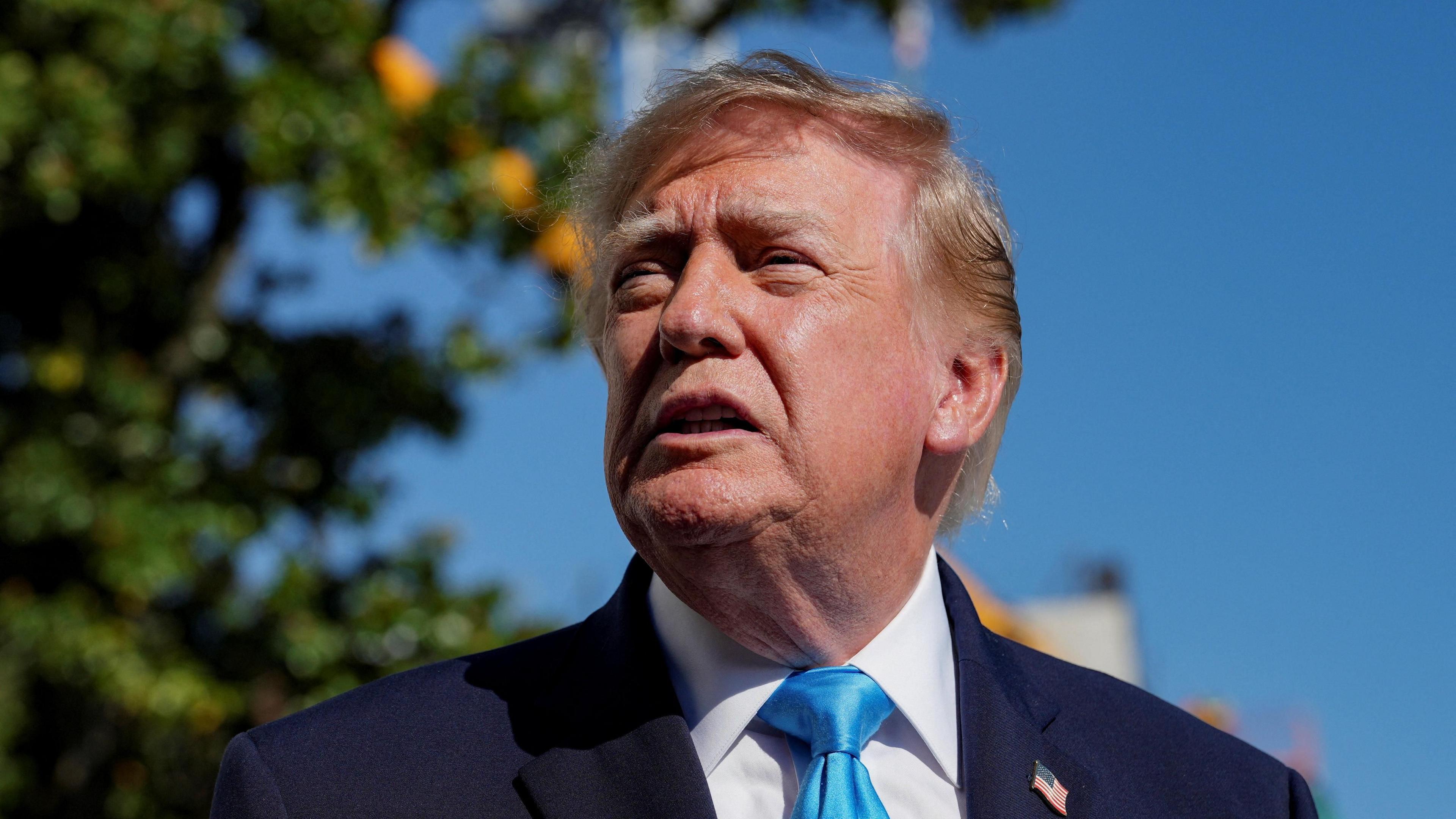
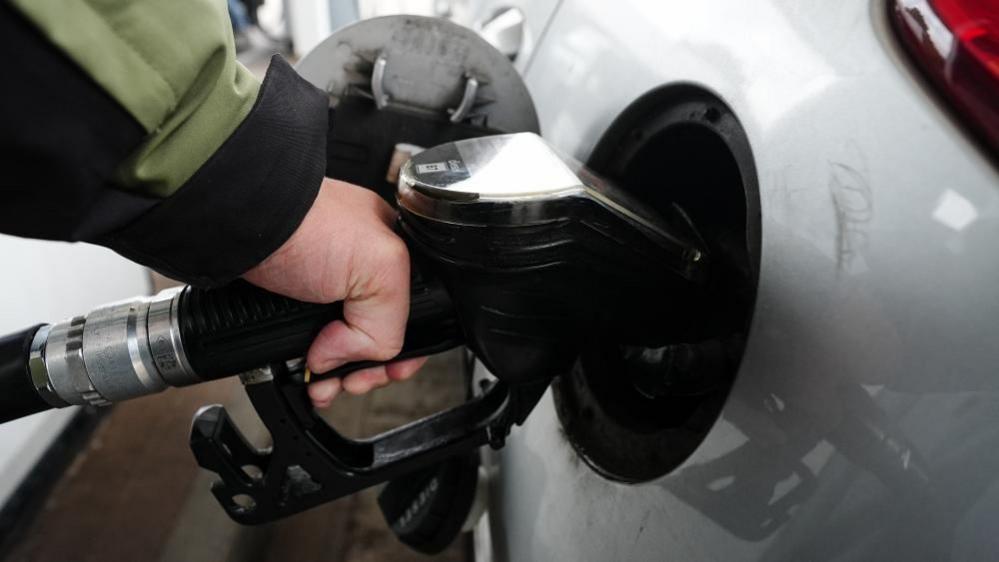
European leaders made the decision in response to U.S. President Donald Trump’s recent threat to ban diesel exports from the United States – a move that would have tightened supply and pushed prices higher, especially in Britain where diesel prices topped £2 per litre.
Trump’s statement, made on social media, warned that the U.S. would impose a ban if European partners did not reduce their own stocks. However, the G7’s coordinated release openly rejects export restrictions and aims to stabilize supply chains and protect consumers from price shocks.
The 100 million‑barrel package will include a mix of diesel and crude oil, with the exact split and timing of releases yet to be confirmed. Analysts expect the additional supply to pressure Brent crude and U.S. West Texas Intermediate (WTI) prices back toward the $100 threshold that slipped below earlier this week.
Other global factors – such as the ongoing conflict in the Middle East, which has curtailed crude oil and diesel flows, and Russia’s own export ban following attacks on its refineries – further complicate the market. The G7 has also reiterated its commitment to maintain sanctions against Russia amid its war in Ukraine.
From a supply‑chain perspective, the release is aimed at preventing simultaneous refinery shutdowns and encouraging increased diesel refining capacity within member and partner nations. This should help maintain steady flows to Europe, where over half of diesel is imported, 31 % of which comes from the U.S.
U.S. refineries produce roughly four to five million barrels of diesel per day, with the U.S. typically exporting 1.2 to 1.5 million barrels daily. The G7’s move is seen as a protection for global markets and a diplomatic response to the U.S. export threat.
Overall, the coordinated release is a reminder of how geopolitical decisions – from presidential threats to international conflicts – can swiftly influence commodity markets and the everyday cost of fuel for consumers and businesses alike.