G7 releases 100 million barrels of fuel to counter U.S. diesel export threat
The Group of Seven, consisting of the United States, United Kingdom, Canada, Japan, Germany, Italy and France, has decided to release 100 million barrels of oil and diesel. The release is intended to alleviate supply pressures that have pushed prices to record highs.
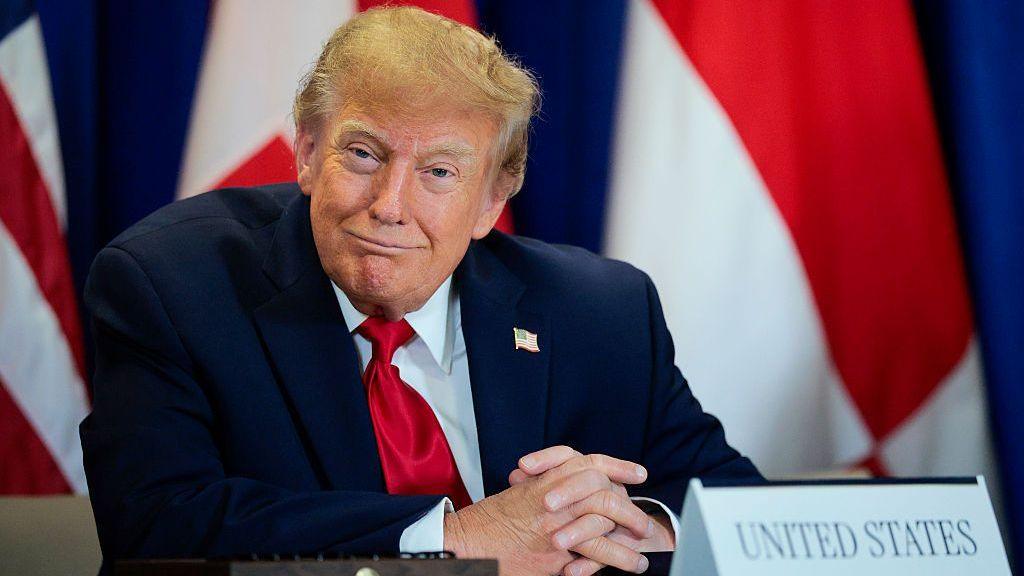
The decision followed a threat from President Donald Trump to ban U.S. diesel exports. A ban would have eased domestic price pressure before the November midterm election but would have tightened supplies in Europe, where diesel fuels many logistics and farming operations.
French President Emmanuel Macron chaired the G7 meeting and announced that the release would be coordinated through the International Energy Agency. A front‑loaded portion of the barrels, mainly diesel, will be delivered within the first 20 days of the four‑month window.
The joint statement also confirmed that G7 members will refrain from imposing new export restrictions on one another. The announcement was made in the same breath as Russia’s continued diesel export ban after attacks on its refineries.
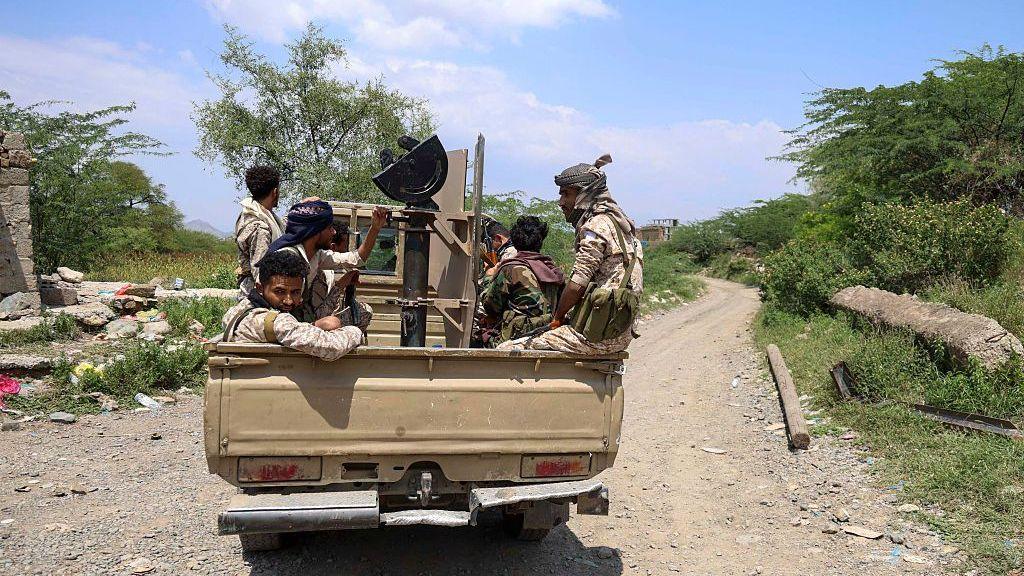
Market reactions were mixed. Brent crude briefly slipped below $100 a barrel, before rebounding to $102. Analysts attribute the volatility to the G7 release announcement and ongoing supply disruptions from Middle East conflicts and Houthi attacks in Yemen.
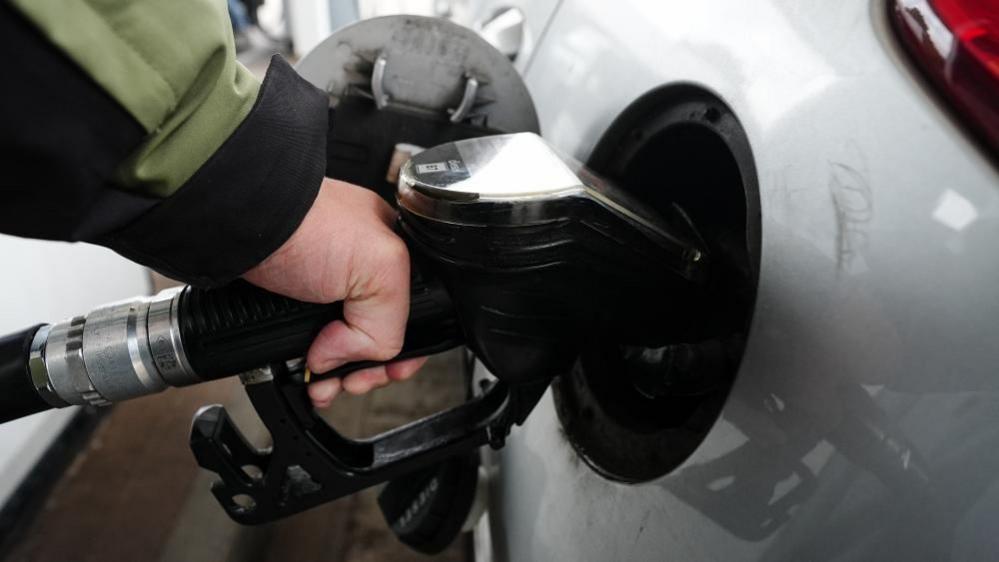
Europe’s economies, particularly the United Kingdom, have felt the impact of diesel price spikes. Over half of the UK’s diesel consumption is imported, and the nation has been experiencing pump prices crossing the £2 per litre threshold.
The U.S. remains a pivotal supplier, with domestic refineries producing roughly five million barrels of diesel daily. Americans consume about 3.6 million barrels; the remainder is exported, chiefly to Europe and other advanced economies.
In a wider context, the G7’s coordinated release is tied to ongoing geopolitical tensions. The United States, in particular, is maintaining sanctions against Russia amid its war in Ukraine, while the Middle East conflict continues to disrupt oil flows.
The G7 commitment to simultaneous refinery maintenance to avoid mass outages and to scale up diesel refining in partner countries underlines a shared strategy to stabilize the global fuel market.