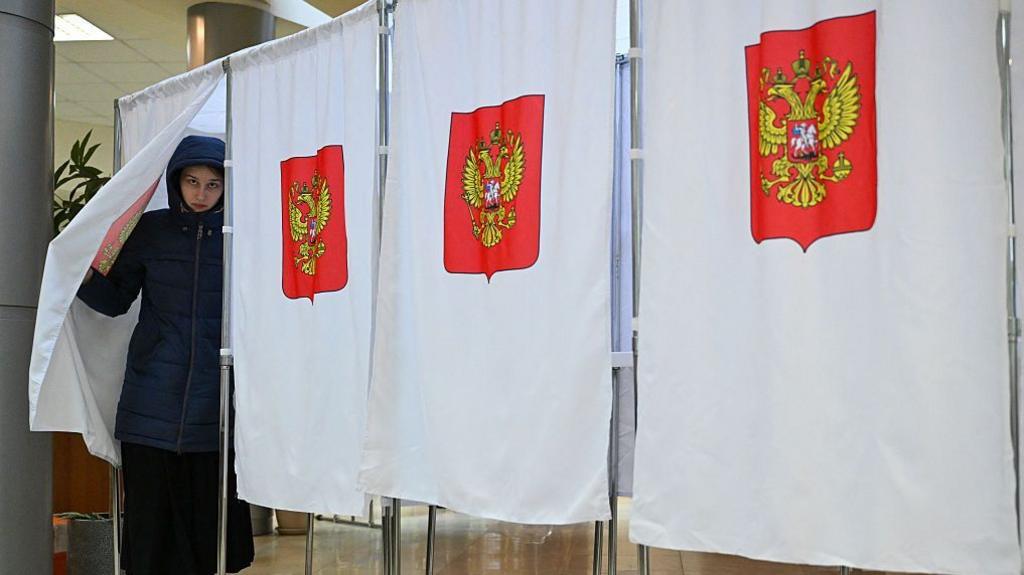
The Alternative for Germany (AfD) touched off a surge of headlines after it came in second‑place in the state election in Saxony‑Anhalt, Germany’s smallest federal state. Although it did not secure an outright majority, the party’s support—highly concentrated in former East Germany—was seen as a turning point for German politics.
Berlin’s coalition government, which has struggled to maintain confidence since the 2022 election, may now face increased pressure from both its own supporters and from the political opposition. Chancellor Friedrich Merz is already at a crossroad: analysts say the AfD’s performance could erode the credibility he is seeking to rebuild.
The European Union is not immune to the ripple. Brussels warned that a rise in nationalist sentiment in one member state could put pressure on the entire bloc, especially as the 2024 election season looms. National parties in Spain, Italy and France closely watched the German result, with the Spanish Vox leader praising the outcome as a “hope for Europe,” while France’s Europe minister cautioned about a “serious moment” for the EU.
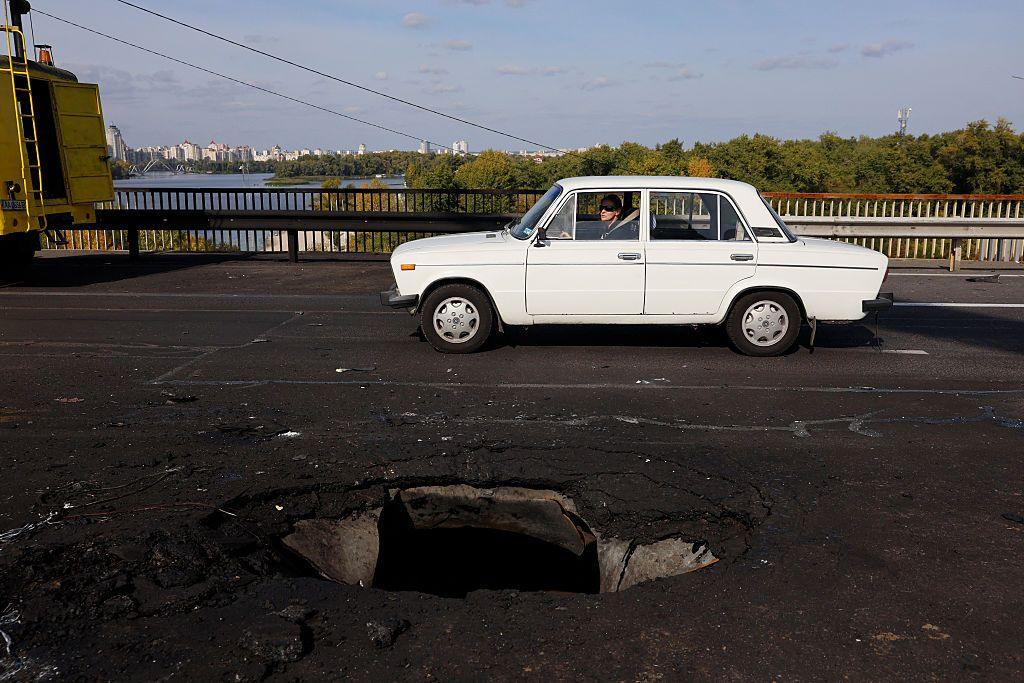
AfD’s comparatively pro‑Russia stance adds another layer of complexity. The party supports suspending military aid to Ukraine, easing sanctions against Moscow, and a return to cheaper Russian energy. By contrast, Germany remains the largest single donor to Ukraine and a key supporter of broader sanctions against Russia. The divergent positions could strain ties between German Allies and the EU, especially as the war in Ukraine continues to shape European security.
Beyond foreign policy, the election outcome touched on domestic concerns over immigration, job security and social cohesion—issues that have fueled nationalist rhetoric across many European countries. The AfD’s slogan “Anything is Possible” resonated with voters who feel that mainstream parties have failed to address the anxieties generated by global change.
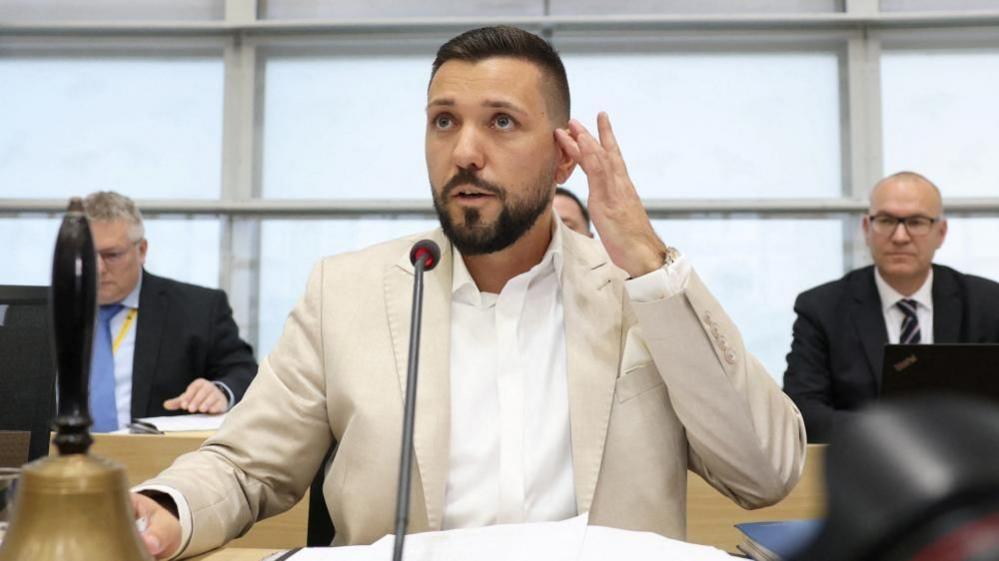
In Saxony‑Anhalt, Ulrich Siegmund, the AfD’s lead candidate, celebrated the result as a “clear mandate to govern.” His applause echoed both the enthusiasm of a party watching its impact grow wider, and the national debate over how much influence such parties should wield in a democratic system.
Looking ahead, European leaders will need to grapple with the AfD’s ascent while keeping the Union’s collective response to external threats coherent. The Saxony‑Anhalt election signals that nationalist movements are gathering momentum, challenging the traditional alliances that have bounded Europe for decades.