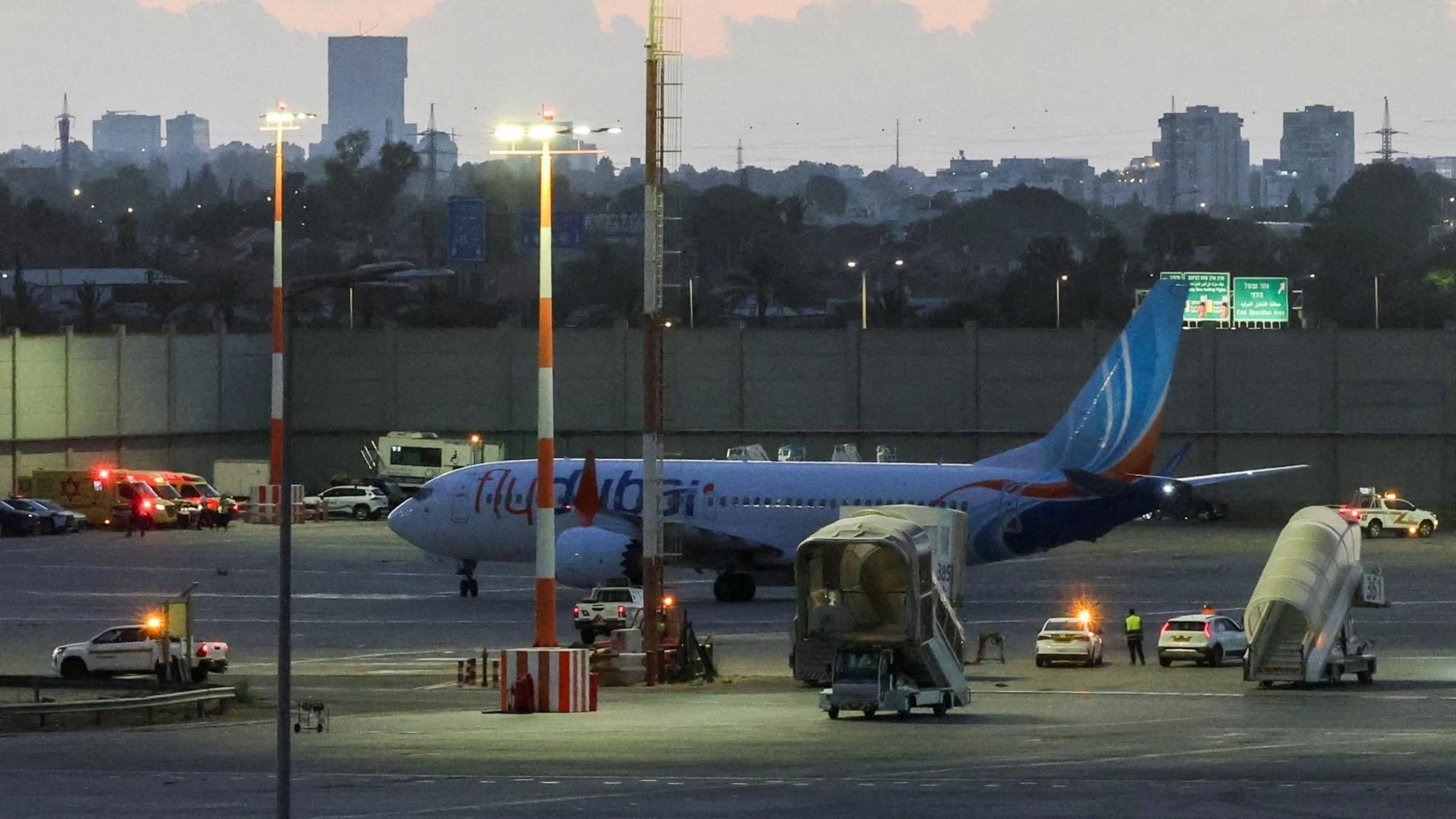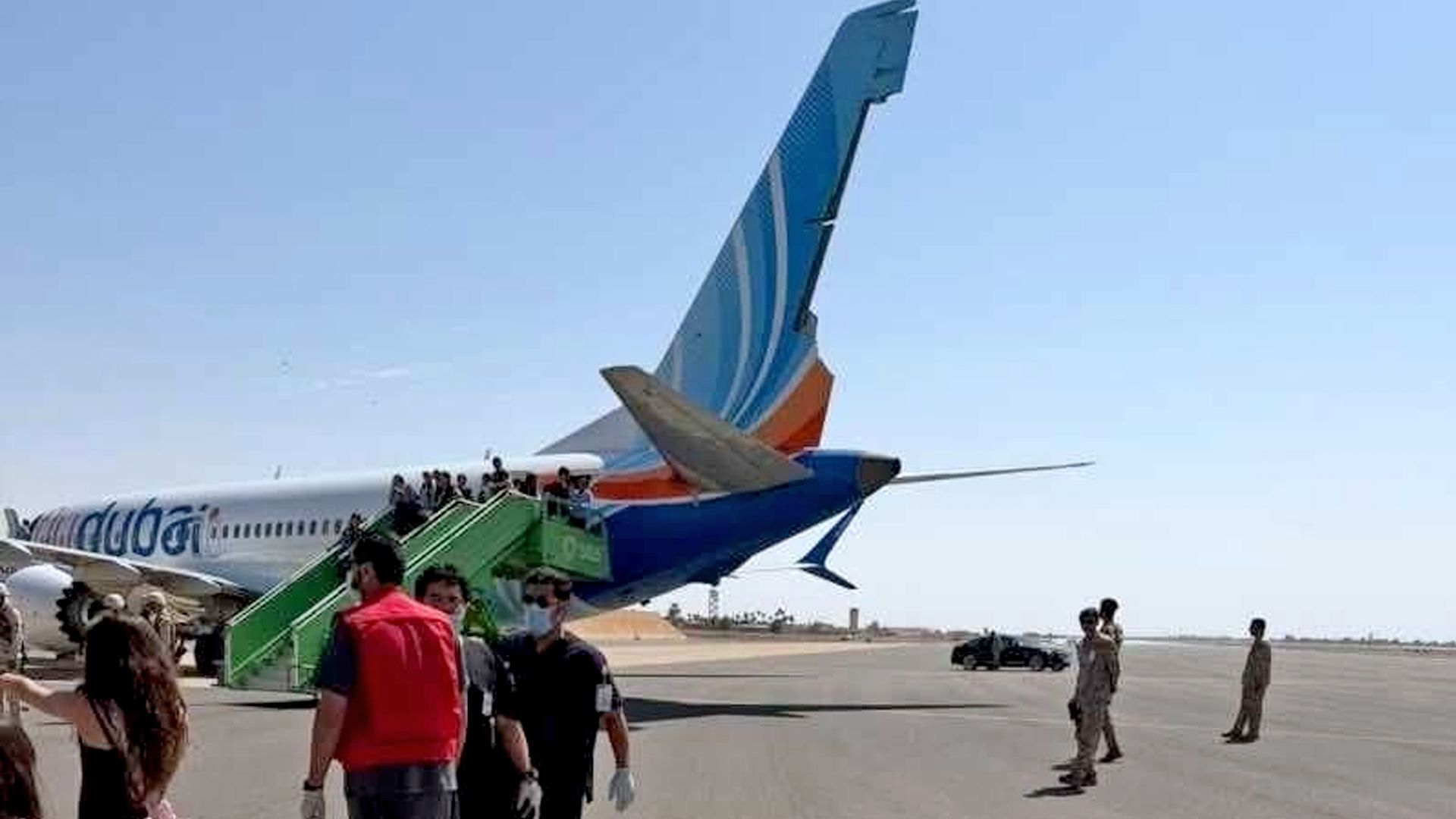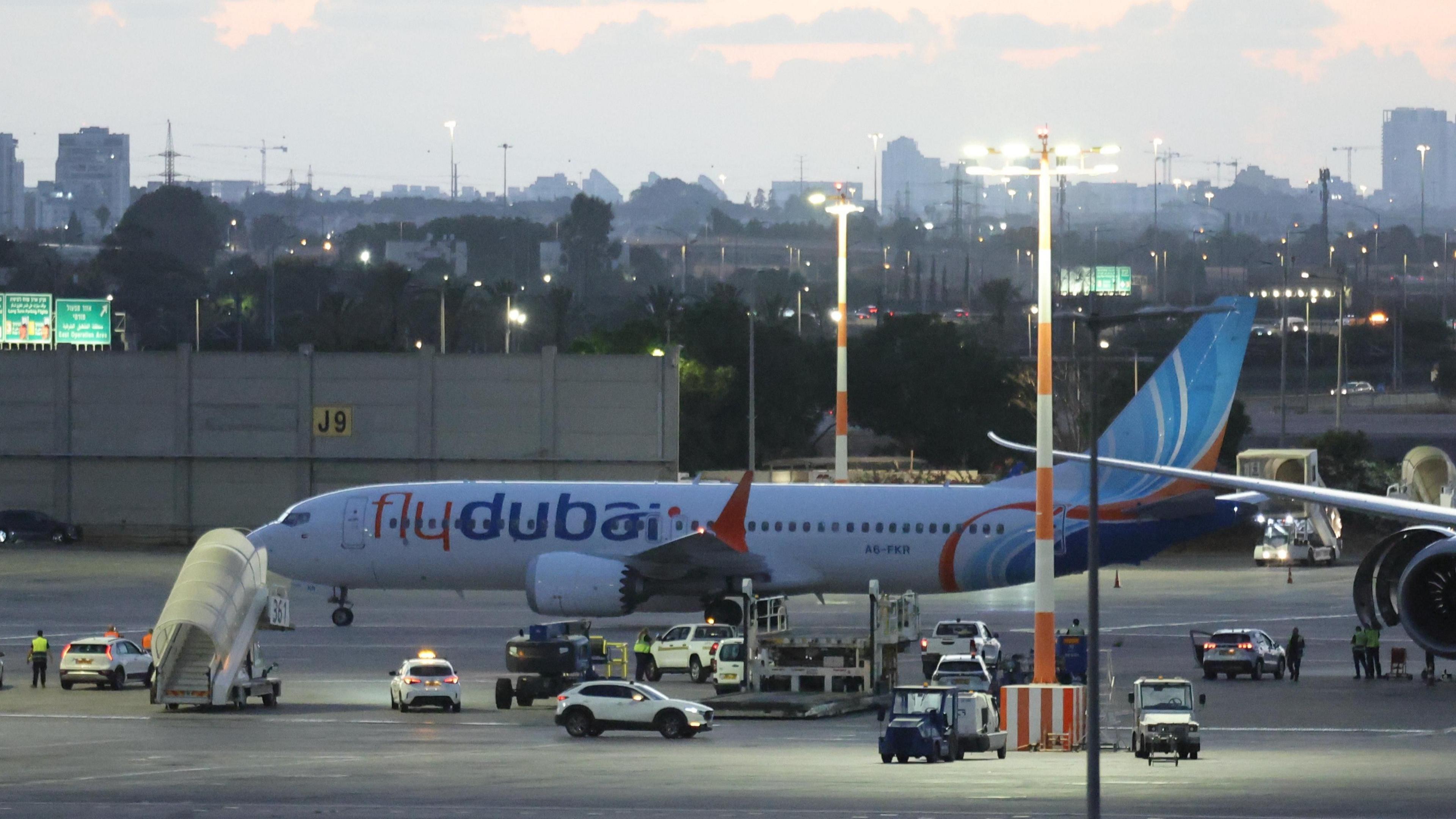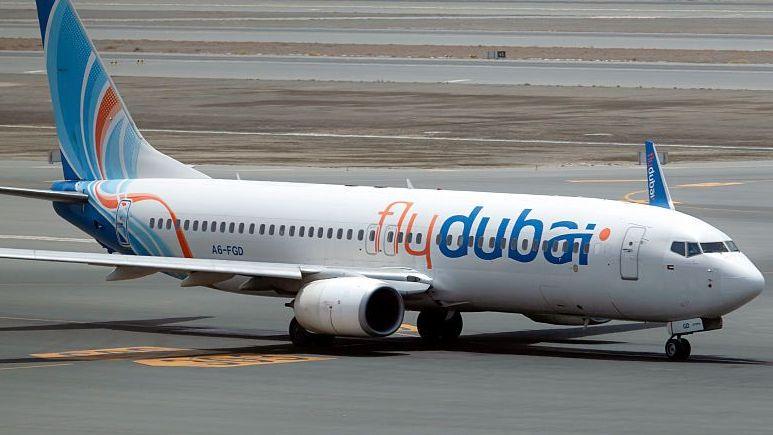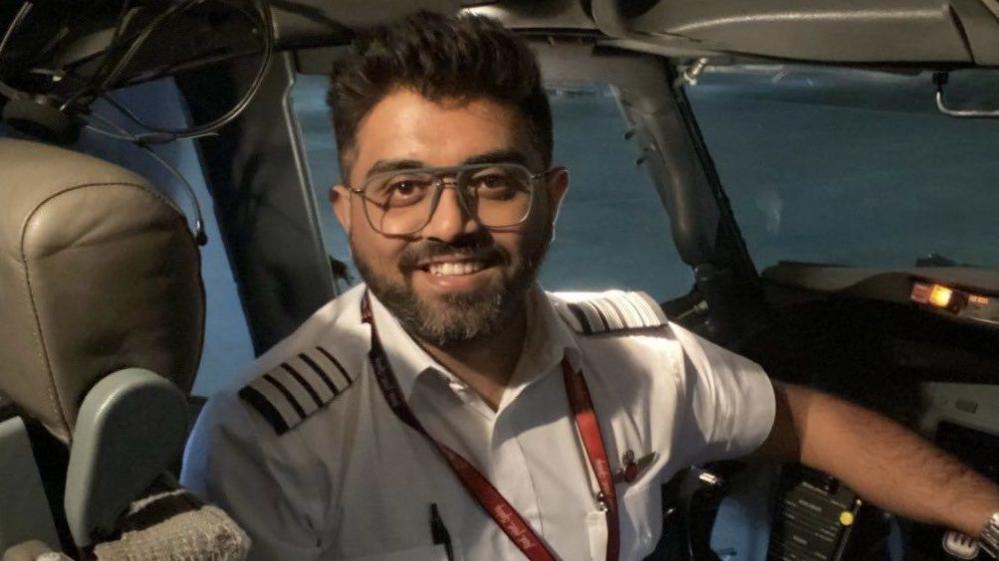

On 2 October 2026, a Flydubai jet en route from Dubai to Tel Aviv suffered a violent cabin‑covert incident that turned the airframe into a national flashpoint. An Indian commercial pilot, Captain Smit Machchhar, was severely wounded when his fellow pilot was stabbed amid a struggle that left the aircraft in a fatal climb.
Despite the grave injury, Captain Machchhar cracked the mid‑cockpit door, allowing a small group of passengers to put a restraint on the assailant before the aircraft plummeted to an altitude of 17,000 ft (≈5,200 m). The jet was eventually forced to land safely at Tabuk airport in Saudi Arabia with more than 170 passengers on board.
Israeli officials linked the attack to a possible extremist motive, saying the assailant—a presumed Omani national—had shown signs of “Islamist radical indoctrination.” In contrast, the United Arab Emirates announced an inquiry into whether the case involved terrorist activity, while Indian media critics reflected on the incident as evidence of broader security gaps in civil aviation.
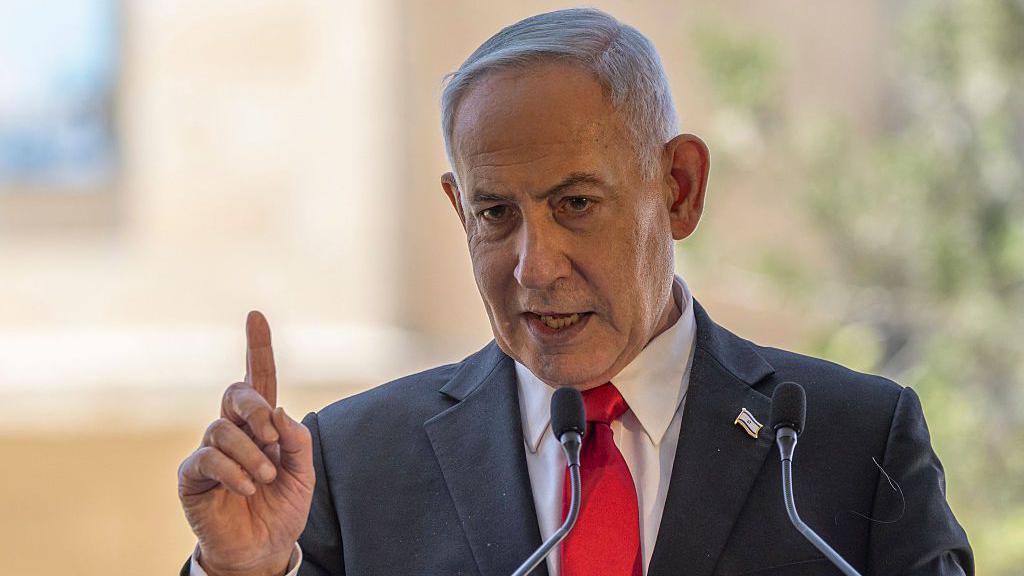
The Indian government has praised Captain Machchhar as a “hero,” and Prime Minister Narendra Modi commended his “courage, patience and quick decision‑making.” The event has spurred a wider debate on safeguarding international air travel against personal violence, the training of reserve pilots and the procedural balance between passenger sovereignty and crew authority.
From a geopolitical perspective, the facts of the incident intersect with tensions across the Gulf and the Israeli‑Palestinian conflict, raising questions about how national security policy can simultaneously address individual acts of violence and larger hostile aspirations. Meanwhile, the case illustrates how airline crews are increasingly called upon to act as emergency responders, a role that reshapes traditional safety protocols and raises legal, ethical, and policy challenges worldwide.