In brief
Iran’s foreign minister announced that the country is ready to lift its blockade of the Strait of Hormuz within seven days if the United States follows the conditions set out in a June memorandum of understanding. The U.S. has not yet responded officially, but officials report ongoing talks about the terms, which include nuclear‑inspector entry and sanctions relief. Recent air strikes have escalated tensions, and the U.S. and Israel have targeted Iranian sites while Iran has fired at its allies. The deal could bring stability to a corridor that transports about 20% of global oil. The U.S. political climate, with elections looming, may influence the speed and acceptance of the proposal.
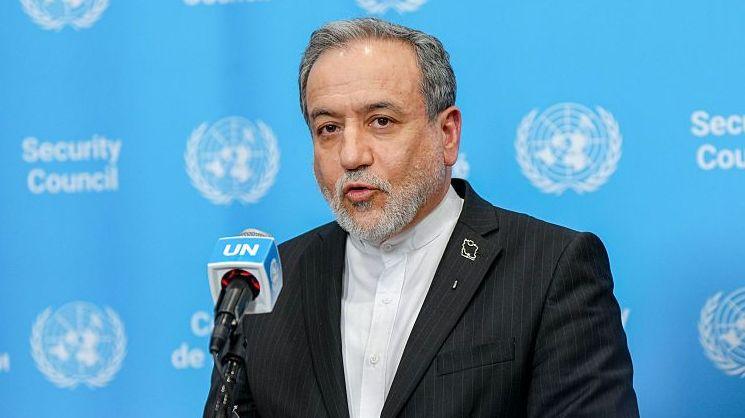
Iran’s foreign minister Abbas Araghchi told reporters at the United Nations that the country has a plan that would see the Strait of Hormuz open again in seven days, if the United States chooses to comply with the conditions laid out in a memorandum of understanding signed in June.
Araghchi said the choice rests with the United States after receiving the proposal through Qatar. He added that the actions required by America are already described in the memorandum and that no new steps are needed.
U.S. officials, according to a major newspaper, are holding positive discussions via mediators and mention nuclear‑inspection talks. No formal reply has been issued, but the timing aligns with an upcoming U.S. election cycle that could affect policy decisions.
The blockade of the Strait, opened in 1979 and closed in 2023 after air clashes with the United States, has caused dramatic rises in global oil prices, accounting for roughly 20% of worldwide cargo passage.
Iran has also said it will allow U.N. inspectors into its territory and will collaborate on safe maritime passage arrangements with Oman.
The lasting ceasefire was broken when Iranian drones and missiles struck U.S. and Israeli targets and the U.S. retaliated with strikes on Iranian sites and shipping lanes. The situation remains tense as Yemen’s Houthi group, allied with Iran, increased attacks on Saudi oil facilities.
If the United States accepts the June memorandum, the prospect of restoring normal trade routes and easing sanctions could reshape regional security while anchoring the U.S. response to ongoing hostilities.