Iranian Accord Ends Trump‑Led War, Exposing Limits of U.S. Power
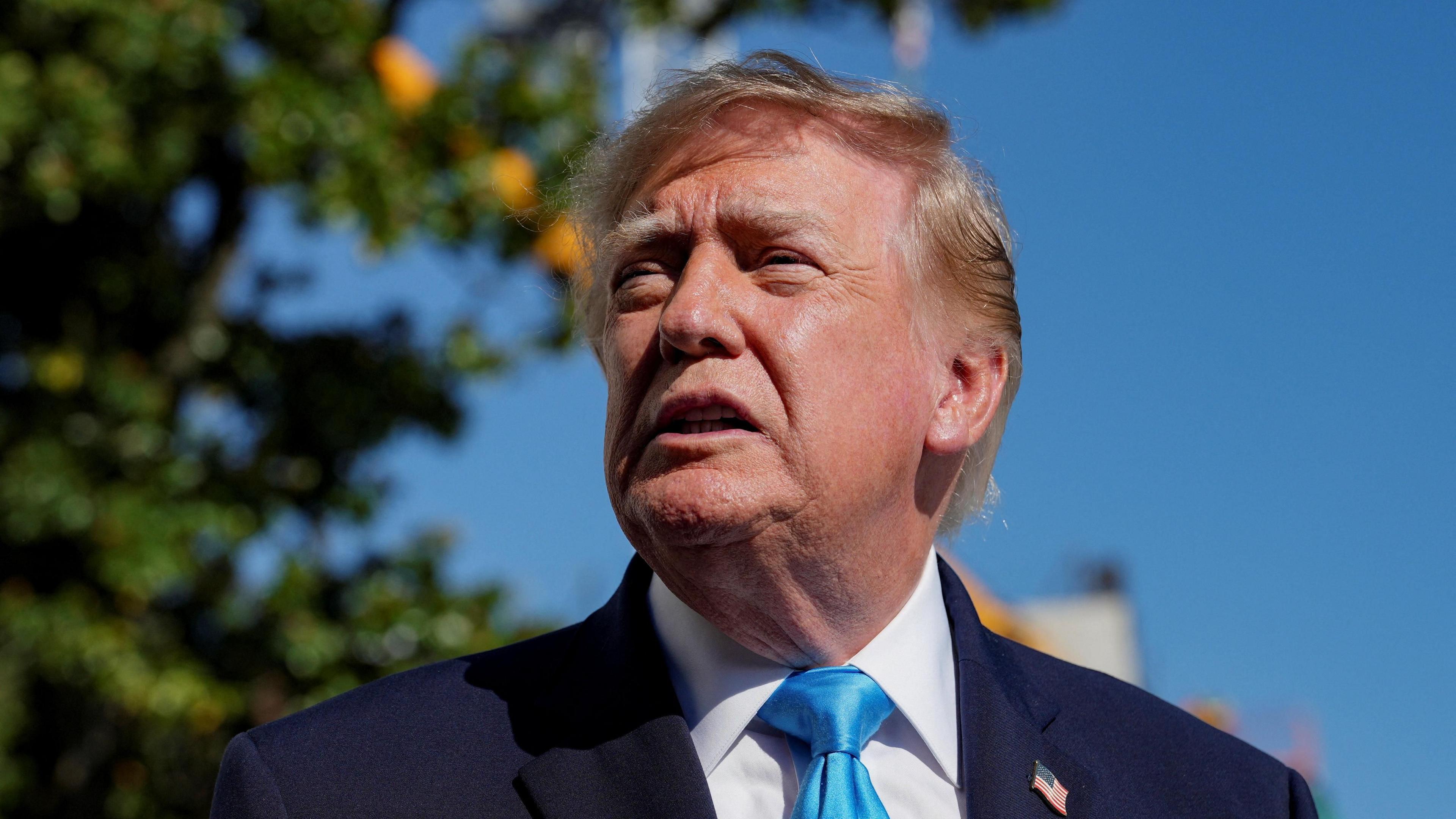
On 25 June, Washington and Tehran signed a memorandum of understanding that effectively ends the war begun by the United States and Israel on 28 February. The pact restores commercial traffic through the Strait of Hormuz, eases U.S. sanctions and projects an uneasy pause in the ongoing conflict in the region.
The strike that marked the start of the war – a surprise attack on Iran’s Supreme Leader and a bombing of a school in Minab – was premised on the belief that Iran’s regime threatened to collapse. The reality that the regime survived, endured and emerged more determined may illustrate a misjudgment at the heart of the Trump administration’s foreign policy.
Amid the unfolding crisis, Gulf Arab monarchies that had long relied on a U.S.‑led security umbrella found their alliance under strain. The abrupt turn toward an alternative partnership with China and other global actors highlighted the limits of U.S. influence in a rapidly diversifying Middle East.
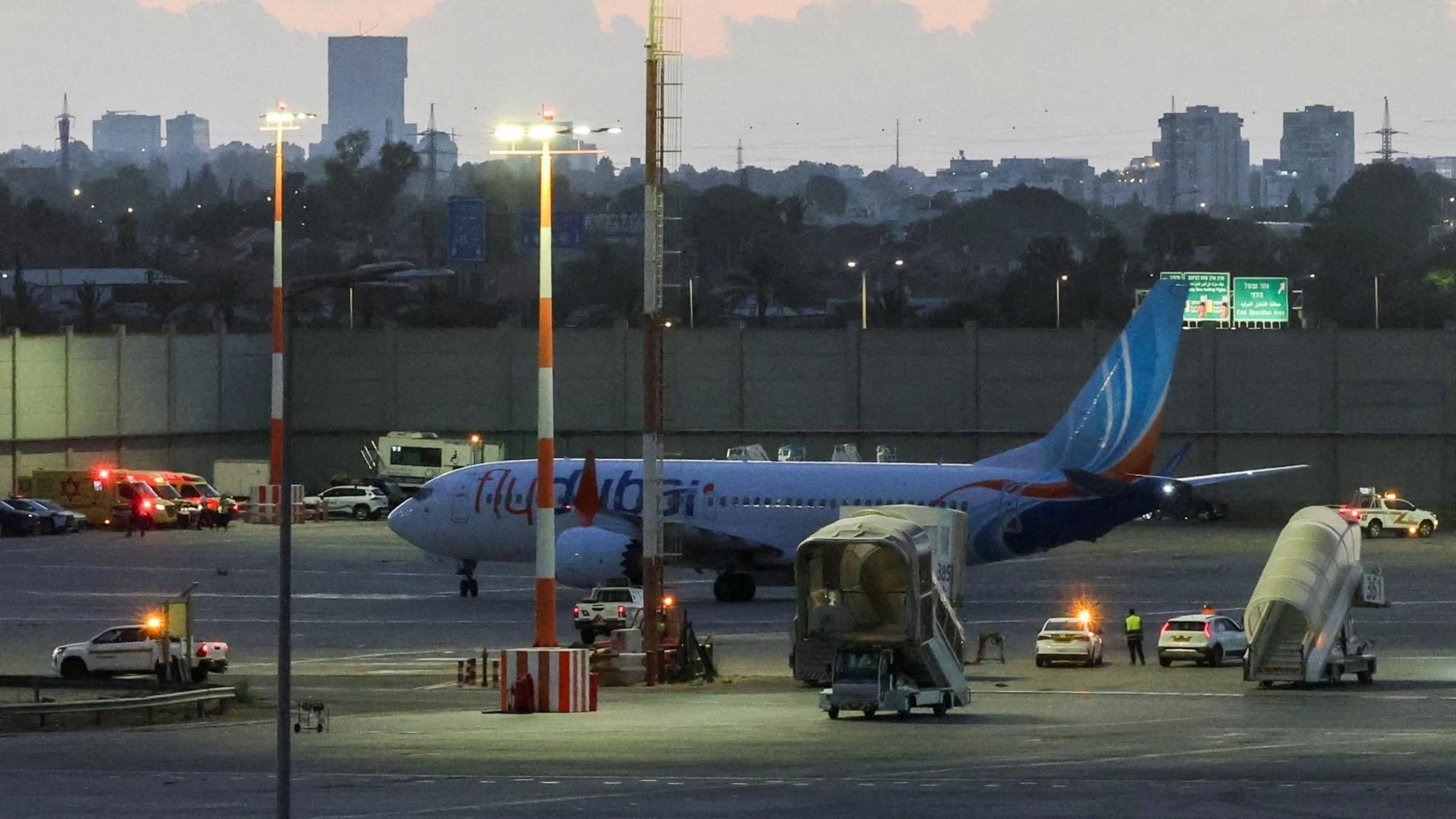
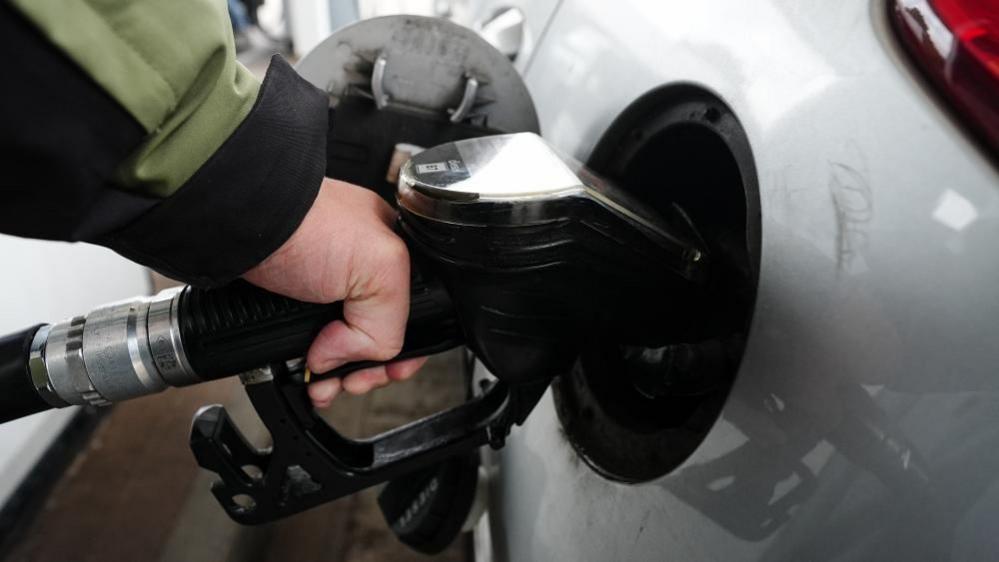
Reopening the Strait of Hormuz – a critical conduit for around 20 percent of the world’s oil and natural‑gas exports – is perhaps the most visible benefit of the deal. A steady flow of energy supplies is expected to lessen pressure on global markets, especially for countries that depend on fertilizers derived from oil‑based chemicals.
However, the memorandum intentionally defers the hard‑core issues for later negotiations. Iran’s nuclear ambitions, the scope of sanctions relief and the future of a widespread ceasefire remain on the table. Only a comprehensive agreement – signed at a later date – could set the tone for a lasting peace in the region.
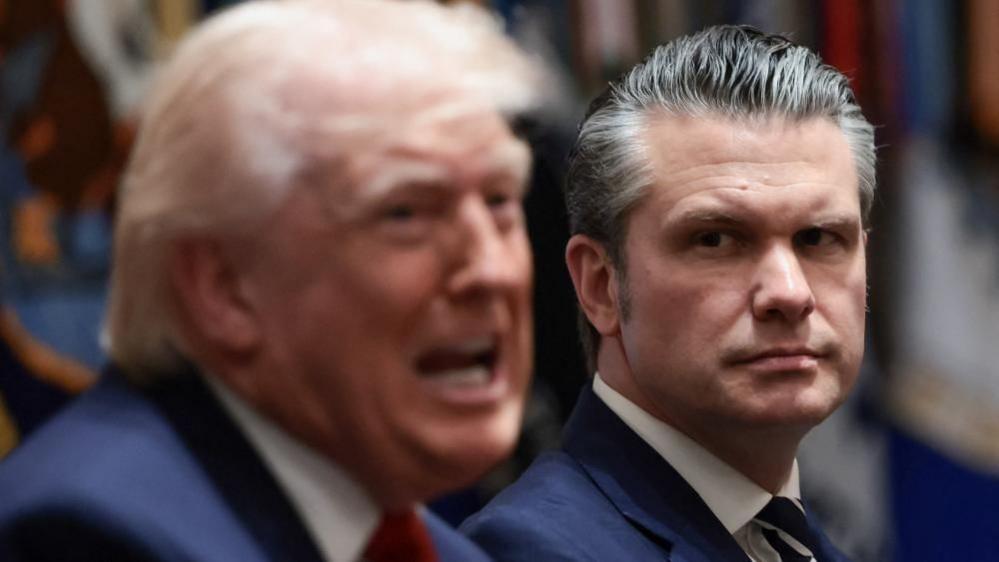
Israel’s position remains complex. While the war was a joint effort with the U.S., the latter’s new agreement has excluded Israel from direct participation in the peace talks, a move that has raised questions about future cooperation between the two allies.
China’s monitoring of the situation has been strategic, as the country seeks to fill the void left by American uncertainty in the Middle East. The current accord may bolster China’s ability to secure energy routes and strengthen ties with regional states.
The accord is an episode of recalibration for U.S. influence at a moment when global alliances are shifting. The international community will watch to see whether a broader, more inclusive framework can emerge to replace the limited truce in place today.