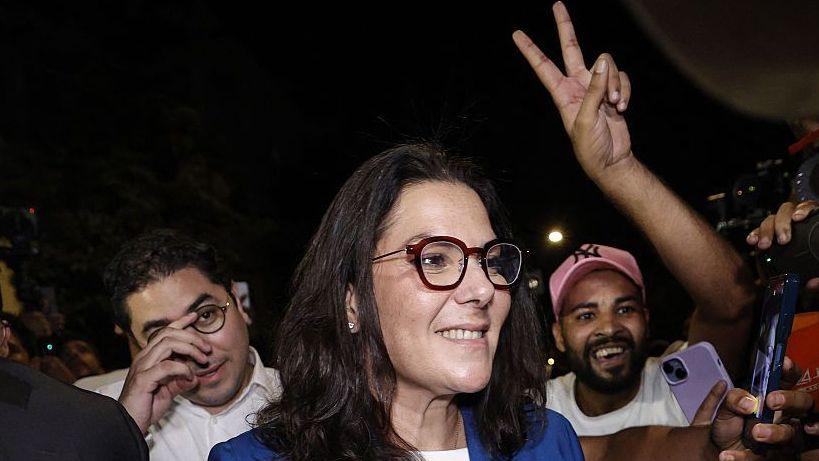
Shoko Kawata, the 36‑year‑old mayor of Yawata City in Kyoto Prefecture, became a global symbol of evolving gender roles when she announced her first maternity leave and was subsequently named one of TIME magazine’s NEXT 100 Rising Stars. The honor follows her historic maternity leave, which she took after giving birth to a daughter on 15 September, a move that sparked a nationwide debate on the place of women in elected office.
Japan’s low birth rate and aging population have kept fertility policy in the public eye. In this context, Kawata’s choice to step back from day‑to‑day duties for 16 weeks drew polarized reactions. Some on social media applauded her courage, arguing that city officials should be allowed to balance family and public responsibilities. Others labelled her decision as "irresponsible," insisting that a public servant who wanted to have children should have planned ahead and that extended leave should entail a pay cut or resignation.
During a sit‑down interview with the BBC prior to her birth, Kawata dismissed the backlash, stating that criticism of women who take maternity leave effectively excludes the vast majority of women in their 20s to 40s from public office. She explained that she had worked with her administration to design a leave strategy, temporarily delegating responsibility to her deputy mayor, Shigeto Nose, and continuing to work remotely when possible.
In a statement released on 15 September, Kawata thanked supporters on X and reiterated her commitment to social issues across the country. She said she would bring her firsthand parental experience into policymaking, striving to address the challenges faced by parents “in real time.”
The debate over Kawata’s maternity leave captures a broader tension in Japan between tradition and progress, especially concerning women’s representation in politics. Her recognition by TIME underscores how individual political actions can resonate across social and cultural lines, galvanizing discussions about gender equity, work‑life balance, and the evolution of public office, while inviting scrutiny over the adequacy of existing legal frameworks for elected officials.