In brief
Taiz lies at the heart of Yemen’s drawn‑out civil war, where Saudi‑backed government forces and Houthi rebels clash in a landscape of mountains, mud‑filled streets and abandoned homes. Journalists and soldiers report a pattern of low‑altitude drone flights followed by sudden mortar bombardment, leaving civilians behind their cattle and children in displacement camps. The city’s population of nearly a million is threatened by the loss of food, shelter and medical care as the frontline shifts daily across its hills and suburbs.
Taiz, Yemen’s third‑largest city, is held by government troops while Houthi fighters encircle the northern and eastern outskirts. In the western hills, the front line follows a winding road that merges with the mountain range, a place where civilian life is now a fragile by‑product of conflict.
"This is the first drone," said a soldier who kept the BBC team under cover in a bush as the unmanned aircraft glided above the valley. The buzz grew loud, then rang out with a series of thuds, the marks of mortar shells that land in the shadows of the hills. On the ground, the only sounds that survive the drone’s roar are the bleats of goats and the crack of distant gunfire.
When the reporters travelled with government forces from Taiz towards the unattended stretch of road where control changes hands, the abandoned homes on the slopes stood like silent witnesses to the war. Families fled here months ago; the mud‑filled houses now lie empty and forlorn.
Near the front, a man named Ali remains on his property, surrounded by a herd of goats. "Two mortars landed on my property," he told the BBC, seated outside the ruins of his house about 1.6 kilometres from the line. He continued to care for his animals while his children were sent to a displacement camp in Mokha.
The intensity of the fighting intensified after Houthis seized Mokha, a key port on the Red Sea, in early September. Their advances are supported by a sophisticated drone and missile campaign, which has triggered shrapnel from a mortar to land near Ali’s home. The soldiers defending the city admit they have to shoot over wounded bodies that have fallen in the no‑man’s land—an ever‑present reminder of the war’s brutality.
Within hours of the first video clip, a 12‑year‑old girl, Ghana Nabeel, was taken to the intensive‑care unit of al‑Thawra hospital after a mortar hit the village and shrapnel struck her head. A doctor warned that the injuries had damaged her brain, likely changing her life permanently. Her family sat by her bedside, anxious about an uncertain future.
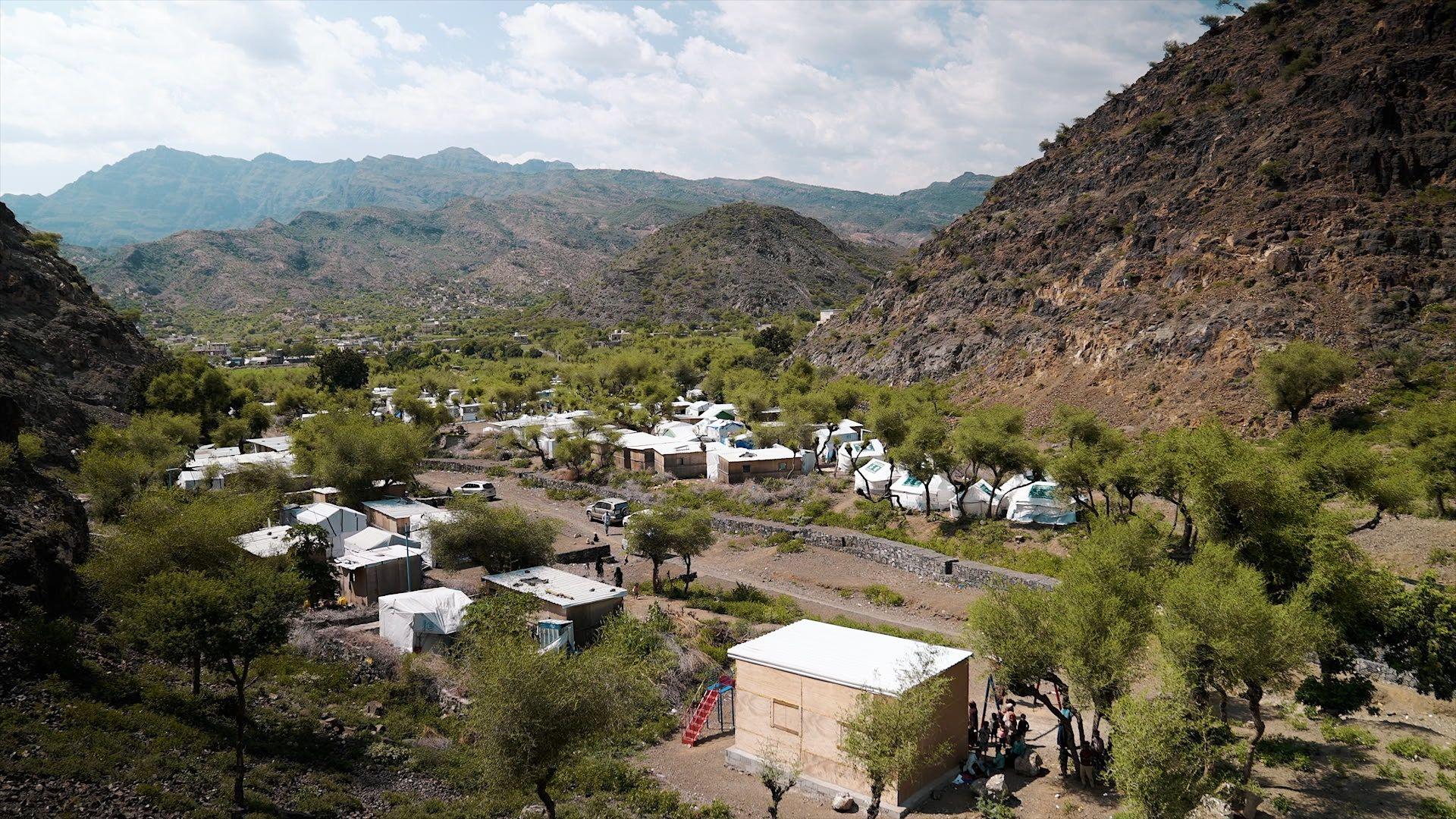
Close to the city, the al‑Monig displacement camp hosts families who fled Mokha and other villages. Local sources reported that 200 families arrived in the last ten days. One resident, Fatma Mohammed Saleh, described crawling on her hands and knees for two days, with mortar fire and bullets ringing overhead. A motorbike rider spoted her and took her to the camp, where she is now shelter‑less and separated from her family.
As the conflict rages, the UN reports that more than 130,000 people have been displaced this month, with a potential 100,000 more at risk in the coming weeks. The war’s impact endangers not only soldiers but civilians who run for safety with their livestock, their scant belongings, and an unthinkable future behind an invisible line of fire.
For further reading, see Who are the Houthis and what do they want?