Background
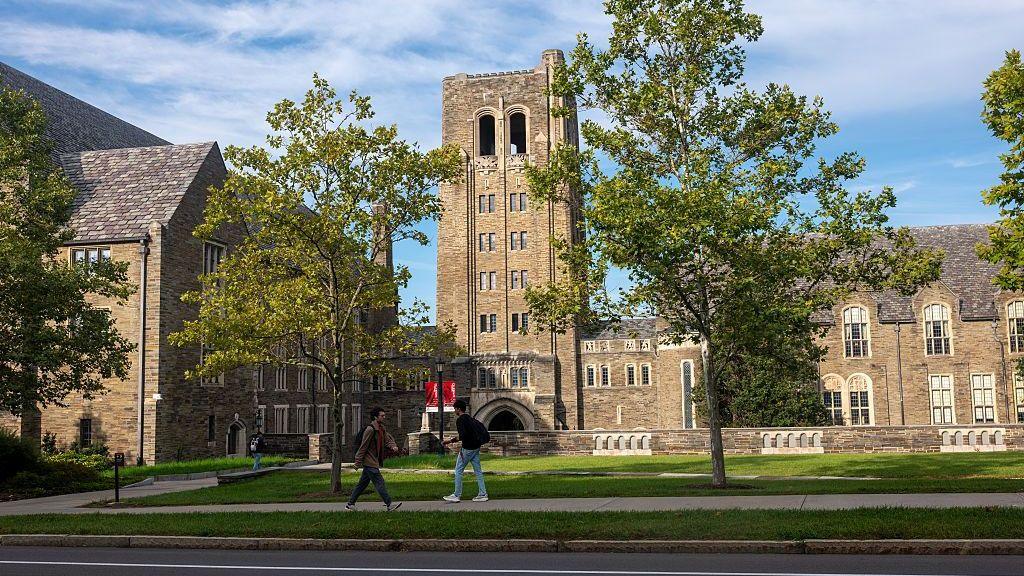
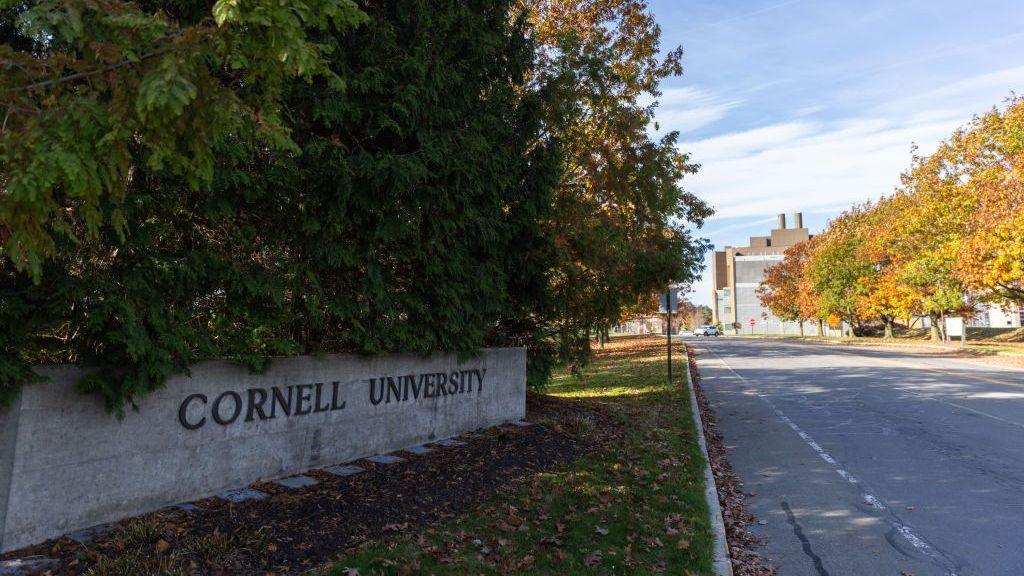
The alleged gang rape took place at a fraternity house at Cornell University in June 2024. The victim, known in court documents as Jane Doe, claimed she was drugged and assaulted by seven men.
Initial investigations were handled by Tompkins County District Attorney Matthew Van Houten, who stated that early evidence appeared to suggest consensual activity. Importantly, the DA’s office had not been provided with the full body of evidence available from the university’s internal review.
Legal Developments
In September 2026 the accuser filed a civil lawsuit against Cornell University, drawing national attention to the case. Within weeks, the Byr's office announced it was re‑examining the matter.
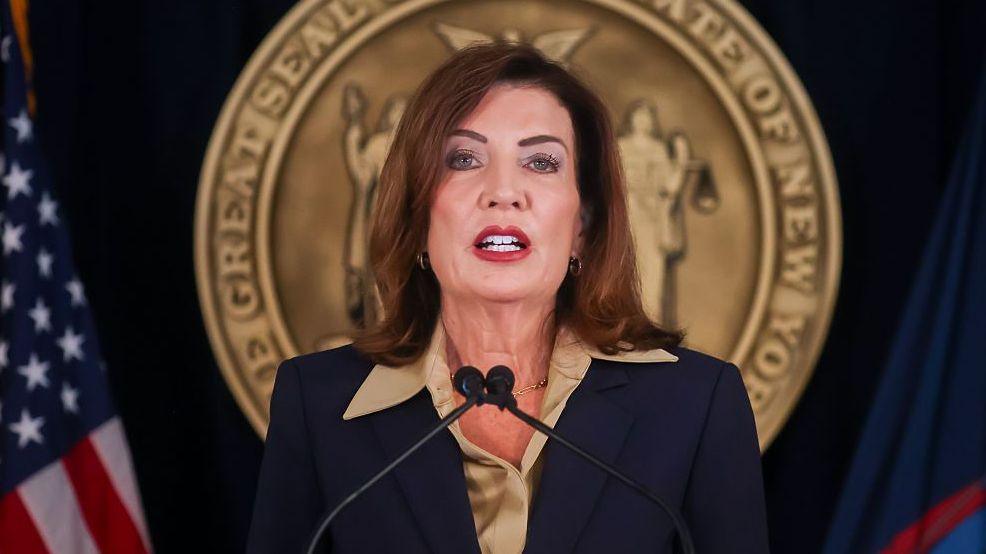
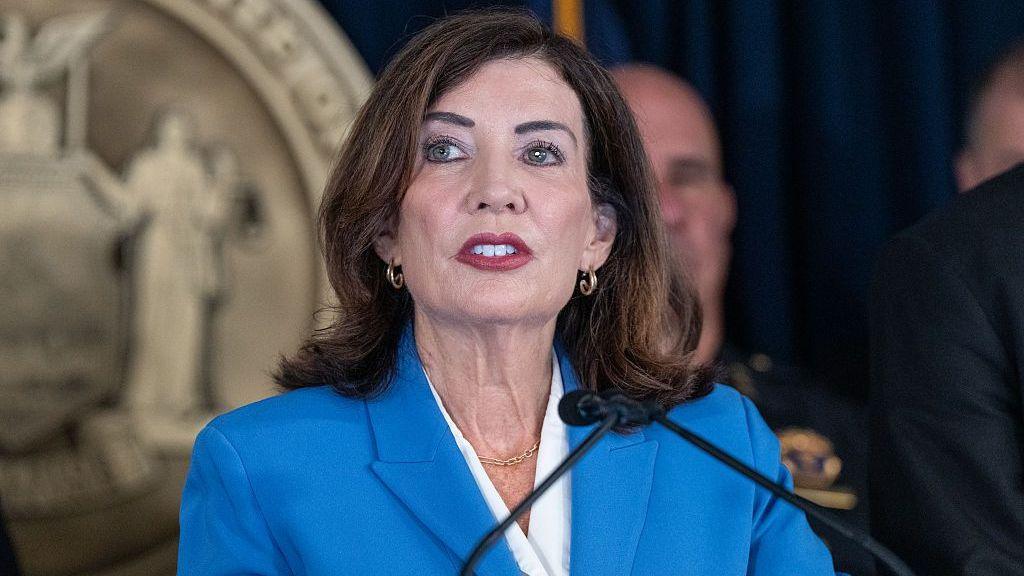
On 2 October 2026, Governor Kathy Hochul declared that the state attorney general would act as a special prosecutor for the case. This decision effectively removed Van Houten from overseeing the investigation.
"New information has raised serious questions about how this case was handled, and I’ve lost faith in the Tompkins County DA’s ability to fairly oversee it," Hochul said in a statement.
Attorney General James noted on X that she was ready "to lead a process guided by the facts and the law" and that the investigation could lead to criminal charges if warranted. The investigation will potentially culminate in a grand‑jury presentation.
Responses
Van Houten defended his earlier decision not to file charges, alleging insufficient evidence. He also claimed that new information had not been forwarded to his office until the civil suit prompted a review.
Doe’s attorney Thomas Giuffra criticized the DA’s office for repeatedly altering its narrative as the case unfolded.
Both the governor and the attorney general are scheduled to release an update on the investigation on Friday morning local time.
Implications
The appointment signals a shift in how New York authorities are handling high‑profile sexual violence cases in educational institutions. It also raises questions about the tempo of legal proceedings that intersect with civil litigation and the oversight responsibilities of district attorneys when new evidence emerges.