Oktoberfest Operator Gives Free Cycling Shorts to Protect Women From Upskirting
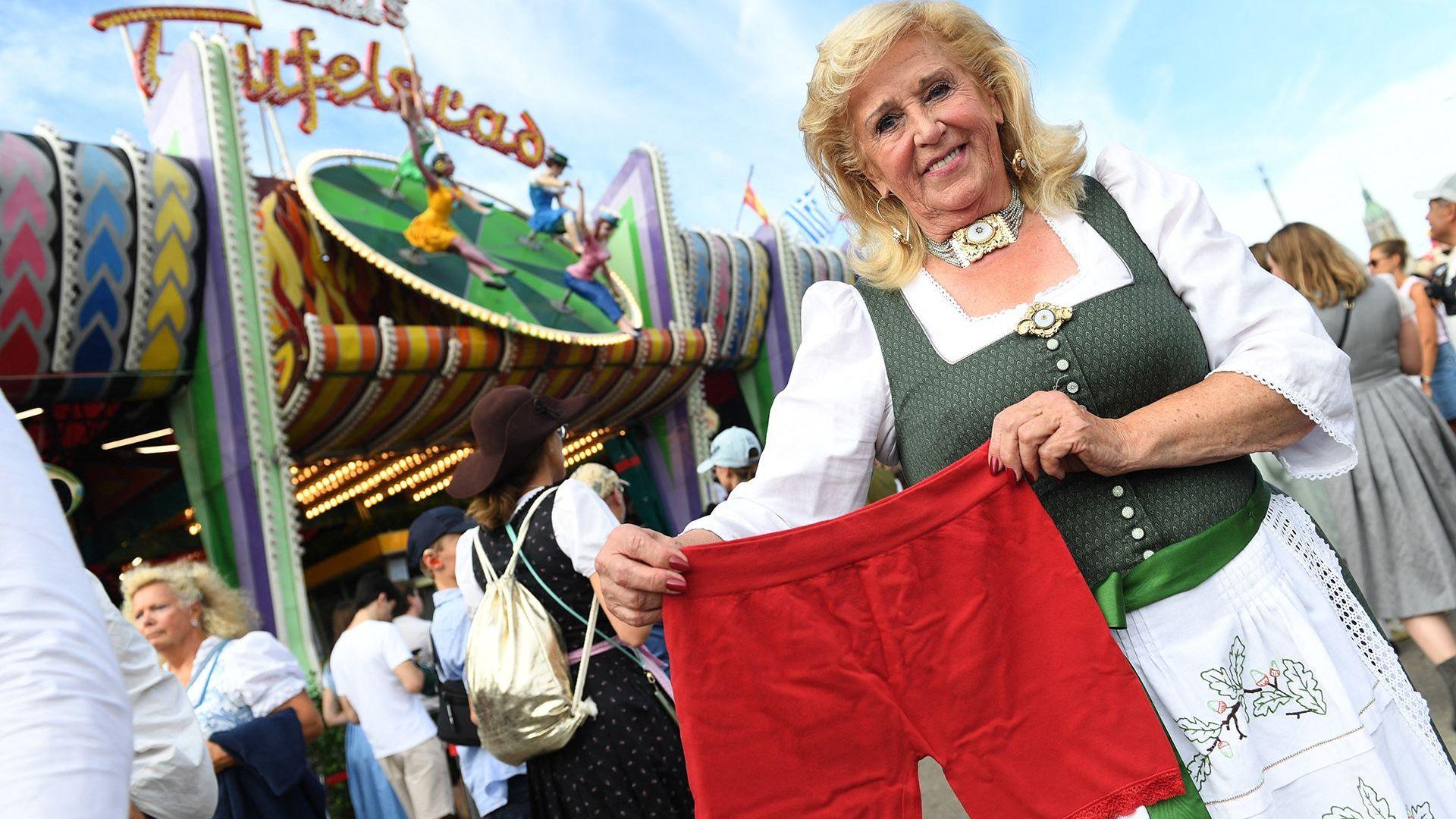
During the 190th Oktoberfest in Munich, the operator of the iconic Teufelsrad amusement ride has begun handing out cycling shorts to women who ride in traditional dirndl dresses, a move designed to deter the trend of upskirting that has exploded on social media.

The viral videos – some of which earned lucrative pay‑offs for an online creator – were highlighted as a serious threat to personal privacy. German law punishes deliberate filming beneath a skirt with up to two years in prison, but critics argue it does not cover incidents where a skirt involuntarily lifts and is captured by a phone camera.
Elisabeth Polaczy, who runs the Teufelsrad, told the BBC that over the past three years she has distributed more than a hundred pairs of cycling shorts. “I want to do everything I can to make people feel secure,” she said, noting the cost of the programme has been high but worthwhile for the peace of mind it provides.

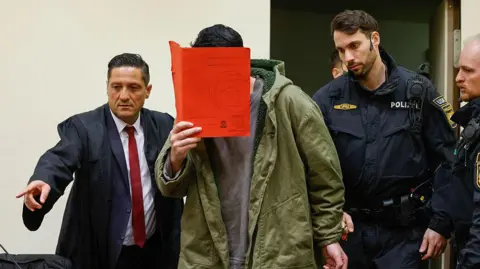
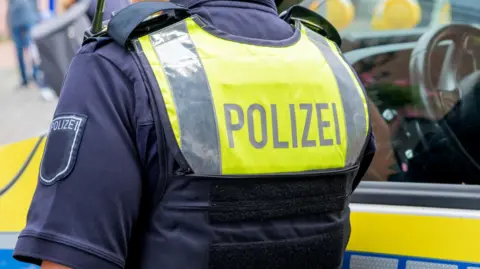
Police in Munich have tackled the problem with a multi‑layered approach: a poster campaign warning against upskirting, a record of arrests—including a Swiss man for filming a German woman’s dirndl—and a new permit system that costs hosts for live‑streaming or filming at the festival.
Advocacy groups such as Hate Aid remain skeptical that protection measures alone are enough. She argued that current legislation applies “only when you film under the skirt” and does not cover accidental lifts, and that the growing use of camera glasses could make it harder to enforce the law.
While the short distribution initiative marks a practical attempt to safeguard women, it also underscores an ongoing struggle to balance cultural traditions, online expression, and the rights of individuals in crowded public events.