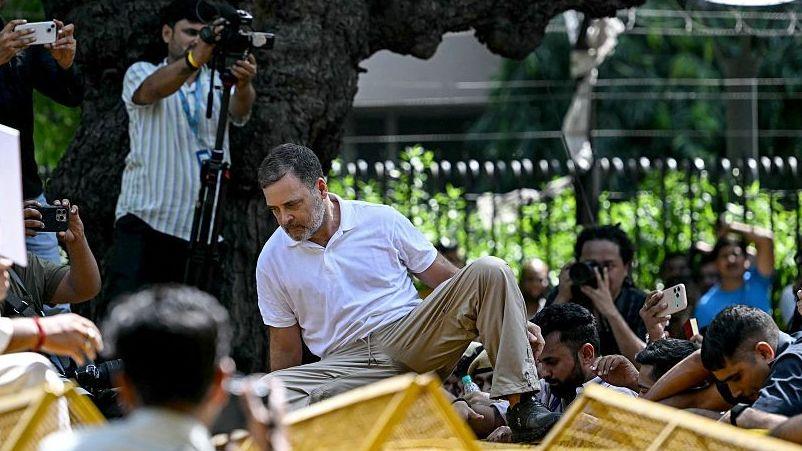
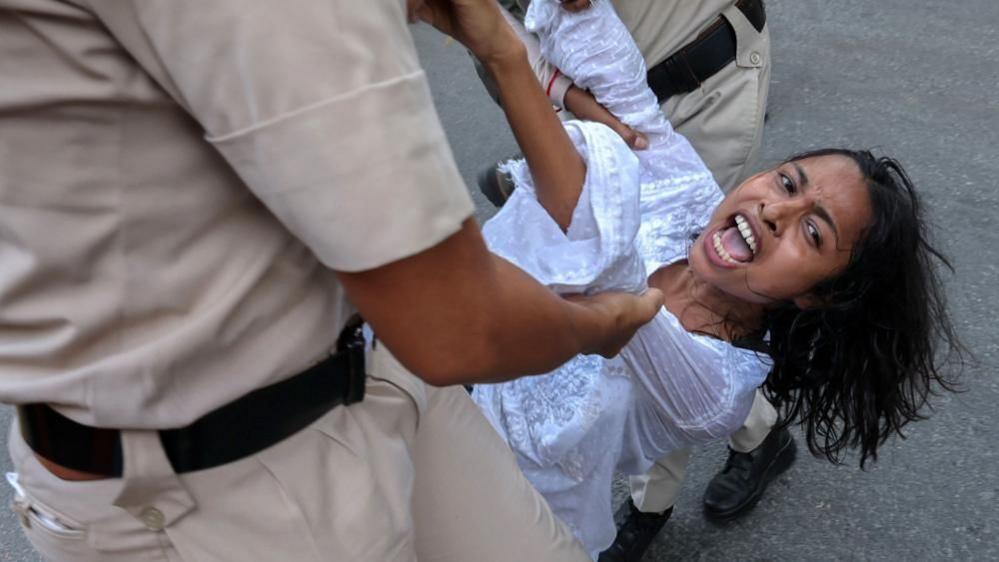
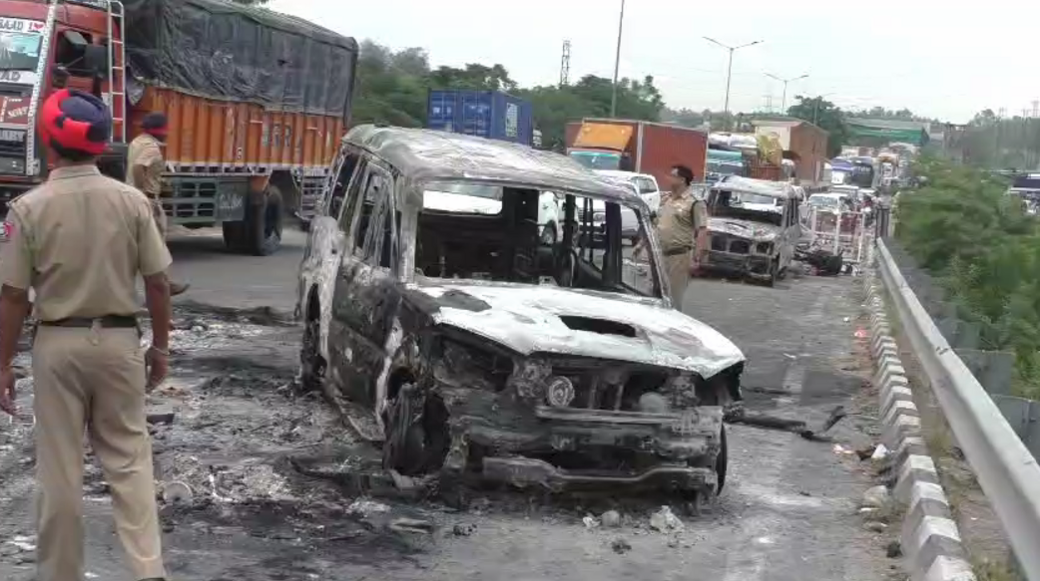
On Saturday, three female journalists in Delhi stood on the front lines of a protest that grew fierce against the Election Commission’s proposed overhaul of voter rolls. They alleged that police officers had touched them inappropriately and dragged one of them by her hair while trying to disperse a crowd that demanded the resignation of Chief Election Commissioner Gyanesh Kumar.
The protest, which had been ongoing for three days, saw thousands of demonstrators—many students and supporters of the satirical Cockroach Janta Party—congregate at Jantar Mantar in central Delhi and in Mumbai. They accuse the so‑called Special Intensive Revision of the electoral lists of benefiting the ruling Bharatiya Janata Party and say the changes were rushed to the detriment of voters’ rights.
Delhi Police issued an official statement that the complaints were received by the New Delhi District office and that the matter would be transferred to the crime branch for a “fair and impartial” investigation. The police maintained that the actions were part of routine crowd‑control procedures, though the journalists and observers noted the gendered nature of the alleged incidents.
Opposition leader Rahul Gandhi called the police’s conduct “a grave concern for women’s safety” and urged the Home Ministry to answer for the alleged misconduct. A former student and activist, Aahna Singh of Jawaharlal Nehru University, told Reuters that the police “dragged me by my hair” and used “brutality” that had caused many protesters to flee the scene.
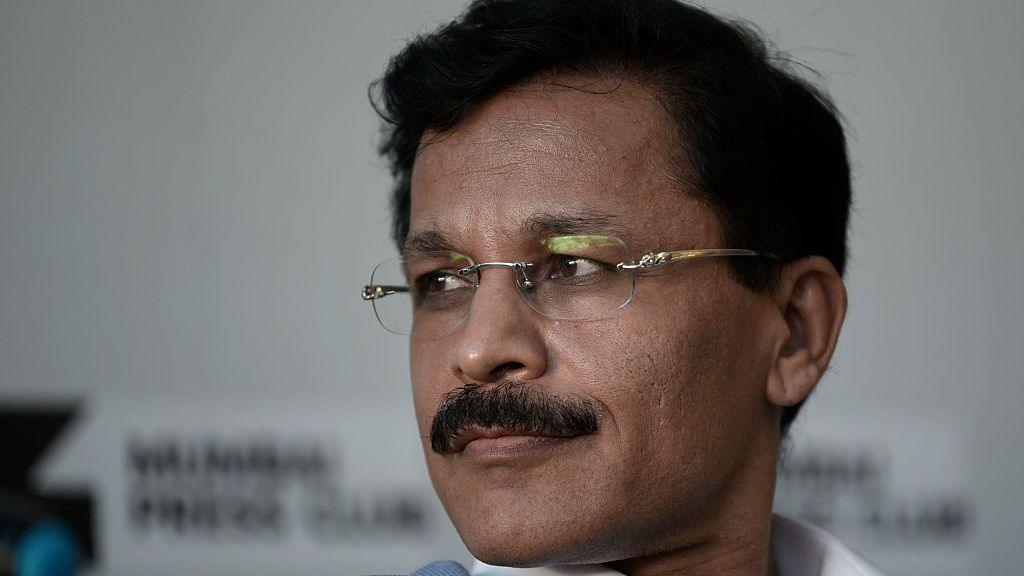
The Election Commission explained that the revisions aimed to remove duplicate and ineligible entries, and that the commission had struck off 130 million names from the voter list since the process began. However, critics highlighted internal disputes within the commission, noting that Deputy Election Commissioners Sukhbir Singh Sandhu and Vivek Joshi had made at least 14 formal objections against the Commission’s decisions—claims the Commission said were part of normal decision‑making dynamics.
The clash between police conduct, electoral reform, and activists’ demands underscores the broader tensions in India’s democratic institutions. With the protest continuing and the police inquiry underway, the national conversation is split between calls for reforms, demands for police accountability, and debates over the political implications of the revised voter rolls.