Putin’s Rhetoric Sparks NATO Alerts While Russia Emphasises Avoiding Direct Conflict
Russian President Vladimir Putin has recently issued strongly worded statements targeting NATO allies, particularly the United Kingdom, yet officials from the West insist that Moscow’s public posture is one of deterrence rather than a move toward full‑scale war with the Euro‑Atlantic Alliance.
According to “anonymous” Western advisers, the CIA’s chief, John Radcliffe, made an unannounced visit to Moscow this week. The briefing was said to warn Russian leadership against any action that could provoke a NATO response. While the details remain confidential, it suggests that Washington is actively monitoring Moscow’s discourse for signifiers of escalation.
Russian diplomatic spokespeople have dismissed Western concerns as hysteria, claiming that Putin’s assurances—first given before the 2022 invasion—remain intact. The Kremlin continues to release statements that the Soviet Union would not engage in direct attacks on NATO security, though intelligence reports argue that preparations have been underway for months.
Senior Western officials have cautioned that Russia’s sharp language may reflect domestic pressures: sluggish territorial gains in the eastern Donbas, intense losses of military personnel (some estimates reach six thousand weekly casualties), and mounting fuel shortages that are lowering public support for the conflict. Despite these domestic strains, the Kremlin’s “military doctrine” appears to be steering toward applying pressure through “hybrid” operations, including cyber‑attacks, sabotage, and potential assassination attempts, rather than open warfare.
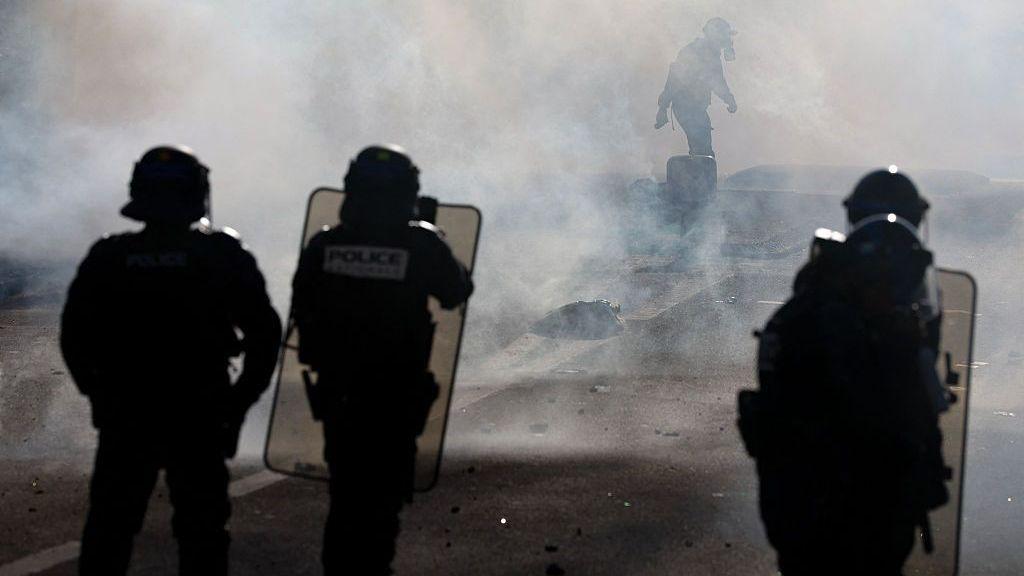
This hybrid strategy is already evidenced in a series of drone incidents across several NATO countries. A recent drone carrying explosives landed on a runway at Leipzig–Halle Airport in Germany, a critical logistics hub for Ukrainian military aid. While the incident has no definitive link to Russia, authorities suspect similar motives. French security services have warned that the country should prepare for “more violent hostile actions” on its soil.
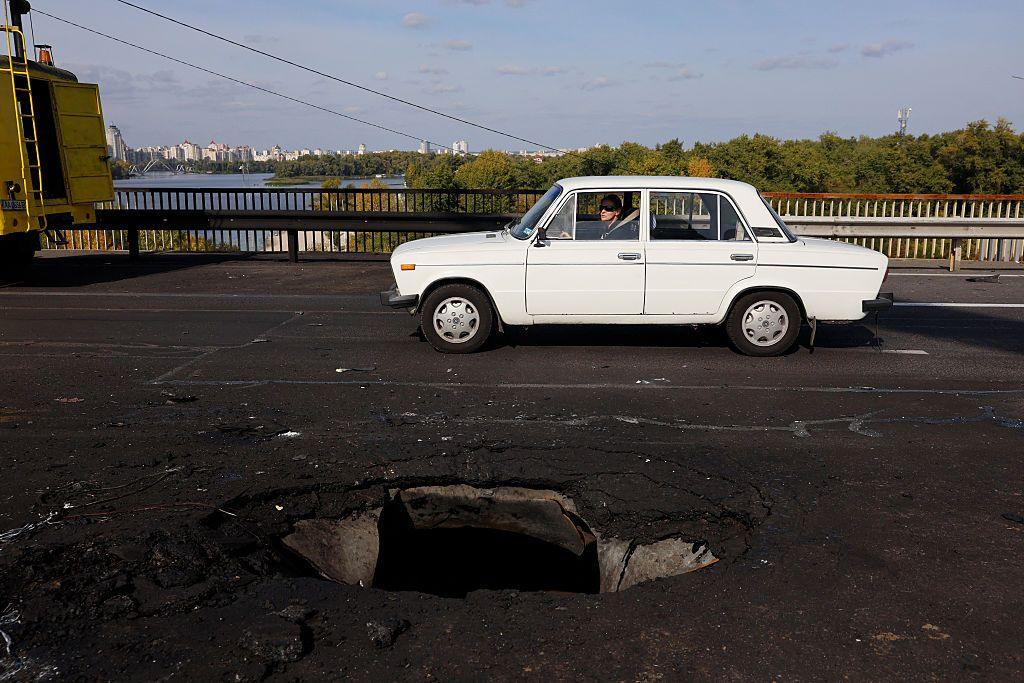
Western leaders and NATO members are advised to stay alert but avoid complacency. The UK government, for instance, has made clear that it will continue to provide military support to Ukraine regardless of heightened Russian threats. The ongoing war, which intensified this year with new long‑range strikes, remains a point of contention between Moscow and Kyiv.
Analysis from observers suggests that while Putin’s war aims stay unchanged, public perception of the conflict is shifting. Reports indicate that the war’s difficulties may erode the Russian leadership’s strategic authority without yet provoking a decisive mobilization. Consequently, the Kremlin may rely on continued hybrid tactics to sustain pressure on NATO without crossing the threshold into direct military confrontation.