In brief
Nir Oz, a 400‑person kibbutz torn to ashes on 7 October, lies in ruins with only reinforced concrete safe rooms left. Survivors, led by Dalit Ram Aharon and her husband, dream of returning but face a two‑year wait for full reopening. The community is divided over whether to demolish damaged houses to avoid constant reminders of trauma or preserve them as evidence of the attack. A rebuilding programme led by director Emi Palmor seeks a balance between remembrance and healing. The story reflects broader questions about security, accountability and the path to recovery in Israel’s post‑war landscape.
The echo of roosting birds across the cracked dining room of Kibbutz Nir Oz is a stark reminder of the life that once pulsed through the village when the recent attacks of 7 October shattered it.
\Dalit Ram Aharon, an in‑house survivor, describes the place now as a void: “We used to gather in this hall, celebrate holidays, and share meals. Now it is silent, except for the silence of those we lost.” Her words hang heavy over the bullet‑scarred glas doors that still stand for the missing residents.
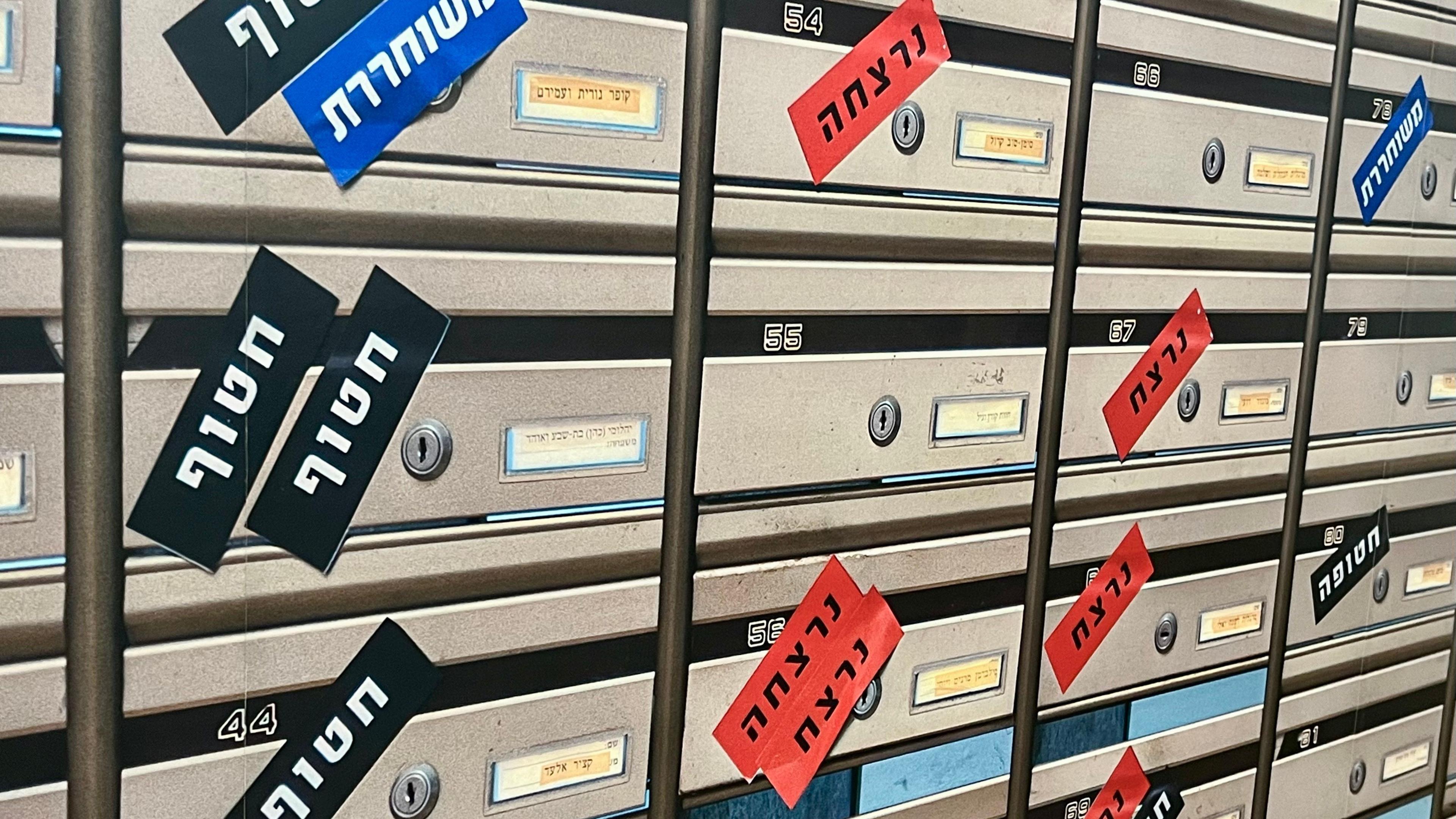
\Stickers on each household postbox—red for those killed, black for those taken hostage—serve as a lived memorial. One in four families were either murdered or abducted, Dalit says, a figure that stands in stark contrast to the kibbutz’s former population of around 400.
\The community on the frontline faced an assault by an estimated 6,000 Palestinians who breached the Gaza border, a blow that resulted in 41 deaths and the kidnapping of 76 people, including nine bodies. The recent anniversary has seen the largest loss in civilians, with the death toll in Gaza topping 74,200 in the continued conflict.
\Two years on, the kibbutz has seen only twenty houses rebuilt, while the majority of the original structures have been razed. Residents like Dalit and her family remain in temporary housing 120 km away as construction languishes under a two‑year timeline dictated by rebuilding authorities.
\Emi Palmor, director of the Reconstruction and Rehabilitation Project, stresses that the rebuilding plan must “respect those who died and also allow new generations to grow without the weight of the past.” She describes the dilemma: “Do we preserve the ruins as evidence, or do we move forward, letting the memory fade from the everyday view?”
\Some survivors insist on leaving the damaged houses intact. An argument is made that removal could erase tangible proof of the assault, while others fear that continuous reminders could hinder emotional recovery.
\Beyond the physical damage, mental trauma remains a pervasive issue. The community is part of a larger national debate over accountability for the security failure that allowed the 7 October attack, with many calling for a comprehensive state commission of inquiry.
\Dalit’s vision for the future is two‑fold: she hopes to return to a climate of safety, to honour those who never left, and to maintain a cultural lineage for her children that grounded them in a place they once called home.
\Overarching themes of the story include collective trauma, the intersection of memory and reconstruction, and the politics of remembrance versus healing. In a region still scarred by conflict, the kibbutz’s journey embodies the challenges faced by communities worldwide that rebuild after violence.
\\