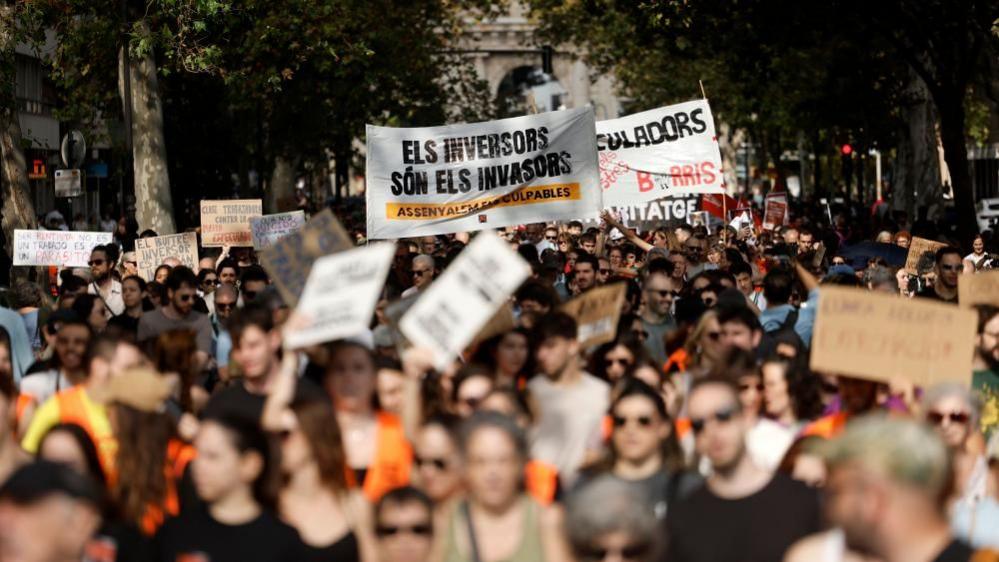
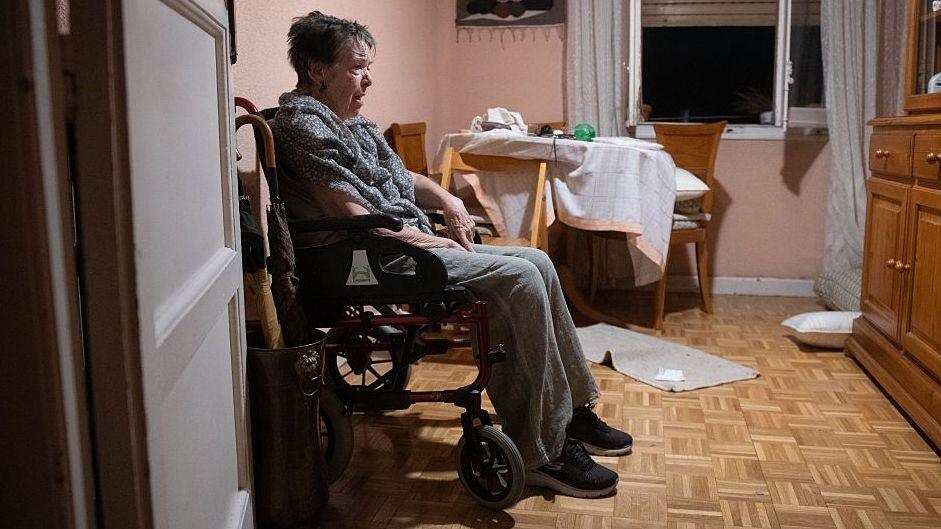
Spain’s largest cities have become flashpoints for a series of rent‑increase protests that have steadily escalated into full‑blown demonstrations across the country. The protests were sparked by the evictions of elderly tenants, most notably 87‑year‑old Maricarmen Abascal, whose final rent hike she could not afford. Her case, widely reported across Spanish media, quickly became a symbol of broader housing inequities and rent affordability problems that affect thousands of Spaniards.
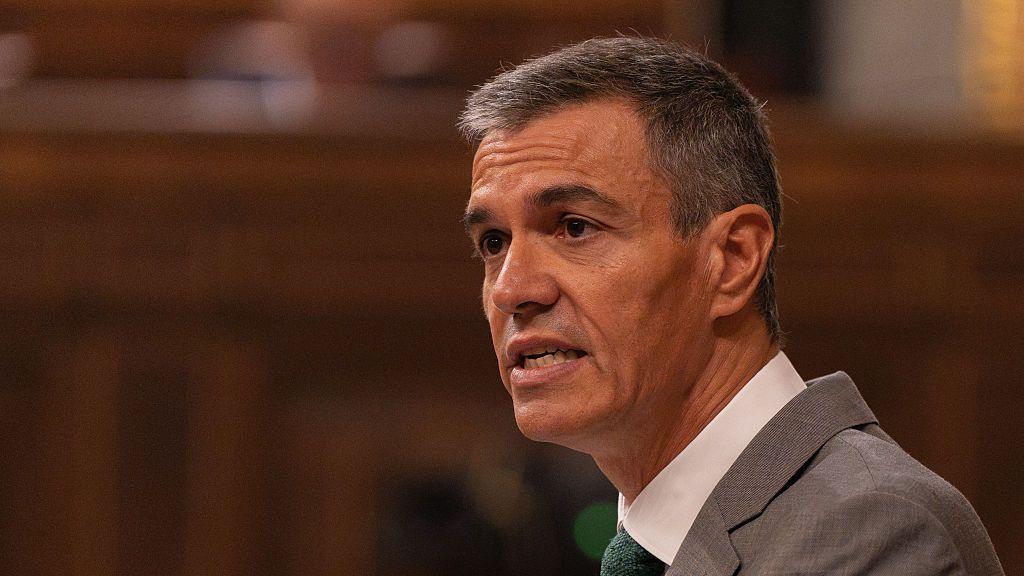
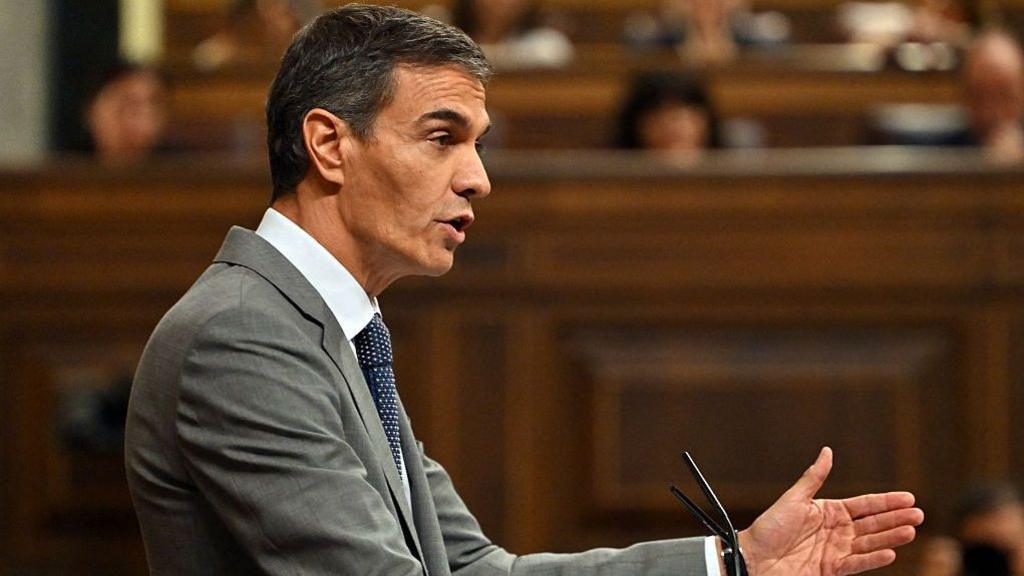
In response to the backlash, the current government introduced two decree‑laws aimed at tightening the rental market. However, Parliament rejected both measures in a series of votes, leaving the enforced rent controls and tenant‑protective policy proposals in limbo. The legislative defeat has placed the government in a precarious position, as public pressure intensifies at major hubs such as Madrid.
Political analysts now warn that the failed decree‑laws could spin the political thread towards an early general election. Although the existing electoral calendar schedules the next nationwide vote for next summer, the parliamentary backlash may prompt the ruling coalition to seek a fresh mandate to reassure an aggrieved electorate.
The dispute also exposes deeper structural issues: rising housing costs, steering of urban development, and a lack of affordable rental stock. Central to the debate is the question of how the state can balance free‑market dynamics with urgent social protections for the most vulnerable tenants.
With protests continuing in multiple cities, the government’s next moves will determine whether Spain can navigate this housing crisis without compromising its internal political stability. The risk of a snap election remains a looming possibility, contingent on both legislative developments and the public’s appetite for rapid change.