Swiss glaciers suffered a disastrous year of ice loss, threatening water supplies
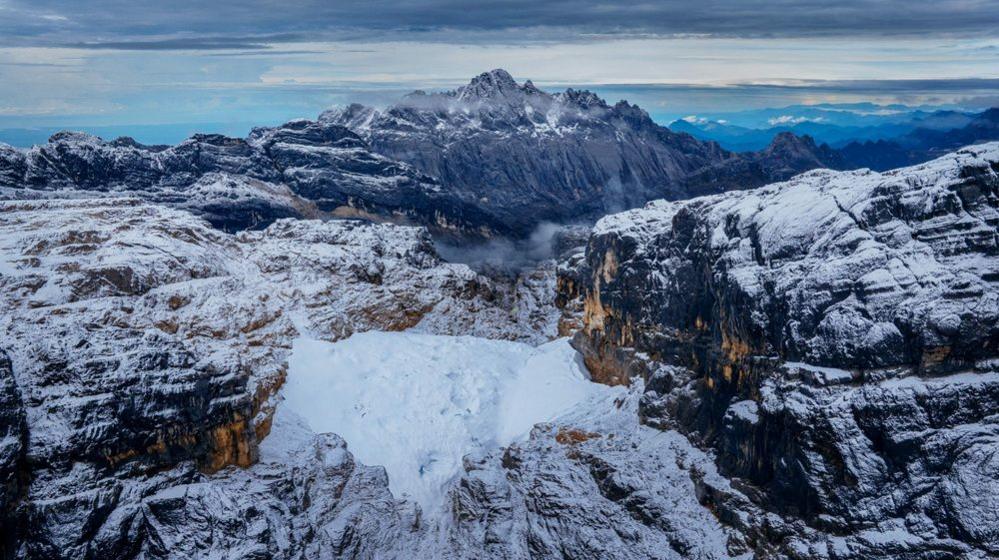
Swiss glaciers have lost more than 5 % of their remaining ice in 2026, a decline surpassing the 2 % threshold that had previously been labeled extreme.
New data released by Glacier Monitoring Switzerland show that the country’s remaining glacier ice has shrunk by an estimated 5.5 % over the last 12 months, a loss that scientists describe as extraordinary and already threatening water supplies for farming, hydropower and transport.
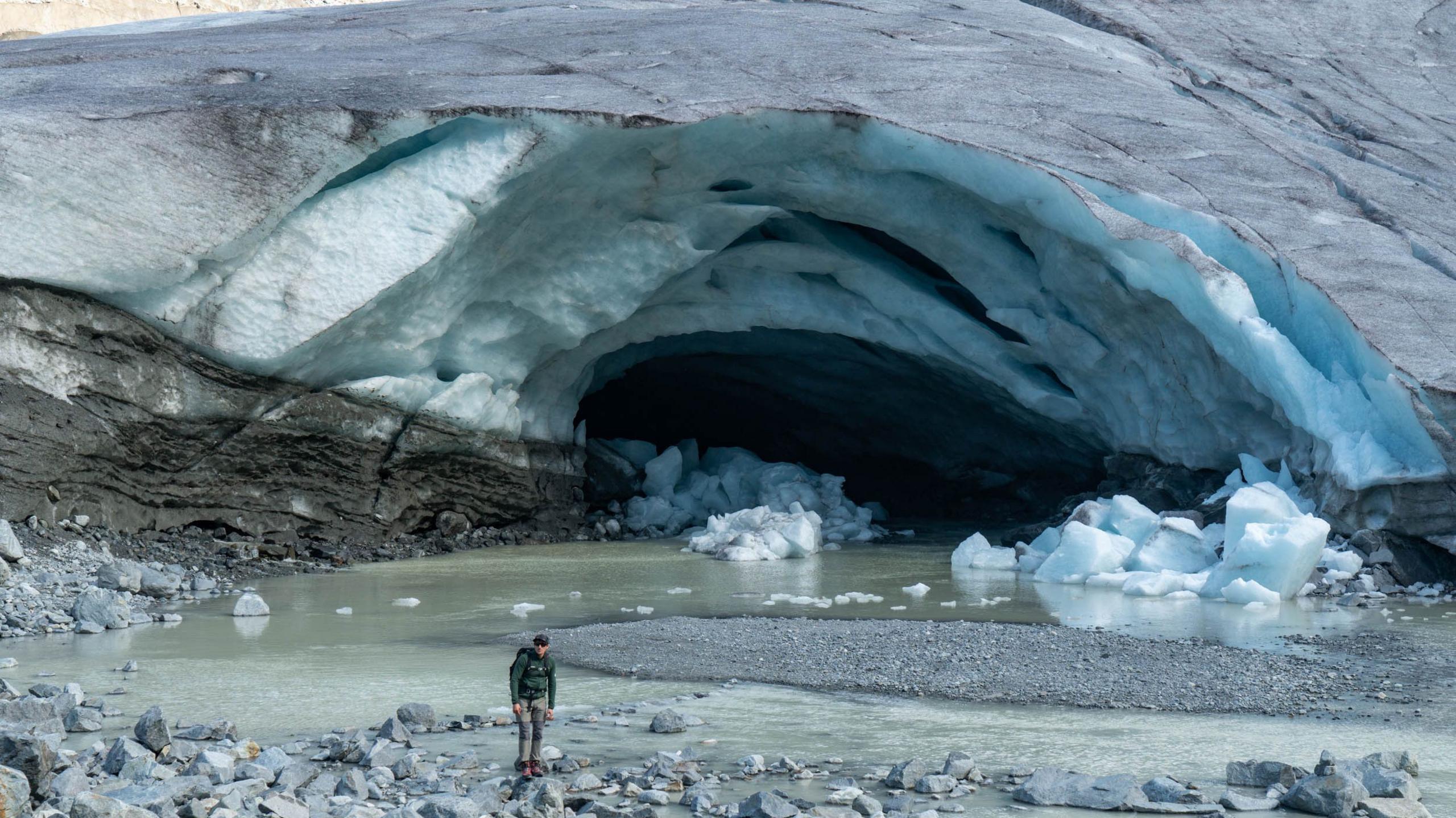
The rapid retreat follows an unusually mild winter and a string of intense heatwaves in May and June that stripped snowfall from glacier fronts, exposing dark ice that absorbs more solar radiation and accelerates melting. As glaciers cover less area, the melt is increasingly unsustainable – snow that would normally compact into new ice layers has not returned, leaving glaciers that once received multi‑metre of winter snow completely bare at 3,500 m elevation.

Between July and September, glacial meltwater released a record 2.2 trillion litres – enough to temporarily ease dry‑season shortages in parts of the country. However, with each melt cycle the ice reserve shrinks, meaning that future heatwaves will draw water from a depleted source that has been naturally stored as ice for centuries.
“The loss of ice could pose long‑term challenges, with smaller glaciers unable to top up water levels to the same extent,” says Dr Matthias Huss, director of Glacier Monitoring Switzerland. “Every drop of water that runs off during these heatwaves is old water that has been stocked in the glacier ice for decades. It’s helping us now but it’s unsustainable, so we won’t have it at our disposal in the next heatwave.”
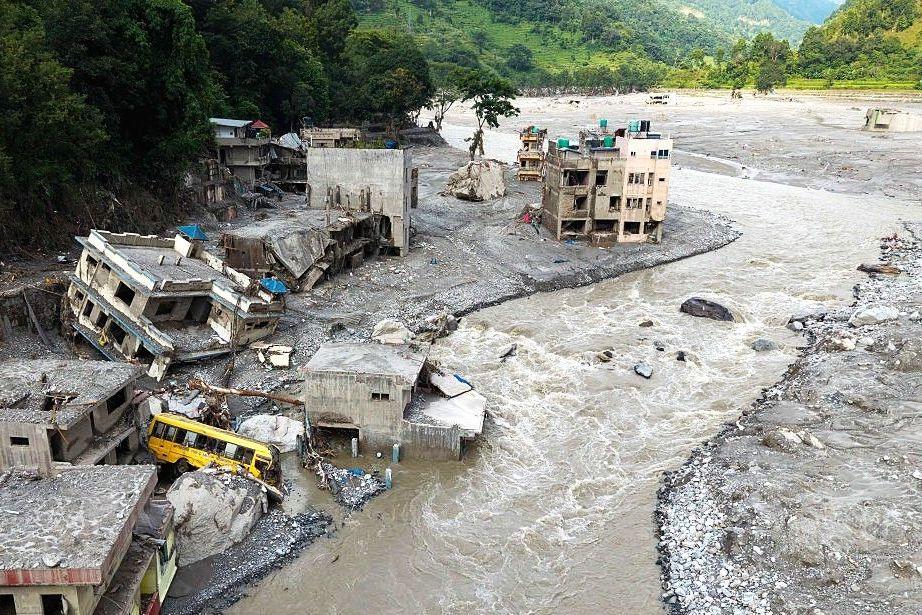
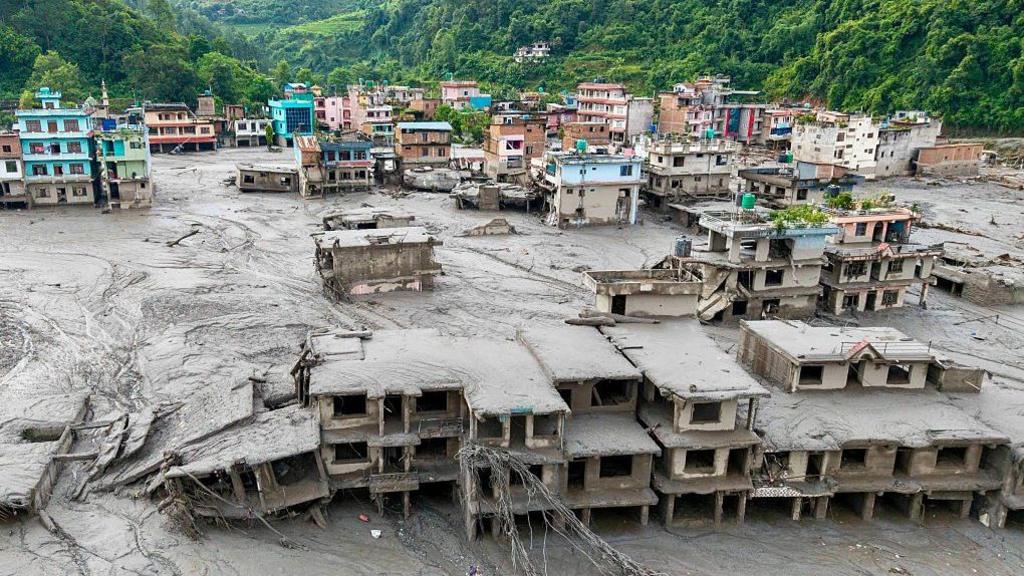
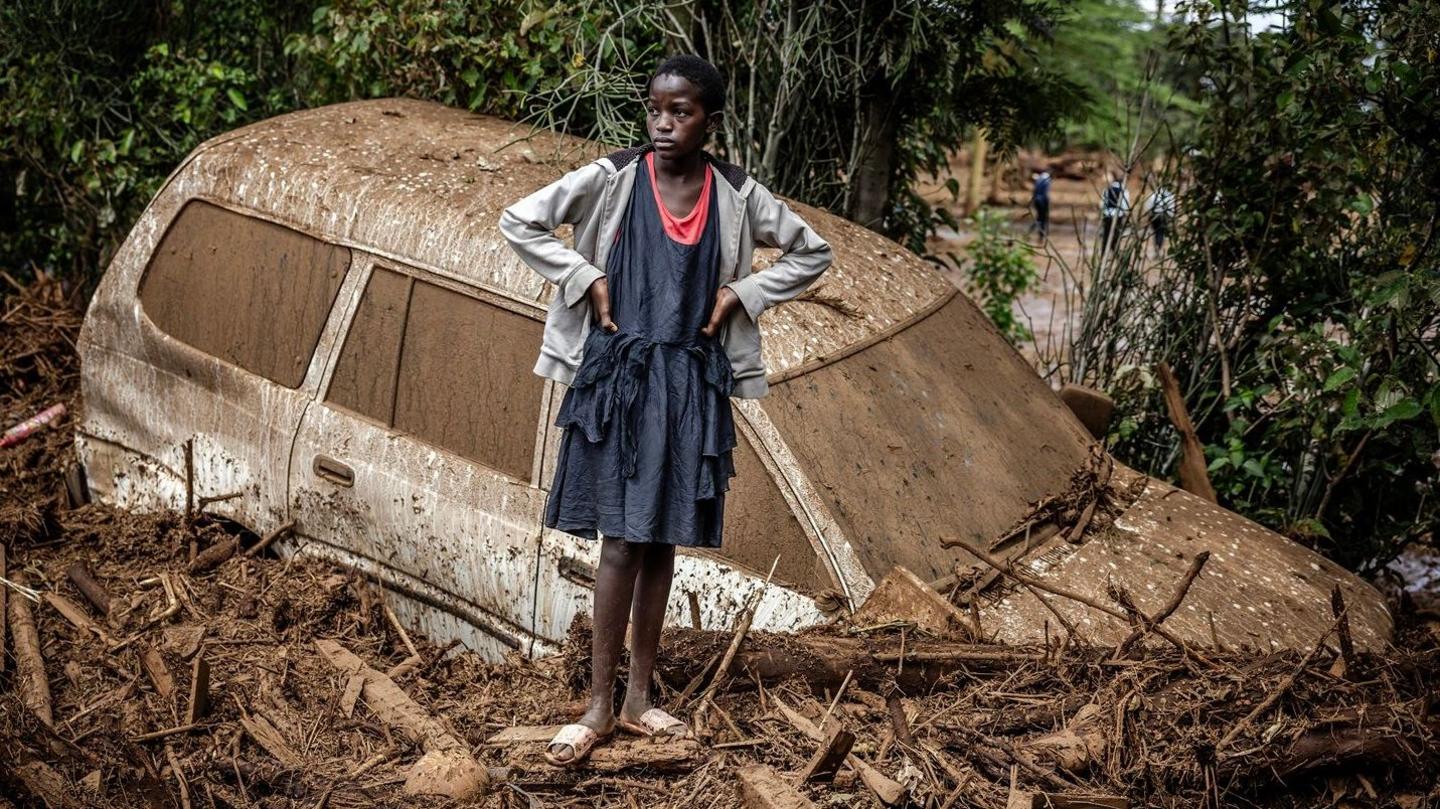
The consequences go beyond water scarcity. Glacier retreat can destabilise mountain slopes, raising the risk of landslides and flash floods, as seen in Nepal’s August disaster. In Switzerland, the River Rhine, which relies in part on glacial melt, reached record low levels during the summer, affecting shipping routes and increasing transport costs.

While the glacier loss across the Alps is expected in a warming climate, the pace of the melt is a worrying signal that the planet is now too warm for many mountain glaciers to survive. Scientists argue that drastic cuts to carbon emissions can still preserve much of the world’s glacier ice, particularly in the Himalayas and polar regions, where the cryosphere represents the largest reserve of ice on Earth.
“If we protect these ice masses, we can limit rising sea levels, which could affect billions of people living along the coast,” Huss says. "A future where glaciers remain stable would spare coastal communities the most severe impacts of global sea‑level rise.”