
In brief
Recent data reveals alarming air pollution levels in Delhi, with authorities warning of deteriorating conditions due to various contributing factors.
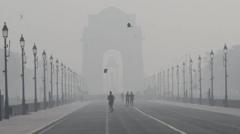
The air quality in India’s capital, Delhi, has reached alarming "very poor" and "severe" levels, with pollution metrics indicating figures up to 30 times higher than the World Health Organization's (WHO) recommended safe limits. According to the Safar website, levels of PM 2.5, tiny particulate matter that poses health risks by penetrating deep into the lungs, peaked at 350 micrograms per cubic metre in certain areas earlier this week. This alarming trend is expected to worsen due to a combination of unfavorable weather conditions, the upcoming Diwali festival's firecracker use, and ongoing crop stubble burning in nearby states.The onset of winter marks a recurring theme in Delhi and several northern Indian cities, as air pollution spikes between October and January. This seasonal spike causes significant disruptions, affecting businesses and necessitating school and office closures. The government’s initial response has included deploying tankers to sprinkle water on roads to mitigate dust and implementing the Graded Response Action Plan (GRAP), which restricts high-emission activities, such as coal and firewood usage, as well as non-emergency diesel generator operations.Despite government efforts to combat air pollution, the situation is exacerbated by farmers in Punjab and Haryana, who resort to burning crop stubble as a means of clearing fields. Although farming groups have requested financial and technical assistance for alternative practices, existing government schemes have largely fallen short. In accordance with emerging crises, authorities have urged residents to minimize outdoor exposure and utilize public transport systems to mitigate vehicular emissions further.In a bid to prevent additional contamination during the festival, the Delhi government has imposed a ban on the manufacturing, storage, and sale of fireworks. However, previous attempts to enforce such bans have met with limited success, as residents find ways to procure fireworks from neighboring regions. As health officials caution against the potential long-term effects of this pollution crisis, public concern continues to mount regarding the health implications for residents of Delhi.

