Advertisement image

Advertisement

Iran warns Israeli strikes in Lebanon could jeopardise US ceasefire

Iran warns Israeli strikes in Lebanon could jeopardise US ceasefire

bbc.co.uk
Court Rules Trump Order Banning Transgender Troops Likely Unconstitutional","description":"A three‑judge panel of the U.S. Court of Appeals for the District of Columbia Circuit upheld a lower court ruling that President Trump’s executive order to exclude transgender service members probably violates constitutional rights.","summary":"On Monday, the DC Circuit upheld a March 2025 federal judge’s preliminary injunction that declared President Donald Trump’s order to bar transgender troops illegal. The panel limited the injunction to those currently active in the military, excluding those simply seeking enlistment. The decision represents a significant judicial check on a controversial policy that was promoted as protecting military readiness but was seen by many as discriminatory.","image":"https://via.placeholder.com/640x360?text=Transgender+Troops+Policy","text":"<p style=\"font-family:Arial,Helvetica,sans-serif;font-size:14px;\">WASHINGTON — A three‑judge panel of the United States Court of Appeals for the District of Columbia Circuit ruled on Monday that the Trump administration’s policy banning transgender troops from military service likely violates the constitutional rights of service members. The decision upholds a March 2025 ruling by U.S. District Judge Ana Reyes in Washington, D.C., who found that President Donald Trump’s executive order—issued in January 2025—conflicts with federally protected civil liberties.</p>\n<p style=\"font-family:Arial,Helvetica,sans-serif;font-size:14px;\">Reyes’s preliminary injunction was filed by six transgender U.S. Army and Marine Corps soldiers who were already serving, as well as two civilians seeking enlistment. The appellate court agreed that the injunction should be applied only to those currently in the armed forces, not to those looking to join. In effect, the ruling blocks the policy from taking effect for active‑duty personnel while leaving open the possibility that the ban could still apply to future recruits.</p>\n<p style=\"font-family:Arial,Helvetica,sans-serif;font-size:14px;\">According to the order, the executive order’s assertion that a soldier’s sexual identity conflicts with a commitment to an “honorable, truthful, and disciplined lifestyle” is not supported by evidence and undermines the constitutional guarantees of free speech, equal protection, and due process. The court emphasized that the policy’s broad exclusion of transgender individuals serves no legitimate military advantage and amounts to discrimination on the basis of sex.</p>\n<p style=\"font-family:Arial,Helvetica,sans-serif;font-size:14px;\">The controversy over transgender service has been a flashpoint in U.S. politics. While the current administration sought to justify the ban as a measure to protect readiness and morale, critics argue that the policy is fueled by prejudice against a marginalized group. Judge Robert Wilkins, who penned the majority opinion, noted that the order appears driven by a “bare desire to harm a politically unpopular group.” Wilkins was confirmed to the court by President Barack Obama in 2006.</p>\n<p style=\"font-family:Arial,Helvetica,sans-serif;font-size:14px;\">In response to the order, Defense Secretary Pete Hegseth issued a new policy that presumptively disqualifies individuals with gender dysphoria from military service. Gender dysphoria—defined as the distress experienced when a person’s assigned gender does not align with their internal identity—has been linked to depression and increased risk of suicidal ideation. The policy, while addressing mental‑health concerns, may also be interpreted as a broader safeguard against the inclusion of transgender service members.</p>\n<p style=\"font-family:Arial,Helvetica,sans-serif;font-size:14px;\">The decision is expected to influence future court filings, political debates, and the administration’s approach to inclusion. While the order remains enforced for active‑duty troops, the court’s narrowing of the injunction signals a cautious approach to balancing military policy with civil rights jurisprudence. Sources on the policy implications suggest that the ruling may bolster arguments for a pro‑inclusion stance in the looming 2026 military recruitment calendar.</p>

Court Rules Trump Order Banning Transgender Troops Likely Unconstitutional","description":"A three‑judge panel of the U.S. Court of Appeals for the District of Columbia Circuit upheld a lower court ruling that President Trump’s executive order to exclude transgender service members probably violates constitutional rights.","summary":"On Monday, the DC Circuit upheld a March 2025 federal judge’s preliminary injunction that declared President Donald Trump’s order to bar transgender troops illegal. The panel limited the injunction to those currently active in the military, excluding those simply seeking enlistment. The decision represents a significant judicial check on a controversial policy that was promoted as protecting military readiness but was seen by many as discriminatory.","image":"https://via.placeholder.com/640x360?text=Transgender+Troops+Policy","text":"<p style=\"font-family:Arial,Helvetica,sans-serif;font-size:14px;\">WASHINGTON — A three‑judge panel of the United States Court of Appeals for the District of Columbia Circuit ruled on Monday that the Trump administration’s policy banning transgender troops from military service likely violates the constitutional rights of service members. The decision upholds a March 2025 ruling by U.S. District Judge Ana Reyes in Washington, D.C., who found that President Donald Trump’s executive order—issued in January 2025—conflicts with federally protected civil liberties.</p>\n<p style=\"font-family:Arial,Helvetica,sans-serif;font-size:14px;\">Reyes’s preliminary injunction was filed by six transgender U.S. Army and Marine Corps soldiers who were already serving, as well as two civilians seeking enlistment. The appellate court agreed that the injunction should be applied only to those currently in the armed forces, not to those looking to join. In effect, the ruling blocks the policy from taking effect for active‑duty personnel while leaving open the possibility that the ban could still apply to future recruits.</p>\n<p style=\"font-family:Arial,Helvetica,sans-serif;font-size:14px;\">According to the order, the executive order’s assertion that a soldier’s sexual identity conflicts with a commitment to an “honorable, truthful, and disciplined lifestyle” is not supported by evidence and undermines the constitutional guarantees of free speech, equal protection, and due process. The court emphasized that the policy’s broad exclusion of transgender individuals serves no legitimate military advantage and amounts to discrimination on the basis of sex.</p>\n<p style=\"font-family:Arial,Helvetica,sans-serif;font-size:14px;\">The controversy over transgender service has been a flashpoint in U.S. politics. While the current administration sought to justify the ban as a measure to protect readiness and morale, critics argue that the policy is fueled by prejudice against a marginalized group. Judge Robert Wilkins, who penned the majority opinion, noted that the order appears driven by a “bare desire to harm a politically unpopular group.” Wilkins was confirmed to the court by President Barack Obama in 2006.</p>\n<p style=\"font-family:Arial,Helvetica,sans-serif;font-size:14px;\">In response to the order, Defense Secretary Pete Hegseth issued a new policy that presumptively disqualifies individuals with gender dysphoria from military service. Gender dysphoria—defined as the distress experienced when a person’s assigned gender does not align with their internal identity—has been linked to depression and increased risk of suicidal ideation. The policy, while addressing mental‑health concerns, may also be interpreted as a broader safeguard against the inclusion of transgender service members.</p>\n<p style=\"font-family:Arial,Helvetica,sans-serif;font-size:14px;\">The decision is expected to influence future court filings, political debates, and the administration’s approach to inclusion. While the order remains enforced for active‑duty troops, the court’s narrowing of the injunction signals a cautious approach to balancing military policy with civil rights jurisprudence. Sources on the policy implications suggest that the ruling may bolster arguments for a pro‑inclusion stance in the looming 2026 military recruitment calendar.</p>

AP
Ghanaian Mother and Son Ordered to Leave After Week‑Long Detention at Washington International Airport","description":"A pregnant Ghanaian woman and her young son, detained under immigration law for more than a week, have been ordered by a U.S. judge to depart the country.","summary":"Annabella Gyasi, a 38‑year‑old pregnant Ghanaian woman, and her son, who was born with severely malformed hands, were held in a windowless detention cell at Washington Dulles International Airport for over a week despite holding valid visas. After two hospitalizations for pregnancy complications and allegations of inadequate food, Gyasi’s lawyers sued, citing inhumane conditions. ACLU spokeswoman Mary Bauer condemned the treatment. U.S. District Judge Leonie Brinkema ruled that “the welfare of the petitioners and the interests of justice are best served by allowing petitioners to return home immediately,” and the pair left for Ghana Friday evening." ,"image":"https://dims.apnews.com/dims4/default/7fad3ea/2147483647/strip/true/crop/5615x3743+0+0/resize/599x399!/quality/90/?url=https%3A%2F%2Fassets.apnews.com%2Fe6%2Fa4%2F3e5557ce07217991b82efa1b1aea%2F3eba7085f0e64648bfa4a8cbc5d49bfb","text":"<p>A pregnant woman from Ghana and her young son spent more than a week in a windowless detention room at Washington Dulles International Airport before an order for their deportation was issued.</p><p>Annabella Gyasi, 38, arrived on May 19 for a medical appointment for her son, who was born with severely malformed hands. Both held valid visas, but were detained after Gyasi alleged persecution in Ghana and expressed fear of returning.</p><p>During their detainment, Gyasi and her son were hospitalized twice for pregnancy complications, including vaginal bleeding and high blood pressure. Lawyers testified that guards denied food and basic food requests, while DHS maintained that detained persons receive appropriate care.</p><p>ACLU Virginia Executive Director Mary Bauer condemned the “nightmare” conditions, calling for humane treatment. A judge, Leonie Brinkema, ruled that the welfare of the petitioners and interests of justice favor immediate return to Ghana.</p><p>Gyasi and her son departed for Ghana on Friday evening, following a court order that viewed the detention as unjust and unnecessary.</p>

Ghanaian Mother and Son Ordered to Leave After Week‑Long Detention at Washington International Airport","description":"A pregnant Ghanaian woman and her young son, detained under immigration law for more than a week, have been ordered by a U.S. judge to depart the country.","summary":"Annabella Gyasi, a 38‑year‑old pregnant Ghanaian woman, and her son, who was born with severely malformed hands, were held in a windowless detention cell at Washington Dulles International Airport for over a week despite holding valid visas. After two hospitalizations for pregnancy complications and allegations of inadequate food, Gyasi’s lawyers sued, citing inhumane conditions. ACLU spokeswoman Mary Bauer condemned the treatment. U.S. District Judge Leonie Brinkema ruled that “the welfare of the petitioners and the interests of justice are best served by allowing petitioners to return home immediately,” and the pair left for Ghana Friday evening." ,"image":"https://dims.apnews.com/dims4/default/7fad3ea/2147483647/strip/true/crop/5615x3743+0+0/resize/599x399!/quality/90/?url=https%3A%2F%2Fassets.apnews.com%2Fe6%2Fa4%2F3e5557ce07217991b82efa1b1aea%2F3eba7085f0e64648bfa4a8cbc5d49bfb","text":"<p>A pregnant woman from Ghana and her young son spent more than a week in a windowless detention room at Washington Dulles International Airport before an order for their deportation was issued.</p><p>Annabella Gyasi, 38, arrived on May 19 for a medical appointment for her son, who was born with severely malformed hands. Both held valid visas, but were detained after Gyasi alleged persecution in Ghana and expressed fear of returning.</p><p>During their detainment, Gyasi and her son were hospitalized twice for pregnancy complications, including vaginal bleeding and high blood pressure. Lawyers testified that guards denied food and basic food requests, while DHS maintained that detained persons receive appropriate care.</p><p>ACLU Virginia Executive Director Mary Bauer condemned the “nightmare” conditions, calling for humane treatment. A judge, Leonie Brinkema, ruled that the welfare of the petitioners and interests of justice favor immediate return to Ghana.</p><p>Gyasi and her son departed for Ghana on Friday evening, following a court order that viewed the detention as unjust and unnecessary.</p>

AP
Federal Judge Postpones Baltimore Bridge Collapse Trial After Settlements","description":"A federal judge has delayed the civil trial over the 2024 collapse of Baltimore’s Francis Scott Key Bridge after a wave of last‑minute settlements resolved most remaining claims.  Judge James Bredar cited frustration over the timing of agreements and said the pause allows for additional settlement possibilities.","summary":"After the container ship Dali crashed into Baltimore’s Key Bridge on March 26 2024, driving six construction workers to death, a federal judge postponed the civil trial that was set to begin early May.  Last‑minute settlements involving the workers’ families and other parties have largely taken care of economic losses and death claims.  Judge Bredar, appointed by President Barack Obama, expressed frustration with the timing of the agreements but acknowledged that civil cases often settle before trial.  Criminal charges against the ship’s operators have been filed separately and remain pending.","image":"https://picsum.photos/id/1042/800/400","text":"<h1 style=\"font-family:Arial,sans-serif;font-weight:700;font-size:24px;margin-bottom:10px;\">Federal Judge Postpones Baltimore Bridge Collapse Trial After Settlements</h1><p style=\"font-family:Arial,sans-serif;font-size:16px;margin-bottom:15px;\">BALTIMORE, MD — U.S. District Judge James Bredar has agreed to postpone the civil trial that was set to begin this week over the collapse of Baltimore’s Francis Scott Key Bridge, citing a flurry of last‑minute settlements that settled most of the remaining claims.  The judgment came after the judge’s express frustration about the timing of the agreements, which settled all pending claims over the deaths of six construction workers who were working on pothole repairs when the container ship Dali lost power and crashed into the bridge on March 26 2024.</p><p style=\"font-family:Arial,sans-serif;font-size:16px;margin-bottom:15px;\">Virtually all of the unresolved claims were economic in nature, alleging losses by businesses and local governments.  None of the remaining parties were seeking to start the trial as scheduled.  In the meantime, Judge Bredar, who was nominated by President Barack Obama, said he would defer the proceedings indefinitely to consider whether additional legal arguments could lead to further settlements, potentially ending the litigation without a trial.</p><p style=\"font-family:Arial,sans-serif;font-size:16px;margin-bottom:15px;\">Bredar described himself as “highly frustrated” but noted that civil cases often settle on the eve of trial.  He added, \"It’s not directed at just one side or another.  It takes two to tango.  I’m frustrated on behalf of the public (and) the court.\"</p><p style=\"font-family:Arial,sans-serif;font-size:16px;margin-bottom:15px;\">The settlements with the families of the six workers were not made public.  Less than two weeks earlier, the judge had rejected a request to delay the trial following the filing of criminal charges against the ship’s operators.  On May 12, U.S. prosecutors announced indictments against Singapore‑based Synergy Marine Pte Ltd. and India‑based Synergy Maritime Pte Ltd.  The indictment accuses the operators of conspiracy, misconduct causing death, and obstruction of the National Transportation Safety Board.</p><p style=\"font-family:Arial,sans-serif;font-size:16px;margin-bottom:15px;\">A previous $2.25 billion settlement was announced in April between the state of Maryland, Synergy Marine and Grace Ocean Private Limited, the Singapore‑based ship owner.  Grace Ocean has not been charged with any crimes related to the collapse.  The city of Baltimore, which joined the companies in seeking a delay, has economic loss claims related to the bridge’s destruction.  The judge’s decision to pause the trial leaves the door open for further settlements and may ultimately end the case without formal litigation.</p>

Federal Judge Postpones Baltimore Bridge Collapse Trial After Settlements","description":"A federal judge has delayed the civil trial over the 2024 collapse of Baltimore’s Francis Scott Key Bridge after a wave of last‑minute settlements resolved most remaining claims. Judge James Bredar cited frustration over the timing of agreements and said the pause allows for additional settlement possibilities.","summary":"After the container ship Dali crashed into Baltimore’s Key Bridge on March 26 2024, driving six construction workers to death, a federal judge postponed the civil trial that was set to begin early May. Last‑minute settlements involving the workers’ families and other parties have largely taken care of economic losses and death claims. Judge Bredar, appointed by President Barack Obama, expressed frustration with the timing of the agreements but acknowledged that civil cases often settle before trial. Criminal charges against the ship’s operators have been filed separately and remain pending.","image":"https://picsum.photos/id/1042/800/400","text":"<h1 style=\"font-family:Arial,sans-serif;font-weight:700;font-size:24px;margin-bottom:10px;\">Federal Judge Postpones Baltimore Bridge Collapse Trial After Settlements</h1><p style=\"font-family:Arial,sans-serif;font-size:16px;margin-bottom:15px;\">BALTIMORE, MD — U.S. District Judge James Bredar has agreed to postpone the civil trial that was set to begin this week over the collapse of Baltimore’s Francis Scott Key Bridge, citing a flurry of last‑minute settlements that settled most of the remaining claims. The judgment came after the judge’s express frustration about the timing of the agreements, which settled all pending claims over the deaths of six construction workers who were working on pothole repairs when the container ship Dali lost power and crashed into the bridge on March 26 2024.</p><p style=\"font-family:Arial,sans-serif;font-size:16px;margin-bottom:15px;\">Virtually all of the unresolved claims were economic in nature, alleging losses by businesses and local governments. None of the remaining parties were seeking to start the trial as scheduled. In the meantime, Judge Bredar, who was nominated by President Barack Obama, said he would defer the proceedings indefinitely to consider whether additional legal arguments could lead to further settlements, potentially ending the litigation without a trial.</p><p style=\"font-family:Arial,sans-serif;font-size:16px;margin-bottom:15px;\">Bredar described himself as “highly frustrated” but noted that civil cases often settle on the eve of trial. He added, \"It’s not directed at just one side or another. It takes two to tango. I’m frustrated on behalf of the public (and) the court.\"</p><p style=\"font-family:Arial,sans-serif;font-size:16px;margin-bottom:15px;\">The settlements with the families of the six workers were not made public. Less than two weeks earlier, the judge had rejected a request to delay the trial following the filing of criminal charges against the ship’s operators. On May 12, U.S. prosecutors announced indictments against Singapore‑based Synergy Marine Pte Ltd. and India‑based Synergy Maritime Pte Ltd. The indictment accuses the operators of conspiracy, misconduct causing death, and obstruction of the National Transportation Safety Board.</p><p style=\"font-family:Arial,sans-serif;font-size:16px;margin-bottom:15px;\">A previous $2.25 billion settlement was announced in April between the state of Maryland, Synergy Marine and Grace Ocean Private Limited, the Singapore‑based ship owner. Grace Ocean has not been charged with any crimes related to the collapse. The city of Baltimore, which joined the companies in seeking a delay, has economic loss claims related to the bridge’s destruction. The judge’s decision to pause the trial leaves the door open for further settlements and may ultimately end the case without formal litigation.</p>

AP
Tokyo’s Shibuya Ward imposes immediate fines on littering amid tourism surge

Tokyo’s Shibuya Ward imposes immediate fines on littering amid tourism surge

bbc.co.uk
Israel Orders Strikes on Beirut’s Southern Suburbs Amid Escalating Conflict

Israel Orders Strikes on Beirut’s Southern Suburbs Amid Escalating Conflict

bbc.co.uk
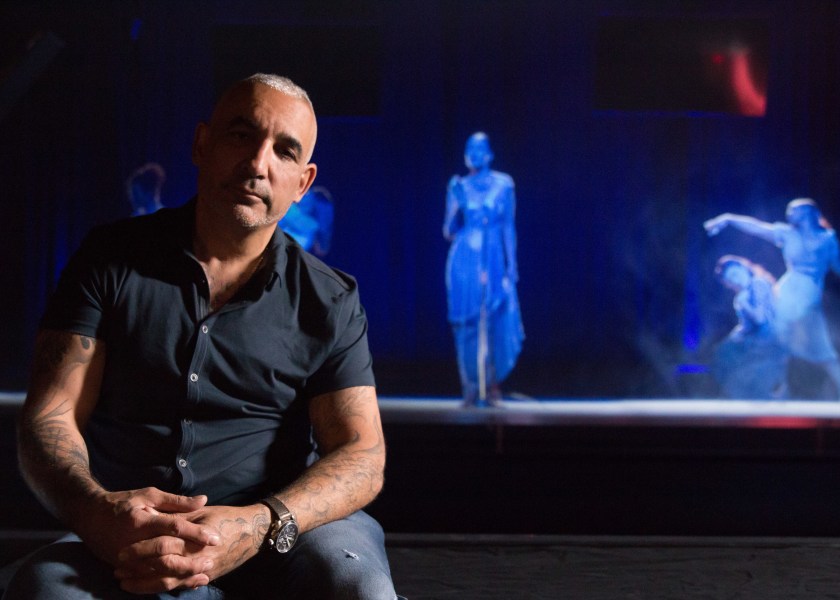
Alki David Files Emergency Preservation Order in Dallas Federal Court Amid NXIVM and Industry Connections

Alki David Files Emergency Preservation Order in Dallas Federal Court Amid NXIVM and Industry Connections

shockya.com
Florida Files Lawsuit Against OpenAI, Accusing Company of Concealing Risks","description":"The Florida attorney general has sued OpenAI and its CEO, Sam Altman, alleging the company marketed ChatGPT while hiding potential dangers, including data misuse on minors and encouragement of violent behavior.","summary":"Florida’s attorney general alleges that OpenAI’s ChatGPT was deployed without adequate safeguards, potentially enabling self-harm, violence, and data exploitation of minors. The lawsuit claims the company ignored internal warnings and misled users, prompting state‑level legal action.","image":"https://example.com/florida-openai-lawsuit.jpg","text":"<h1 style=\"font-size:24px;margin-top:0;margin-bottom:12px;\">Florida Files Lawsuit Against OpenAI, Accusing Company of Concealing Risks</h1><p style=\"font-size:16px;line-height:1.5;margin-bottom:12px;\">The state of Florida has filed a civil suit against the artificial‑intelligence firm OpenAI and its chief executive Sam Altman. The lawsuit, filed in federal court, claims that OpenAI knowingly released and aggressively marketed the GPT‑powered chatbot ChatGPT while concealing serious safety risks.</p><p style=\"font-size:16px;line-height:1.5;margin-bottom:12px;\">Attorney General James Uthmeier said the company ignored internal safety warnings and misled the public about the tool’s potential dangers, especially to children. “OpenAI and Altman ignored internal and external safety warnings, put children at great risk, and let a dangerous product reach millions of Floridians,” Uthmeier told reporters.</p><p style=\"font-size:16px;line-height:1.5;margin-bottom:12px;\">The complaint cites two incidents. In one, a gunman who killed two students and wounded six at Florida State University reportedly asked ChatGPT for help planning the attack. In another, a man who killed two University of South Florida doctoral students had earlier asked the chatbot about disposing a human body in a dumpster, according to prosecutors.</p><p style=\"font-size:16px;line-height:1.5;margin-bottom:12px;\">OpenAI has responded that its models still encourage users to seek professional support for mental health and that it has cooperated with law enforcement in both cases. The company also said it has been actively improving safeguards to detect harmful intent and mitigate misuse.</p><p style=\"font-size:16px;line-height:1.5;margin-bottom:12px;\">Florida’s lawsuit further alleges that ChatGPT collects data from minors without meaningful parental oversight, contributes to behavioral addiction, and can cause cognitive harm. It claims the company downplayed dangerous errors and engaged in deceptive trade practices, violating state consumer‑protection laws.</p><p style=\"font-size:16px;line-height:1.5;margin-bottom:12px;\">The suit seeks accountability and potential damages, asserting that the company’s conduct has caused ongoing harm to Floridians. This marks the first state‑level legal action against an AI developer over safety concerns.\n</p>
AP

Florida Files Lawsuit Against OpenAI, Accusing Company of Concealing Risks","description":"The Florida attorney general has sued OpenAI and its CEO, Sam Altman, alleging the company marketed ChatGPT while hiding potential dangers, including data misuse on minors and encouragement of violent behavior.","summary":"Florida’s attorney general alleges that OpenAI’s ChatGPT was deployed without adequate safeguards, potentially enabling self-harm, violence, and data exploitation of minors. The lawsuit claims the company ignored internal warnings and misled users, prompting state‑level legal action.","image":"https://example.com/florida-openai-lawsuit.jpg","text":"<h1 style=\"font-size:24px;margin-top:0;margin-bottom:12px;\">Florida Files Lawsuit Against OpenAI, Accusing Company of Concealing Risks</h1><p style=\"font-size:16px;line-height:1.5;margin-bottom:12px;\">The state of Florida has filed a civil suit against the artificial‑intelligence firm OpenAI and its chief executive Sam Altman. The lawsuit, filed in federal court, claims that OpenAI knowingly released and aggressively marketed the GPT‑powered chatbot ChatGPT while concealing serious safety risks.</p><p style=\"font-size:16px;line-height:1.5;margin-bottom:12px;\">Attorney General James Uthmeier said the company ignored internal safety warnings and misled the public about the tool’s potential dangers, especially to children. “OpenAI and Altman ignored internal and external safety warnings, put children at great risk, and let a dangerous product reach millions of Floridians,” Uthmeier told reporters.</p><p style=\"font-size:16px;line-height:1.5;margin-bottom:12px;\">The complaint cites two incidents. In one, a gunman who killed two students and wounded six at Florida State University reportedly asked ChatGPT for help planning the attack. In another, a man who killed two University of South Florida doctoral students had earlier asked the chatbot about disposing a human body in a dumpster, according to prosecutors.</p><p style=\"font-size:16px;line-height:1.5;margin-bottom:12px;\">OpenAI has responded that its models still encourage users to seek professional support for mental health and that it has cooperated with law enforcement in both cases. The company also said it has been actively improving safeguards to detect harmful intent and mitigate misuse.</p><p style=\"font-size:16px;line-height:1.5;margin-bottom:12px;\">Florida’s lawsuit further alleges that ChatGPT collects data from minors without meaningful parental oversight, contributes to behavioral addiction, and can cause cognitive harm. It claims the company downplayed dangerous errors and engaged in deceptive trade practices, violating state consumer‑protection laws.</p><p style=\"font-size:16px;line-height:1.5;margin-bottom:12px;\">The suit seeks accountability and potential damages, asserting that the company’s conduct has caused ongoing harm to Floridians. This marks the first state‑level legal action against an AI developer over safety concerns.\n</p>

Tina Peters, a former Colorado elections clerk, is set to be released from prison after serving a fraction of her nine‑year sentence for breaching election security. The Colorado governor, Democrat Jared Polis, commuted her sentence under pressure from former President Donald Trump, who championed her case but had no direct pardon authority. The decision has sparked debate in Colorado's political circles, with Democratic officials citing it as a compromise that undermines justice.

Tina Peters, a former Colorado elections clerk, is set to be released from prison after serving a fraction of her nine‑year sentence for breaching election security. The Colorado governor, Democrat Jared Polis, commuted her sentence under pressure from former President Donald Trump, who championed her case but had no direct pardon authority. The decision has sparked debate in Colorado's political circles, with Democratic officials citing it as a compromise that undermines justice.

AP
California’s first election of 2026 sees former Fox News host Steve Hilton, billionaire activist Tom Steyer, former attorney‑general Xavier Becerra, and others vying for two seats in the governor’s race, while Los Angeles’ mayoral contest pits incumbent Karen Bass against reality‑TV star Spencer Pratt and progressive councilmember Nithya Raman. The results may send different political currents through the state’s future governance, reflecting broader debates over party dominance, policy priorities, and the role of outsider candidates in American politics.

California’s first election of 2026 sees former Fox News host Steve Hilton, billionaire activist Tom Steyer, former attorney‑general Xavier Becerra, and others vying for two seats in the governor’s race, while Los Angeles’ mayoral contest pits incumbent Karen Bass against reality‑TV star Spencer Pratt and progressive councilmember Nithya Raman. The results may send different political currents through the state’s future governance, reflecting broader debates over party dominance, policy priorities, and the role of outsider candidates in American politics.

AP
In a speech at the John F. Kennedy Presidential Library, ex‑Fed Chair Jerome Powell defended the institutional independence of the central bank against attempts by the Trump administration to influence policy. The Kennedy Foundation recognized Powell for his courage in preserving the Fed’s impartiality, drawing parallels to other civil‑society champions. The award ceremony also honored Minnesota residents for confronting federal immigration enforcement. Powell acknowledges past mistakes in monetary policy while emphasizing the importance of transparency and accountability.

In a speech at the John F. Kennedy Presidential Library, ex‑Fed Chair Jerome Powell defended the institutional independence of the central bank against attempts by the Trump administration to influence policy. The Kennedy Foundation recognized Powell for his courage in preserving the Fed’s impartiality, drawing parallels to other civil‑society champions. The award ceremony also honored Minnesota residents for confronting federal immigration enforcement. Powell acknowledges past mistakes in monetary policy while emphasizing the importance of transparency and accountability.

AP

Featured Sections

SPORT

Muhammad Ali’s 10‑Year Anniversary: Lonnie Ali Calls for Compassionate Action","description":"On the decade‑anniversary of the boxing legend’s death, his wife Lonnie Ali urges the nation to honour his legacy with service and social justice","summary":"In Louisville, Kentucky, Lonnie Ali, the former spouse and lifelong companion of Muhammad Ali, highlighted his humanitarian legacy during the 10th anniversary of his death. Ahead of the \"Day of Compassion\" organized by the Muhammad Ali Center, she emphasized Ali’s mantra of service to others, urging Americans to unite, promote voting rights, and act with empathy in an increasingly polarised society. Ali, known as the “Louisville Lip,” was a prominent civil‑rights advocate and three‑time heavyweight champion. The anniversary day, set to become an annual event, reflects on one of Ali’s core values amidst a fractured nation and calls for political leaders to lead with compassion. The ceremony’s focus included the week‑long city celebrations of Ali’s life in 2016, featuring a historic funeral procession, speeches by national figures, and a public display of his influence, including the release of a USPS postage stamp bearing his likeness.","image":"","text":"<p>LOUISVILLE, Ky. – Muhammad Ali’s legacy extends beyond his stinging right jab, world titles and Olympic gold medal, to the heart and compassion he showed long after he left the ring, his wife Lonnie Ali said.</p>\n<p>“He transcended boxing into every space you can imagine,” she told The Associated Press this week ahead of the 10‑year anniversary of Ali’s death on June 3, 2016, after a long battle with Parkinson’s disease.</p>\n<p>“Muhammad lived by this mantra: service to others is the rent we pay for our room here on earth,” Lonnie Ali said during an interview at The Muhammad Ali Center in Louisville, Kentucky. “He showed up every day with kindness and empathy in his heart for people who are in need.”</p>\n<p>Ali, known as the “Louisville Lip” in his hometown, rose to prominence as a trash‑talking world champion boxer in the 1960s and began speaking about civil rights issues as his star was rising. He is widely regarded as the most famous and influential boxer of all time, winning the heavyweight title three times.</p>\n<p>The Ali Center is sponsoring a “Day of Compassion” on Wednesday, the 10th anniversary of his death, to promote acts of service and caring. Lonnie Ali, who serves as the center’s lifetime director, said the hope is an expanding annual event to highlight works of service and volunteering.</p>\n<p>The day will focus on one of “the core values that made up Muhammad Ali” in an increasingly divided country, she said.</p>\n<p>“Today, we are in a place where we are losing touch with our humanity and with each other,” she said. “It’s causing rifts, not just in families and communities, but in this nation. We’re becoming increasingly polarized and separated, and sort of retreating to people who think like us, look like us, and not really reaching out.”</p>\n<p>She also challenged political leaders to lead with compassion, noting the recent weakening of the 1965 Voting Rights Act by the Supreme Court.</p>\n<p>“We should always be thinking about how we can uplift a community, not how we can make it harder for them,” Lonnie Ali said. “We want equal representation in this country. You can’t have equal representation when you’re denying people voting rights, you can’t do that.”</p>\n<p>But there is hope, she said, and she saw that when the city of Louisville came together for a week‑long celebration of Ali’s life in 2016. The week was capped by a funeral procession through the city and past her late husband’s modest childhood home near downtown Louisville. Former President Bill Clinton and actor Billy Crystal spoke at his funeral, and Will Smith, who portrayed Ali in a 2001 movie, was a pallbearer.</p>\n<p>The outpouring of love for Ali at his hometown funeral service was livestreamed to millions around the world. A decade later, Ali’s face graced a U.S. Postal Service stamp for the first time, showing his enduring influence.</p>\n<p>“We’re talking about people who traveled thousands of miles to come here, who had never met the man, never laid eyes on him personally, but wanted to … give their last respects to him: kings, princes, presidents, heads of state, celebrities, sports figures,” Lonnie Ali said.</p>
AP

Muhammad Ali’s 10‑Year Anniversary: Lonnie Ali Calls for Compassionate Action","description":"On the decade‑anniversary of the boxing legend’s death, his wife Lonnie Ali urges the nation to honour his legacy with service and social justice","summary":"In Louisville, Kentucky, Lonnie Ali, the former spouse and lifelong companion of Muhammad Ali, highlighted his humanitarian legacy during the 10th anniversary of his death. Ahead of the \"Day of Compassion\" organized by the Muhammad Ali Center, she emphasized Ali’s mantra of service to others, urging Americans to unite, promote voting rights, and act with empathy in an increasingly polarised society. Ali, known as the “Louisville Lip,” was a prominent civil‑rights advocate and three‑time heavyweight champion. The anniversary day, set to become an annual event, reflects on one of Ali’s core values amidst a fractured nation and calls for political leaders to lead with compassion. The ceremony’s focus included the week‑long city celebrations of Ali’s life in 2016, featuring a historic funeral procession, speeches by national figures, and a public display of his influence, including the release of a USPS postage stamp bearing his likeness.","image":"","text":"<p>LOUISVILLE, Ky. – Muhammad Ali’s legacy extends beyond his stinging right jab, world titles and Olympic gold medal, to the heart and compassion he showed long after he left the ring, his wife Lonnie Ali said.</p>\n<p>“He transcended boxing into every space you can imagine,” she told The Associated Press this week ahead of the 10‑year anniversary of Ali’s death on June 3, 2016, after a long battle with Parkinson’s disease.</p>\n<p>“Muhammad lived by this mantra: service to others is the rent we pay for our room here on earth,” Lonnie Ali said during an interview at The Muhammad Ali Center in Louisville, Kentucky. “He showed up every day with kindness and empathy in his heart for people who are in need.”</p>\n<p>Ali, known as the “Louisville Lip” in his hometown, rose to prominence as a trash‑talking world champion boxer in the 1960s and began speaking about civil rights issues as his star was rising. He is widely regarded as the most famous and influential boxer of all time, winning the heavyweight title three times.</p>\n<p>The Ali Center is sponsoring a “Day of Compassion” on Wednesday, the 10th anniversary of his death, to promote acts of service and caring. Lonnie Ali, who serves as the center’s lifetime director, said the hope is an expanding annual event to highlight works of service and volunteering.</p>\n<p>The day will focus on one of “the core values that made up Muhammad Ali” in an increasingly divided country, she said.</p>\n<p>“Today, we are in a place where we are losing touch with our humanity and with each other,” she said. “It’s causing rifts, not just in families and communities, but in this nation. We’re becoming increasingly polarized and separated, and sort of retreating to people who think like us, look like us, and not really reaching out.”</p>\n<p>She also challenged political leaders to lead with compassion, noting the recent weakening of the 1965 Voting Rights Act by the Supreme Court.</p>\n<p>“We should always be thinking about how we can uplift a community, not how we can make it harder for them,” Lonnie Ali said. “We want equal representation in this country. You can’t have equal representation when you’re denying people voting rights, you can’t do that.”</p>\n<p>But there is hope, she said, and she saw that when the city of Louisville came together for a week‑long celebration of Ali’s life in 2016. The week was capped by a funeral procession through the city and past her late husband’s modest childhood home near downtown Louisville. Former President Bill Clinton and actor Billy Crystal spoke at his funeral, and Will Smith, who portrayed Ali in a 2001 movie, was a pallbearer.</p>\n<p>The outpouring of love for Ali at his hometown funeral service was livestreamed to millions around the world. A decade later, Ali’s face graced a U.S. Postal Service stamp for the first time, showing his enduring influence.</p>\n<p>“We’re talking about people who traveled thousands of miles to come here, who had never met the man, never laid eyes on him personally, but wanted to … give their last respects to him: kings, princes, presidents, heads of state, celebrities, sports figures,” Lonnie Ali said.</p>

OPINION

Muhammad Ali’s 10‑Year Anniversary: Lonnie Ali Calls for Compassionate Action","description":"On the decade‑anniversary of the boxing legend’s death, his wife Lonnie Ali urges the nation to honour his legacy with service and social justice","summary":"In Louisville, Kentucky, Lonnie Ali, the former spouse and lifelong companion of Muhammad Ali, highlighted his humanitarian legacy during the 10th anniversary of his death. Ahead of the \"Day of Compassion\" organized by the Muhammad Ali Center, she emphasized Ali’s mantra of service to others, urging Americans to unite, promote voting rights, and act with empathy in an increasingly polarised society. Ali, known as the “Louisville Lip,” was a prominent civil‑rights advocate and three‑time heavyweight champion. The anniversary day, set to become an annual event, reflects on one of Ali’s core values amidst a fractured nation and calls for political leaders to lead with compassion. The ceremony’s focus included the week‑long city celebrations of Ali’s life in 2016, featuring a historic funeral procession, speeches by national figures, and a public display of his influence, including the release of a USPS postage stamp bearing his likeness.","image":"","text":"<p>LOUISVILLE, Ky. – Muhammad Ali’s legacy extends beyond his stinging right jab, world titles and Olympic gold medal, to the heart and compassion he showed long after he left the ring, his wife Lonnie Ali said.</p>\n<p>“He transcended boxing into every space you can imagine,” she told The Associated Press this week ahead of the 10‑year anniversary of Ali’s death on June 3, 2016, after a long battle with Parkinson’s disease.</p>\n<p>“Muhammad lived by this mantra: service to others is the rent we pay for our room here on earth,” Lonnie Ali said during an interview at The Muhammad Ali Center in Louisville, Kentucky. “He showed up every day with kindness and empathy in his heart for people who are in need.”</p>\n<p>Ali, known as the “Louisville Lip” in his hometown, rose to prominence as a trash‑talking world champion boxer in the 1960s and began speaking about civil rights issues as his star was rising. He is widely regarded as the most famous and influential boxer of all time, winning the heavyweight title three times.</p>\n<p>The Ali Center is sponsoring a “Day of Compassion” on Wednesday, the 10th anniversary of his death, to promote acts of service and caring. Lonnie Ali, who serves as the center’s lifetime director, said the hope is an expanding annual event to highlight works of service and volunteering.</p>\n<p>The day will focus on one of “the core values that made up Muhammad Ali” in an increasingly divided country, she said.</p>\n<p>“Today, we are in a place where we are losing touch with our humanity and with each other,” she said. “It’s causing rifts, not just in families and communities, but in this nation. We’re becoming increasingly polarized and separated, and sort of retreating to people who think like us, look like us, and not really reaching out.”</p>\n<p>She also challenged political leaders to lead with compassion, noting the recent weakening of the 1965 Voting Rights Act by the Supreme Court.</p>\n<p>“We should always be thinking about how we can uplift a community, not how we can make it harder for them,” Lonnie Ali said. “We want equal representation in this country. You can’t have equal representation when you’re denying people voting rights, you can’t do that.”</p>\n<p>But there is hope, she said, and she saw that when the city of Louisville came together for a week‑long celebration of Ali’s life in 2016. The week was capped by a funeral procession through the city and past her late husband’s modest childhood home near downtown Louisville. Former President Bill Clinton and actor Billy Crystal spoke at his funeral, and Will Smith, who portrayed Ali in a 2001 movie, was a pallbearer.</p>\n<p>The outpouring of love for Ali at his hometown funeral service was livestreamed to millions around the world. A decade later, Ali’s face graced a U.S. Postal Service stamp for the first time, showing his enduring influence.</p>\n<p>“We’re talking about people who traveled thousands of miles to come here, who had never met the man, never laid eyes on him personally, but wanted to … give their last respects to him: kings, princes, presidents, heads of state, celebrities, sports figures,” Lonnie Ali said.</p>
AP

Muhammad Ali’s 10‑Year Anniversary: Lonnie Ali Calls for Compassionate Action","description":"On the decade‑anniversary of the boxing legend’s death, his wife Lonnie Ali urges the nation to honour his legacy with service and social justice","summary":"In Louisville, Kentucky, Lonnie Ali, the former spouse and lifelong companion of Muhammad Ali, highlighted his humanitarian legacy during the 10th anniversary of his death. Ahead of the \"Day of Compassion\" organized by the Muhammad Ali Center, she emphasized Ali’s mantra of service to others, urging Americans to unite, promote voting rights, and act with empathy in an increasingly polarised society. Ali, known as the “Louisville Lip,” was a prominent civil‑rights advocate and three‑time heavyweight champion. The anniversary day, set to become an annual event, reflects on one of Ali’s core values amidst a fractured nation and calls for political leaders to lead with compassion. The ceremony’s focus included the week‑long city celebrations of Ali’s life in 2016, featuring a historic funeral procession, speeches by national figures, and a public display of his influence, including the release of a USPS postage stamp bearing his likeness.","image":"","text":"<p>LOUISVILLE, Ky. – Muhammad Ali’s legacy extends beyond his stinging right jab, world titles and Olympic gold medal, to the heart and compassion he showed long after he left the ring, his wife Lonnie Ali said.</p>\n<p>“He transcended boxing into every space you can imagine,” she told The Associated Press this week ahead of the 10‑year anniversary of Ali’s death on June 3, 2016, after a long battle with Parkinson’s disease.</p>\n<p>“Muhammad lived by this mantra: service to others is the rent we pay for our room here on earth,” Lonnie Ali said during an interview at The Muhammad Ali Center in Louisville, Kentucky. “He showed up every day with kindness and empathy in his heart for people who are in need.”</p>\n<p>Ali, known as the “Louisville Lip” in his hometown, rose to prominence as a trash‑talking world champion boxer in the 1960s and began speaking about civil rights issues as his star was rising. He is widely regarded as the most famous and influential boxer of all time, winning the heavyweight title three times.</p>\n<p>The Ali Center is sponsoring a “Day of Compassion” on Wednesday, the 10th anniversary of his death, to promote acts of service and caring. Lonnie Ali, who serves as the center’s lifetime director, said the hope is an expanding annual event to highlight works of service and volunteering.</p>\n<p>The day will focus on one of “the core values that made up Muhammad Ali” in an increasingly divided country, she said.</p>\n<p>“Today, we are in a place where we are losing touch with our humanity and with each other,” she said. “It’s causing rifts, not just in families and communities, but in this nation. We’re becoming increasingly polarized and separated, and sort of retreating to people who think like us, look like us, and not really reaching out.”</p>\n<p>She also challenged political leaders to lead with compassion, noting the recent weakening of the 1965 Voting Rights Act by the Supreme Court.</p>\n<p>“We should always be thinking about how we can uplift a community, not how we can make it harder for them,” Lonnie Ali said. “We want equal representation in this country. You can’t have equal representation when you’re denying people voting rights, you can’t do that.”</p>\n<p>But there is hope, she said, and she saw that when the city of Louisville came together for a week‑long celebration of Ali’s life in 2016. The week was capped by a funeral procession through the city and past her late husband’s modest childhood home near downtown Louisville. Former President Bill Clinton and actor Billy Crystal spoke at his funeral, and Will Smith, who portrayed Ali in a 2001 movie, was a pallbearer.</p>\n<p>The outpouring of love for Ali at his hometown funeral service was livestreamed to millions around the world. A decade later, Ali’s face graced a U.S. Postal Service stamp for the first time, showing his enduring influence.</p>\n<p>“We’re talking about people who traveled thousands of miles to come here, who had never met the man, never laid eyes on him personally, but wanted to … give their last respects to him: kings, princes, presidents, heads of state, celebrities, sports figures,” Lonnie Ali said.</p>

Advertisement image

Advertisement


Follow us

© 2024 SwissX REDD UK ltd. All Rights Reserved.