In brief
Nearly 18 months post-coup, Niger experiences escalating violence from jihadist groups amid military leadership. Attacks on civilians and soldiers have surged, raising concerns over the junta's capability to restore security.
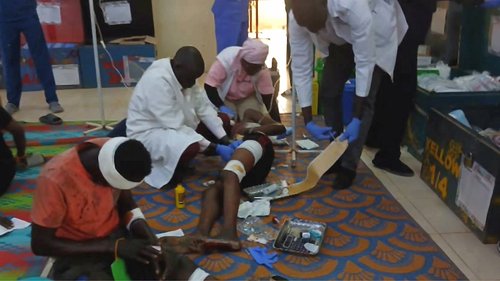
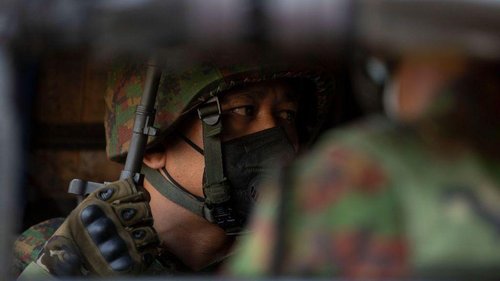
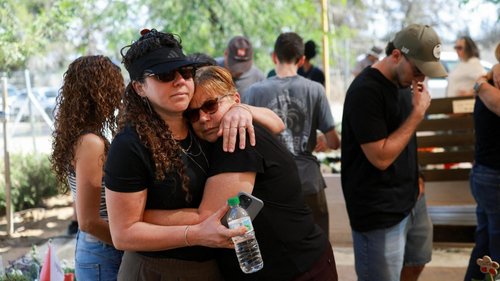
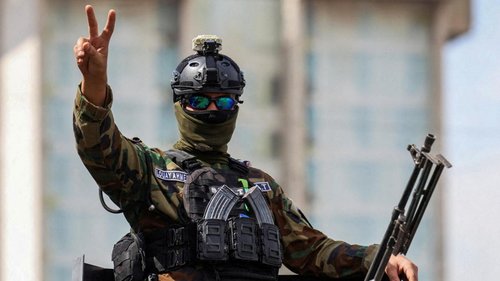
In Niger, recent attacks attributed to jihadist groups have raised alarms, highlighting the inability of the military regime to ensure safety following its coup nearly 18 months ago. The takeover, which occurred in July 2023, was marked by promises from the military leaders to address the country's escalating violence predominantly involving Islamist insurgents.Instead, the situation has reportedly worsened. There have been numerous assaults on both military personnel and civilians, including a tragic incident resulting in the deaths of more than 20 bus passengers. Data from the Armed Conflict Location and Event Data (A.C.L.E.D.) indicates that violence against civilians has nearly doubled since the coup, compared to the 18 months prior.The junta in power after expelling foreign troops, including those from France and the U.S., has sought military assistance from Russia and maintained ties with Turkey, which has been providing drones. However, political analysts argue that the current government lacks a comprehensive strategy to combat the rising tide of terrorism. Rahmane Idrissa, a political scientist from Niger, emphasized that there is no real approach beyond mere forceful tactics. As the frequency of attacks continues to escalate, many Nigeriens are left questioning the capability of their military government to restore peace and security in a nation that remains one of the epicenters of jihadist violence in the region. The implications of the worsening security situation have sparked discussions about the reliability of military governance amid ongoing threats from extremist groups like the Islamic State and Al Qaeda.