In brief
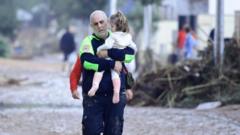
Recent flooding in Spain has raised urgent concerns among scientists regarding the impact of climate change on extreme weather events. Researchers highlight that rising temperatures have heightened rainfall intensity, with implications for infrastructure and disaster preparedness.
The recent floods in Spain have provided a stark example of how climate change can amplify extreme weather events. As excessive rainfall inundated cities like Valencia, researchers were quick to note that while no single event can be definitively attributed to climate change, the potency of these storms has been undeniably enhanced by a warming climate. Dr. Friederike Otto from Imperial College London stated, “No doubt about it, these explosive downpours were intensified by climate change.” She leads an international team dedicated to analyzing the interaction between global warming and extreme weather phenomena.The immediate cause of the intense rainfall has been traced back to a natural weather pattern known as "gota fría," which typically occurs during Autumn and Winter in Spain. This phenomenon sees cold air collide with the warmer air over the Mediterranean Sea, which has recorded unusually high temperatures in recent years. As this hot air rises rapidly, it forms towering clouds that result in significant rain — a process that climate change is believed to amplify by allowing the atmosphere to retain more moisture. Research indicates that for every 1°C of warming, the clouds can carry 7% more rain.While the immediate response to the floods has highlighted the role of climate change, it has also sparked discussions about soil conditions. According to Prof. Mark Smith of the University of Leeds, hotter summers can dry out soils, further limiting their capacity to absorb rainfall. This lack of absorption contributes to increased runoff into rivers and waterways, exacerbating flooding. Additionally, ongoing debates among scientists suggest that climate change may be slowing storm movements, leading to prolonged periods of heavy rainfall over affected areas.The parallels between the floods in Spain and recent weather events across Europe, such as Storm Boris, which was also intensified by Mediterranean heat, illustrate a concerning trend. Storm Boris was deemed twice as likely to occur due to climate change, highlighting the broader implications of this issue across the continent.However, the urgency for precise weather warnings in Spain has drawn criticism. The sudden onset of these intense thunderstorms and flash floods underscores the challenges faced by meteorologists in predicting the exact locations of maximum rainfall. “Warnings can be a lifesaver in helping people to seek higher ground and safety before a flood,” stated Dr. Linda Speight from the University of Oxford. Despite advancements in forecasting technology, accurately predicting the paths of these fast-moving storms remains a complex issue.Furthermore, the infrastructure that supports Spanish cities has not been updated to accommodate the frequency of such intense flooding. Critics have pointed out that most roads, bridges, and drainage systems were designed based on climate conditions of the past, leaving them ill-equipped to handle the severe weather events that climate change has wrought. This situation calls for a thorough reevaluation of urban planning and disaster preparedness in the face of a changing climate.