Anthony Fauci Invokes Fifth Amendment in Senate Hearing on COVID Origins
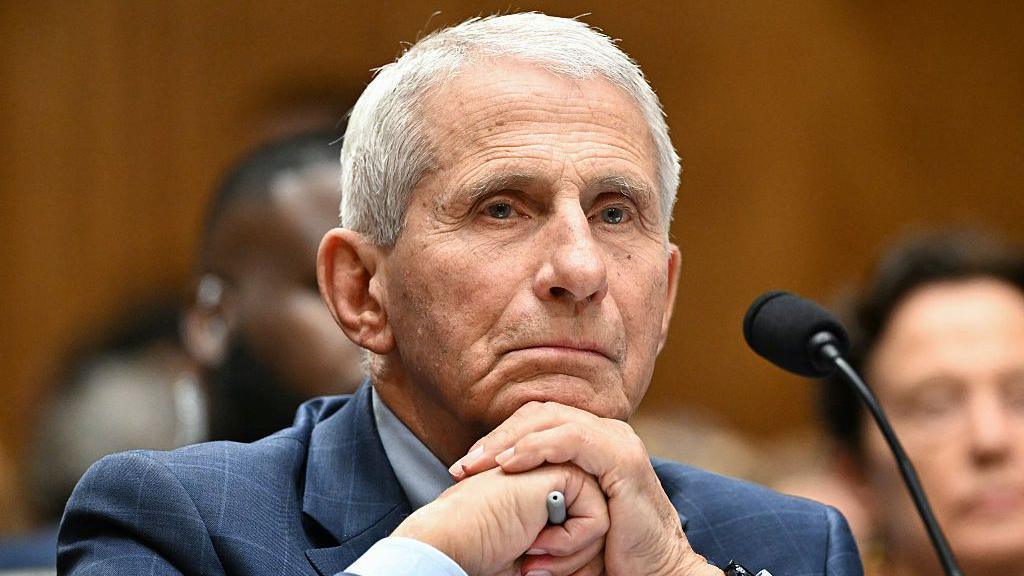
Former chief medical officer Anthony Fauci chose not to answer questions about the origins of the COVID‑19 pandemic during a Senate hearing, citing a fear that Republican lawmakers might try to use his testimony to pursue criminal charges.
The senior scientist said he could be targeted for perjury, so he exercised his constitutional right to refuse to testify. His decision has inflamed an already heated debate in Congress, with hard‑line Republicans accusing him of hiding evidence of a laboratory leak and several Democrats defending his right to raise concerns without fear.
The hearing follows the release of more than 1,000 pages of Fauci’s diary entries from 2020, which documented his early uncertainty about the virus’s source. Fauci’s spokesperson noted that while the entries showed an open mind, they ultimately leaned toward a natural animal‑to‑human transmission.
Senator Rand Paul led the questioning, arguing that the entries contradicted Fauci’s public statements, whereas Sen. Maggie Hassan and other Democrats warned that the hearings seemed designed to "entrap" him. The dispute reflects broader U.S. disagreements over COVID policy and vaccine mandates.
Fauci’s refusal to answer questions echoes his long‑standing stance on maintaining scientific integrity in the face of political pressure, and it marks a rare moment of constitutional intervention in the Senate’s investigative process.