
In brief
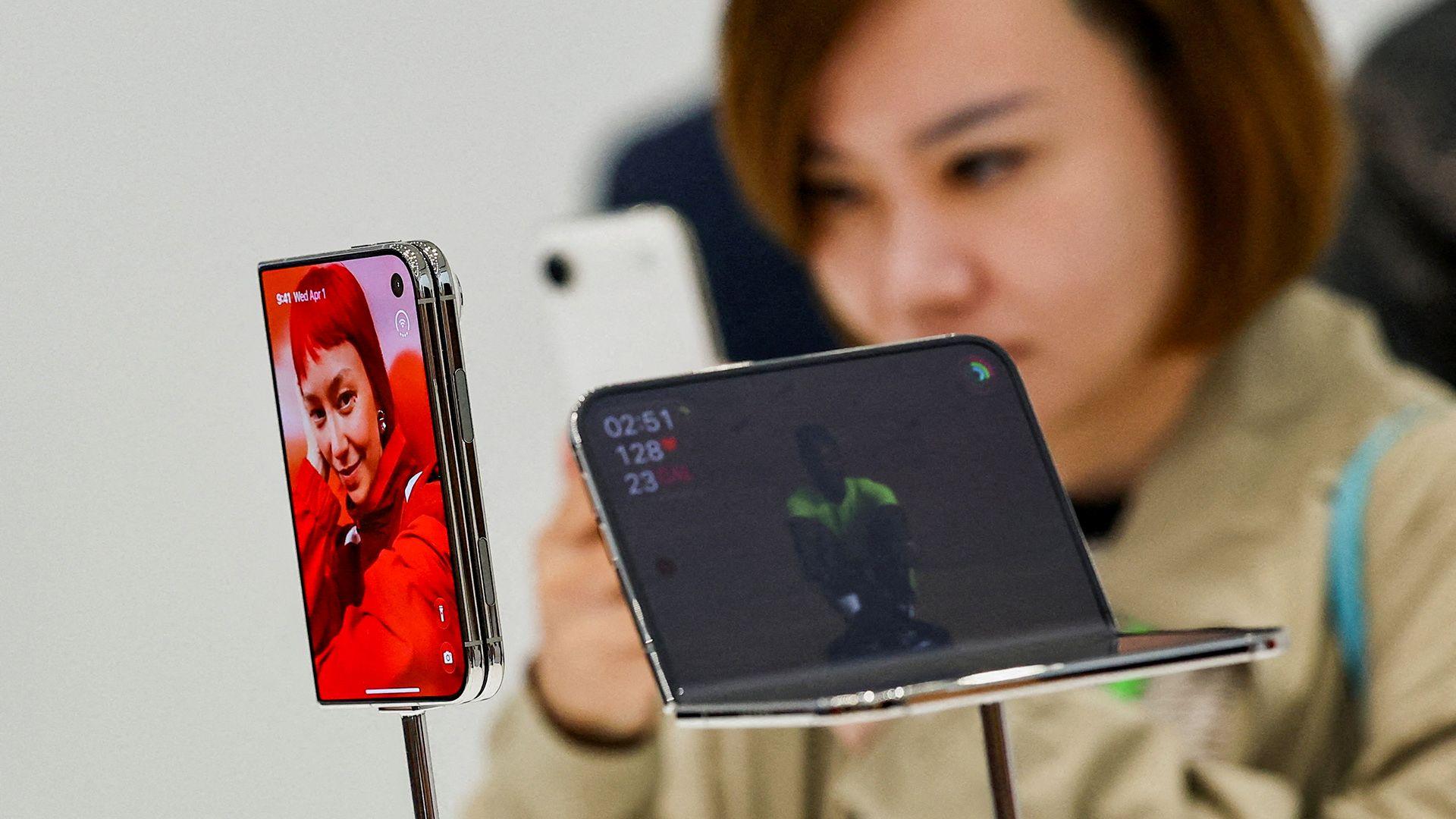
Apple has introduced the iPhone Duo, a foldable handheld priced at £1,999 – the most expensive iPhone yet – marking the first major design shift in two decades. The new device, unveiled by CEO John Ternus, aims to beat rivals like Samsung and Huawei in a market that currently accounts for just a few percent of smartphone sales. Ternus promotes the Duo as a “new experience” that combines a mini‑iPad and an iPhone, while also revealing AI‑powered Siri features that run on device for privacy. Analysts caution that the premium price may limit mass adoption, but call the launch a critical step for Apple’s innovation strategy.
Apple has launched its most expensive iPhone ever – the foldable iPhone Duo, available in the United States from $1,999 (about £1,999) and up to $3,200 in premium configurations. This marks the first major iPhone design change in almost 20 years and signals a bold new direction under CEO John Ternus, who took the helm from Tim Cook earlier this month.
Ternus described the Duo as “the first real foldable phone that feels like a single device” rather than a pair of phones stuck together, arguing it will redefine the foldable user experience. The phone folds to reveal a small iPad‑sized tip and a wider iPhone, and Ternus says it feels familiar, about the size of a passport, and comfortable to use with one hand.
The foldable smartphone market is still niche, with Samsung and Huawei leading the way. IDC EMEA estimates that foldables account for only 2% of all phone sales, and Apple’s launch could lift that to roughly 4% over the next decade. Despite that, analysts note the high price risk could turn the product into a premium ornament that offers badge value but little organic growth.
Alongside the new form factor, Apple announced the iPhone 18 and 18 Pro Max, starting at $1,199 and $1,299 respectively. These models include a revamped Siri – now dubbed Siri AI – that can scan a user’s phone for information such as emails and messages, offering hands‑free assistance while promising that all personal data remains on device for privacy.
Ternus emphasised that privacy remains a priority: …not even Apple can access what's yours – an important point for consumers wary of data leakage in a new AI‑heavy ecosystem.
, keywordsList: [

