Arrest Made in Mississippi Hanging Death: Community, Police, and Congressional Reaction
Police in the U.S. state of Mississippi recently arrested a suspect in connection with the death of Tasia Fortune, a 29‑year‑old black woman who was found hanged from a tree in an abandoned‑home lot in Jackson in August. The arrest marks a key development, but investigators say the case remains active and more people could be taken into custody.
The Jackson Police Department confirmed the death is a homicide, and a murder charge is expected. Police Chief RaShall Brackney said the suspect, Jarques Ratliff, 51, has an “association” with Fortune but stopped short of detail, noting the investigation is still underway.
Fortune’s mother, Christy Spivey, expressed a mix of relief and uncertainty when she learned of the arrest. She thanked the police for the update but cautioned that “I just hope that they've got the right person.” The sense of frustration stemmed from weeks of limited communication between the family and local police, with voicemail messages left unanswered.
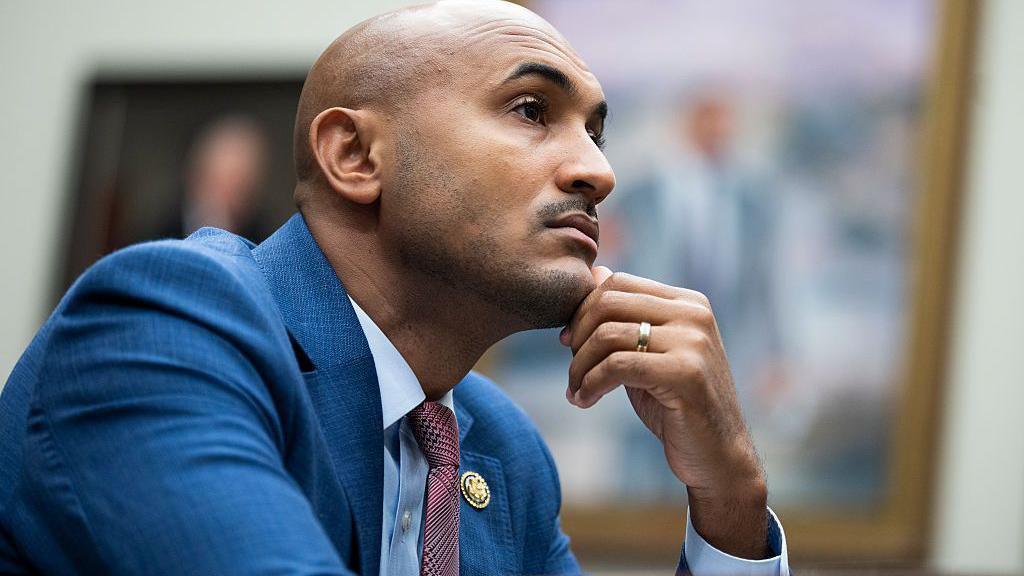
There is a growing national conversation about such incidents. A letter sent by more than 50 members of Congress to the FBI and Justice Department points to a pattern they describe as “possible modern‑day lynchings,” evidencing over 70 documented lynchings in the twenty‑first century and a troubling surge in reported hangings of black people. The letter calls for independent scrutiny of the deaths.
Jackson, a majority‑black city, is steeped in a history of racial violence. The horrific nature of Fortune’s death, coupled with the state’s past, has amplified community concern and demanded a swift investigative response. Local officials, including the mayor, have been pressed to explain the slow pace and provide clearer communication.
The case sits at the intersection of law enforcement procedures, civil rights advocacy, and historical context. While police advance with arrests and investigations, activists underscore systemic inequities and the urgent need for accountability. International observers note that the U.S. approach—balancing local jurisdiction, federal oversight, and community engagement—mirrors challenges seen in other nations addressing historical injustices.
As authorities continue to investigate, the broader discourse will likely focus on the mechanisms that allow such tragedies to unfold, the accountability of those in power, and the pathways toward ensuring justice for all communities affected by racially motivated violence.