In brief
In Brisbane, a 34‑year‑old mother delivered four identical girls at 28 weeks via Caesarean, a medical rarity predicted by obstetrician Dr Alexa Bendall. Named Emily, Harriet, Catherine and Alexa, the babies share a placenta – an unprecedented scenario. They are currently thriving in the neonatal intensive care unit while their parents launch a fundraiser to buy a multi‑seat van for their growing family. This case highlights the extraordinary challenges and emotional triumphs associated with naturally conceived quadruplets.
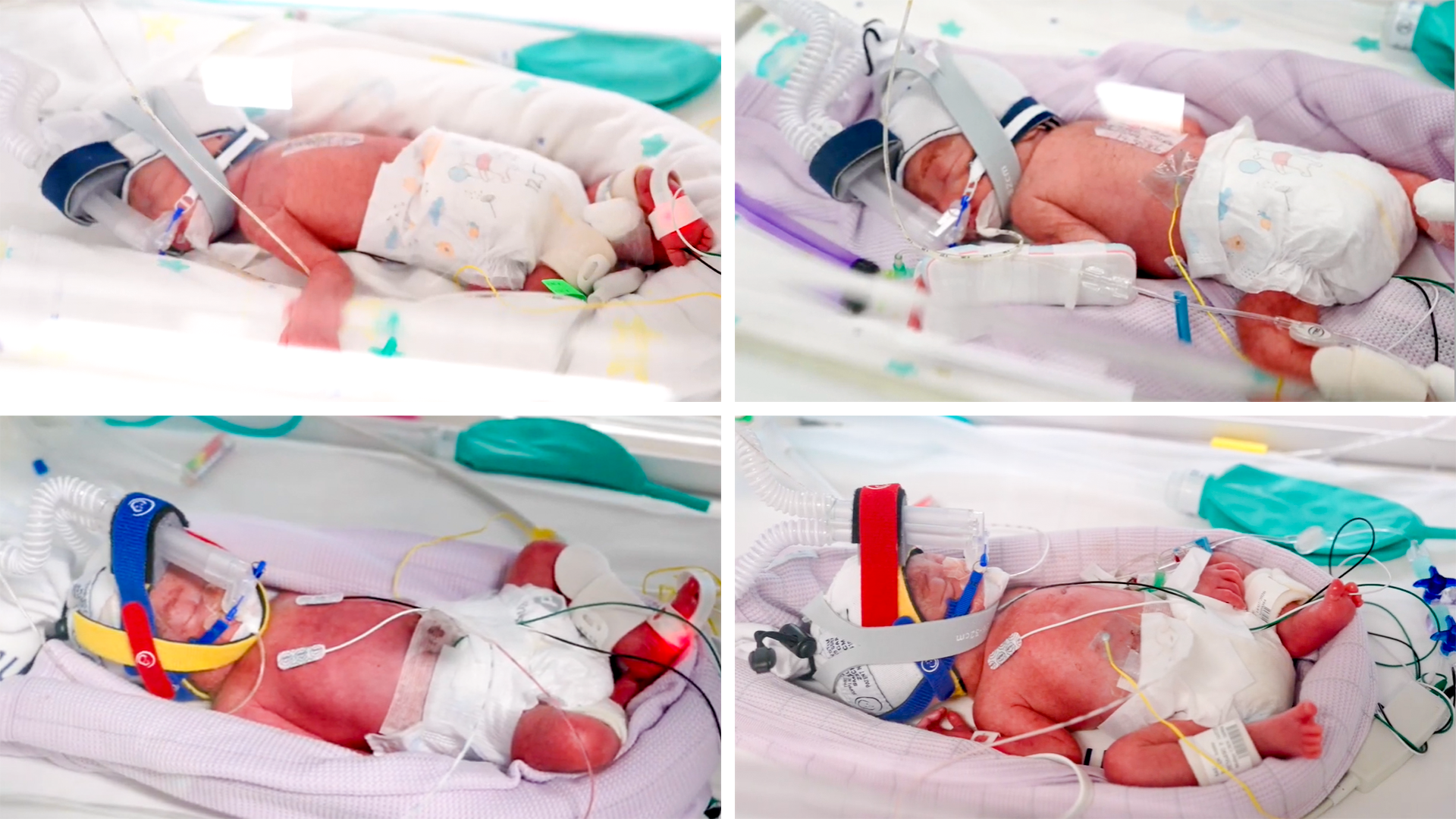
A 34‑year‑old Australian woman gave birth to four identical girls on 14 July after a high‑risk pregnancy that was monitored by doctors at the Royal Brisbane & Women’s Hospital. The babies, delivered by Caesarean section at 28 weeks and 4 days, are the first known case in which all four share the same placenta.
According to Maternal Foetal Medicine Specialist Dr Alexa Bendall, identical quadruplets occur roughly once every 15 million pregnancies, and simultaneous sharing of a placenta is “unheard of”. She noted that the pregnancy’s very high risk warranted continuous inpatient monitoring from 25 weeks.
The newborns, now named Emily, Harriet, Catherine, and Alexa, are currently in the neonatal intensive care unit (NICU). Dr Bendall expressed optimism: “If we can get her to 28 weeks, we would be doing well,” she said, and “the fact that we’ve got four beautiful, healthy babies born at 28 weeks and 4 days is incredible.”
The family already has four older children aged between one and ten years. To accommodate the new members, the mother launched a GoFundMe campaign to buy a van with at least ten seats. The fundraiser has attracted over A$37,000 (about £19,261) in donations.
Dr Bendall’s estimates place the odds of naturally conceived quadruplets at about one in 700,000 births, underscoring the rarity of this birth. The family’s emotional journey—balancing excitement with the practical challenges of caring for four newborns—has been described as “overflowing with gratitude” yet fraught with unforeseen complexity.
For parents and medical professionals alike, this case draws attention to the advances in prenatal care, the adaptability of the human body in carrying multiple pregnancies, and the strength required to manage these extraordinary outcomes.