In brief
Bangladesh officials have demanded details from Saudi Arabia after two Bangladeshi nationals were executed in Mecca for an undisclosed “indecent act.” The Saudi interior ministry confirmed the deaths but offered no specifics about the offense. Bangladesh has requested additional information and is weighing possible repatriation of the bodies. The incidents take place amid long‑standing diplomatic ties and a large Bangladeshi diaspora in Saudi Arabia, while highlighting Saudi Arabia’s use of discretionary punishments and its record of foreign executions.
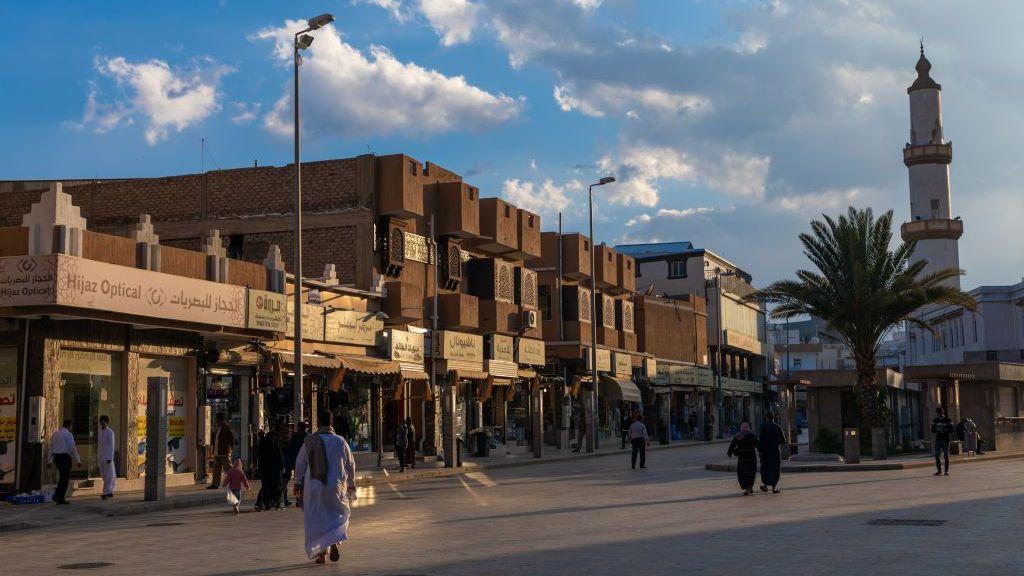
Bangladesh says it was not informed of the recent execution of two Bangladeshi nationals in the holy city of Mecca until after it had taken place, according to local media.
The Saudi interior ministry confirmed that a Bangladeshi man and woman were executed last Wednesday for an "indecent act" inside a mosque, though it did not disclose the specifics of the offense.
Bangladeshi officials have reached out to the Saudi government to request further details and are deliberating next steps, including potential repatriation of the bodies, the state minister for foreign affairs said.
The two countries share a close religious link and a sizeable economic relationship, with more than three million Bangladeshis working in Saudi Arabia, mostly in low‑paying jobs. The deaths have stirred public concern in Bangladesh.
According to the Saudi ministry, the nationals were sentenced under "tazir," a discretionary punishment in Islamic law, for the severity of the offense and the violation of the mosque’s sanctity.
This episode follows a pattern of foreign nationals facing execution in Saudi Arabia. Amnesty International reports around 100 executions this year, many involving foreigners convicted of drug offenses.
In 2011, Bangladesh was also in the news when eight of its men were publicly executed in Riyadh for killing an Egyptian. Earlier this month, a death sentence for a Sri Lankan man was overturned after diplomatic pressure.