
In brief
Bangladesh’s first foreign trip by the BNP government signalled a pivot toward China for investment and water‑management deals, while the country also works to ease diplomatic tensions with India. A proposed joint study on the Teesta River and a special economic zone near Mongla port are flagship projects that highlight Dhaka’s strategic outreach. At the same time, bus services, tourist visas and emergency fuel supplies from India point to a softening of relations after the 2024 upheaval that saw former Prime Minister Sheikh Hasina flee to Delhi. However, disputes over migrant movements, historic border unsettled by China‑India rivalry, and India’s focus on the deposed Hasina keep the diplomatic balancing act complex.
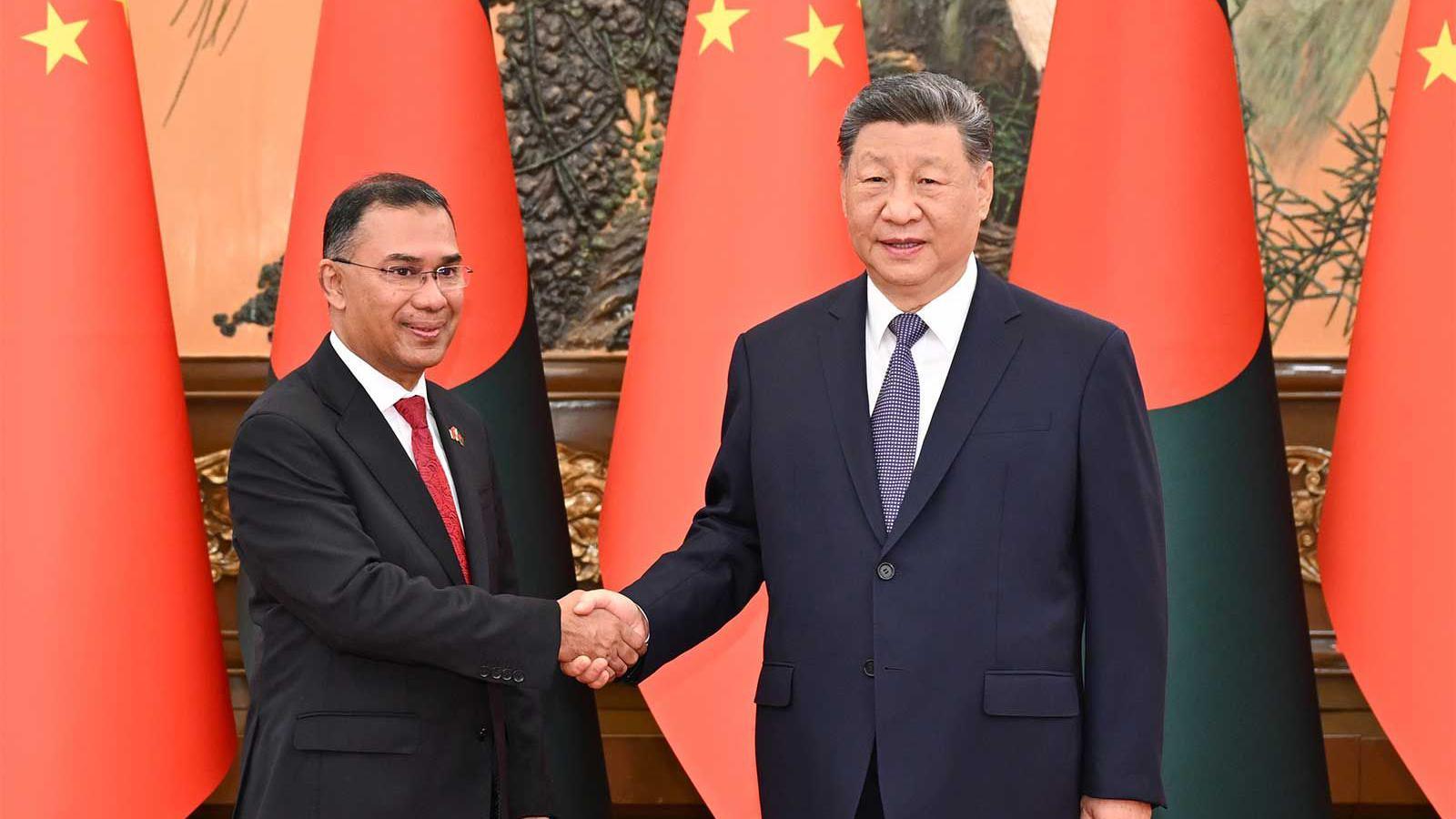
Bangladesh’s first foreign trip by the newly elected BNP government signals a shift in Dhaka’s priorities. Prime Minister Tariq Rahman flew to Malaysia and then Beijing last month, underscoring a strategic pivot toward China for investment and technical cooperation while signalling a renewed effort to rebuild relations with India.
In Beijing, Rahman secured agreement on a joint technical feasibility study to manage the Teesta River, a critical shared water resource between Bangladesh and India that has long stalled in treaty negotiations. China’s involvement, viewed in Bangladesh as a pragmatic way to bring expertise and funds, forms part of a larger plan that includes a China‑Myanmar‑Bangladesh economic corridor and a special economic zone near Mongla port on the Bay of Bengal.
The Teesta project—and the promise that Chinese engineering will navigate the river’s challenges—has stirred debate in Islamabad, where the chain of water‑sharing agreements is intertwined with security concerns around the militarised Siliguri Corridor. Beijing’s spokesperson emphasized that the project is free of third‑party influence and intended solely for Bangladeshi and Indian benefit, while India has urged caution over any Chinese military‑industrial penetration near its border.
Dhaka‑India relations have dramatically thawed since the August 2024 overthrow of former Prime Minister Sheikh Hasina and her subsequent exile in Delhi. The interim government led by Muhammad Yunus avoided high‑level visits, but the new Rahman administration has begun to restore economic ties. Delhi is now issuing tourist visas to Bangladeshis, and cross‑border passenger bus services between Kolkata and Dhaka, as well as Dhaka and Agartala, have resumed after an 18‑month gap.
India has also surprised Bangladesh by sending emergency fuel via the Friendship Pipeline during the early‑2024 Middle Eastern conflict, reflecting a pragmatic stance toward Dhaka’s energy needs. Settlement of trade accountances remains uneven—Bilateral trade last year was around $13 bn, skewed largely in India’s favour—yet it reflects an undercurrent of cooperation in the wake of the 2024 crisis.
Not all matters have softened. Bangladeshi officials accuse India’s Border Security Force of pushing thousands of Bengali‑speaking Muslims into Bangladesh without lawful repatriation procedures, a move the government frames as a violation of border and migration policy. Parallel campaigns in Indian West Bengal’s elections by Hindu‑nationalist politicians cast anti‑Bangladesh rhetoric that has stirred public dissatisfaction in Dhaka, adding further strain to an already changing relationship.
The political history behind the relationship still looms large. Sheikh Hasina was convicted in absentia on charges of crimes against humanity, and Dhaka has demanded her extradition from Delhi. Hasina’s presence in India makes it challenging for Rahman to surface in Delhi, though both sides have recognised the strategic imperatives of normalising ties for regional security in the North‑East.
The current Dhaka government faces a delicate balancing act: courting China for economic and water‑management expertise while re‑engaging India to restore cross‑border economic traffic and address security concerns. The outcome will shape Bangladesh’s role in a region where economic corridors, maritime routes and geopolitical rivalries intersect.

