In brief
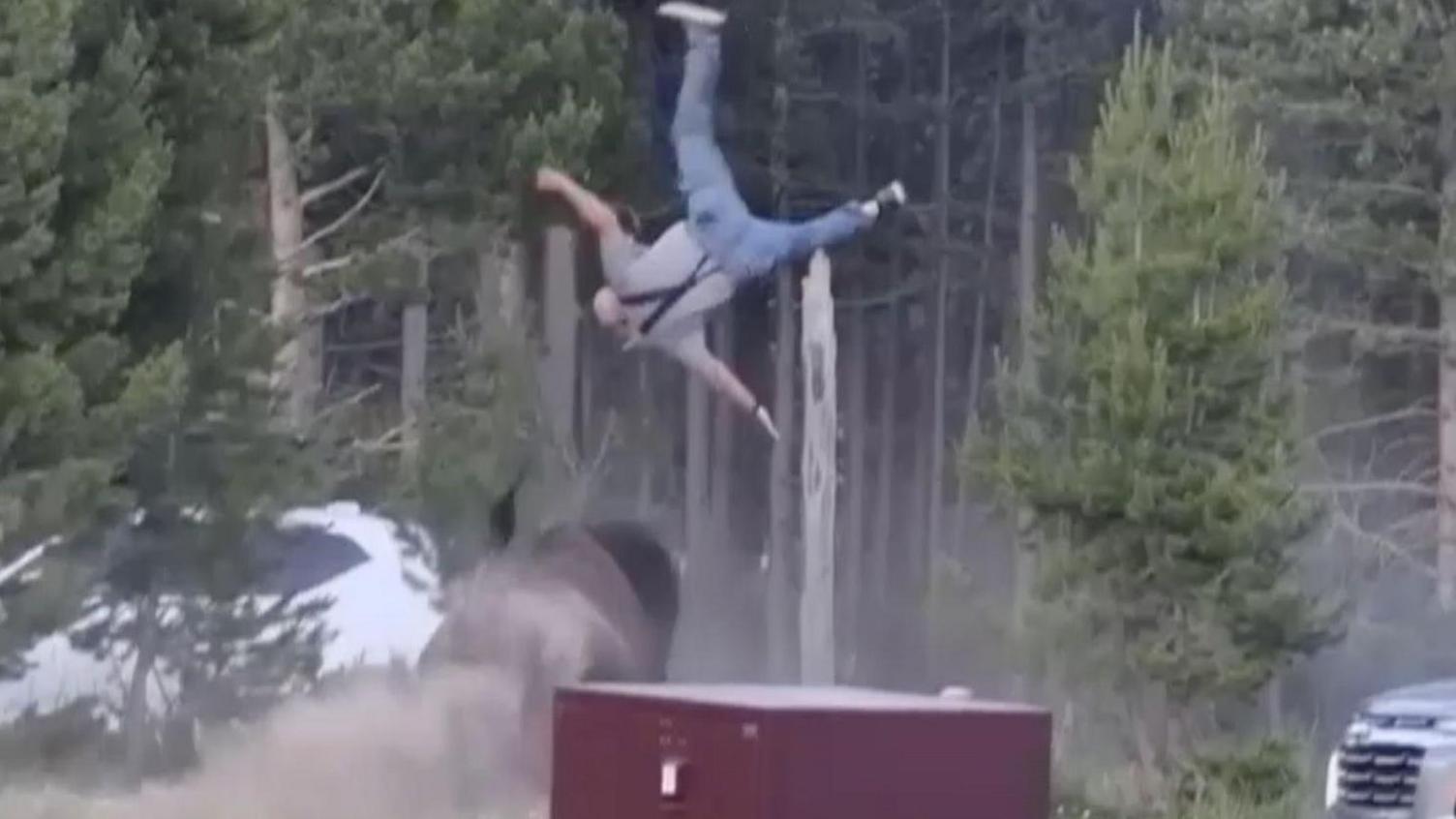
A 2,000‑pound bison in Yellowstone’s Bridge Bay Campground hit an elderly man, catapulting him several metres in the air. Witness footage caught the encounter and the animal’s subsequent chase. Local media identified the victim as 65‑year‑old Carl Isom‑McDaniel, who suffered injuries and was hospitalized. The incident occurs during peak tourist season and over the bison’s mating period, heightening concerns over visitor safety. National Park Service guidelines recommend staying at least 25 yards from bison and avoiding photos near them.
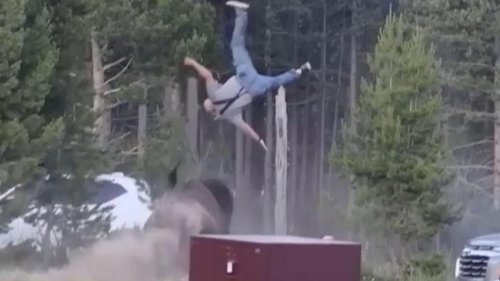
A 2,000‑pound (900‑kg) bison leaped at an elderly man in Wyoming’s Yellowstone National Park, knocking him into the air and sustaining injuries. The incident was filmed by a boy and his grandfather who were photographing the animal before it charged. The victim, identified as 65‑year‑old Carl Isom‑McDaniel, was taken to a hospital; details on his condition remain in the public domain.
The event took place at Bridge Bay Campground near Yellowstone Lake, in the final hour before sunset. Witnesses described the bison’s behavior—flopping on its side, hopping to its feet, then attacking—while a nearby truck driver fled after the bison struck the vehicle.
National Park Service (NPS) guidelines urge visitors to remain at least 25 yards (23 m) from bison and to never attempt to photograph a bison up close. “Bison may appear tranquil, but these large animals have injured more people in Yellowstone than any other species,” the NPS notes on its website.
The attack coincides with the busiest summer months, during which nearly 60 % of Yellowstone’s annual visitors arrive. It also overlaps with the bulls’ mating season, a period when male testosterone levels peak, making them more aggressive. Colorado State University scientist Jennifer Barfield stresses that the increased indusability of the animals warrants heightened caution.
From a wildlife management perspective, the NPS continues to monitor bison populations and incidents, balancing conservation with visitor safety. From a tourism viewpoint, park officials emphasize the importance of following safety protocols; from a community safety angle, local media highlight the need for public awareness of animal behavior and emergency response plans.
The incident underscores a broader conversation about human-animal interactions in natural settings, reminding park visitors that while bison are iconic, they are also powerful and unpredictable creatures. Continued public education and safety enforcement remain key to minimizing future injuries.