In brief
Tata Group, India’s most valued brand, faces a rare public showdown between its two main bodies. The dispute centers on whether to list Tata Sons and the reappointment of N Chandrasekaran. Chairman Noel Tata’s opposition signals a constitutional crisis, while the rest of the board supports the plans. This internal friction may test the trust that has underpinned the group’s decades‑long reputation. Stakeholders from customers to investors are watching closely as the conflict unfolds.
Before dawn breaks over Mumbai, local vendor Mansi Kadam prepares vada pav with a single ingredient that defines her loyalty: Tata salt.
Her unwavering brand allegiance belies the tension brewing inside one of India’s most respected conglomerates. The Tata Group, whose roots extend back to Jamsetji Tata’s 1868 founding, now finds itself at a crossroads over two core issues: the proposed public listing of Tata Sons and the reappointment of board chairman N Chandrasekaran.
'This is not a routine corporate dispute,' says Shriram Subramanian, a corporate governance analyst. 'It reflects a mis‑alignment between the board of Tata Sons and its principal shareholders, the Tata Trusts.'
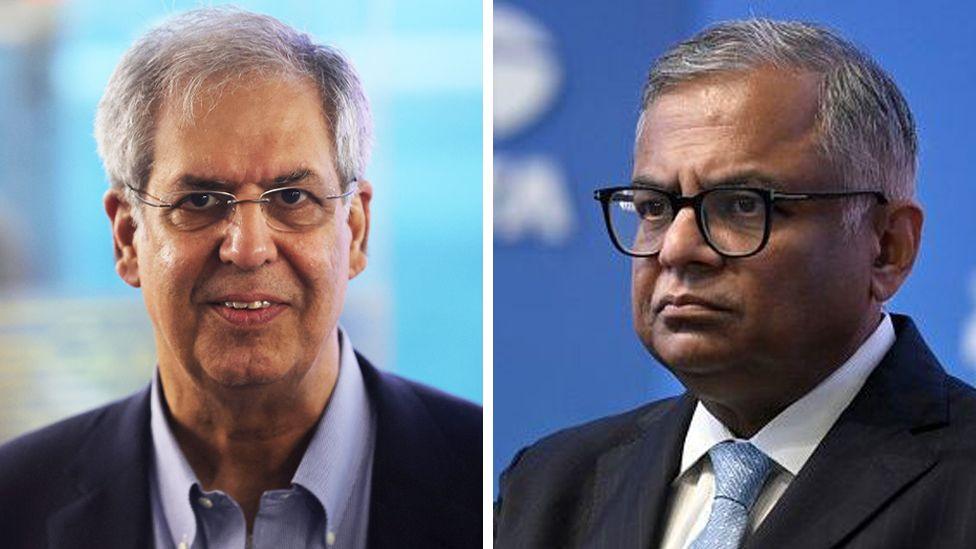
Chairman Noel Tata—head of the Trusts that hold 66.5% of Tata Sons—has openly opposed both proposals. He argues that a listing could dilute the group’s philanthropic ethos, while the majority of the board, including the SP Group, backs the motion.
The conflict echoes a series of past controversies, from the 2021 Supreme Court ruling that reinstated former chairman Cyrus Mistry to recent protests over industrial projects and spectrum allocations. Yet what makes this episode distinct is the public nature of the feud, with both sides issuing legal notices and conflicting statements.
'The Tata Group has traditionally stayed out of the spotlight,' notes Harish Bijoor, a brand‑strategy consultant. 'Now, the boardroom battle is spilling into the public eye, dividing stakeholders that once rallied around a unified brand narrative.'
From a cultural lens, many Indian consumers view the Tata name as synonymous with trust and integrity—a perception that the current rift threatens. In contrast, some business partners perceive the dispute as a necessary power realignment, while investors remain concerned about potential market volatility.
In seeking resolution, Noel Tata has proposed two alternatives: a buy‑back of the SP Group’s minority stake to buy out monetisation demands, and a restructuring of Tata Sons that could alter its classification and prevent a listing. Whether these measures will gain traction is unclear, given the lack of consolidated traction since Ratan Tata’s passing.
'The Tata Group’s future will hinge on navigating this internal division,' says Witzel, a leadership fellow. 'Its reputation for transparency must not erode, especially as the brand sets a benchmark for corporate governance in India.'