Bologna Protests Erupt After Moroccan Man Dies During Police Restraint
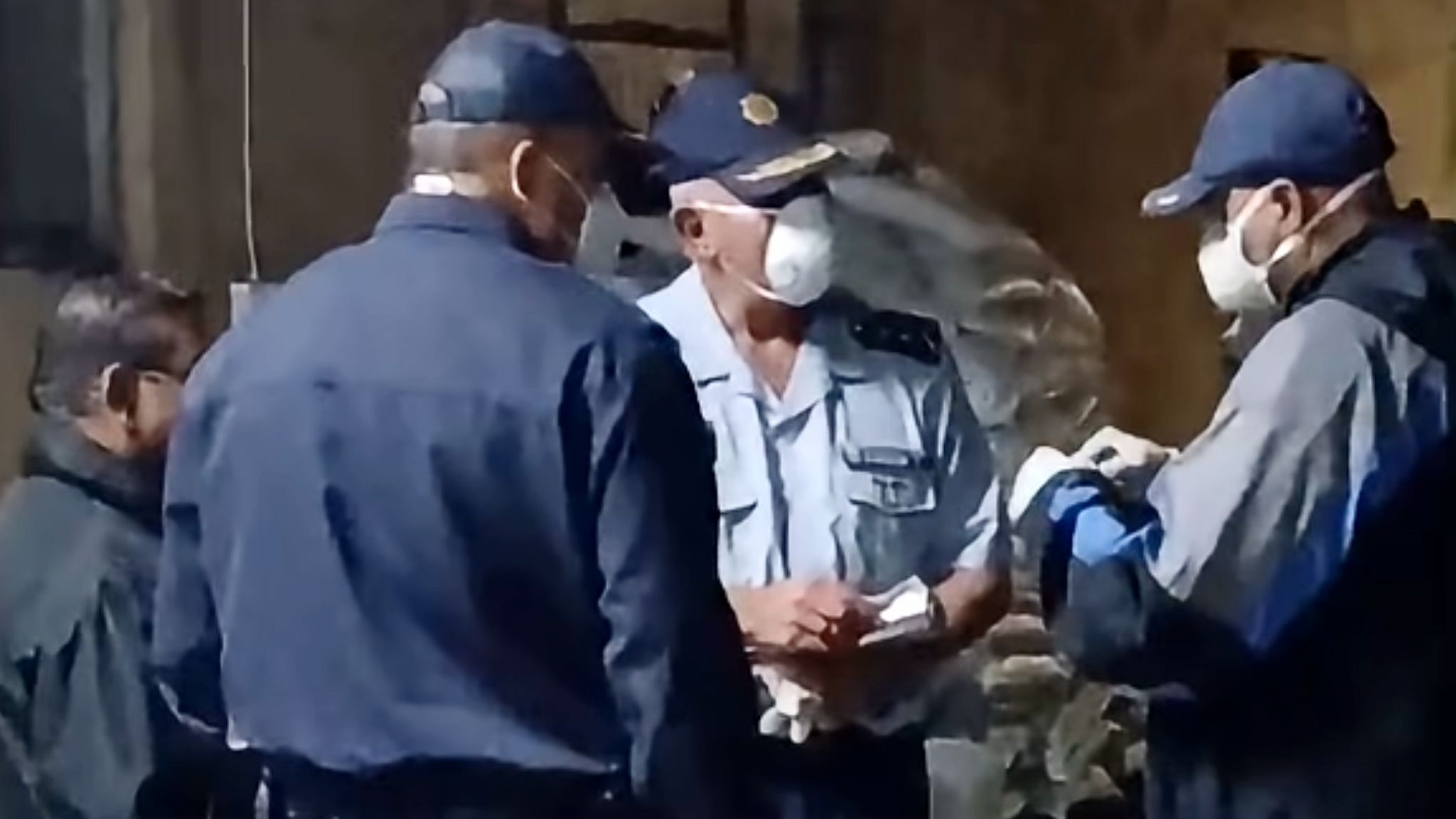
The city of Bologna was thrust into national attention on Monday night when Abderrahim Fakir, a Moroccan‑born resident, collapsed and later died after police officers restrained him in a suburb of Pilastro. Video footage captured police using pepper spray and physically holding Fakir down to the ground before he lost consciousness. The incident has prompted an investigation into manslaughter for the officers involved and the medical staff on scene.
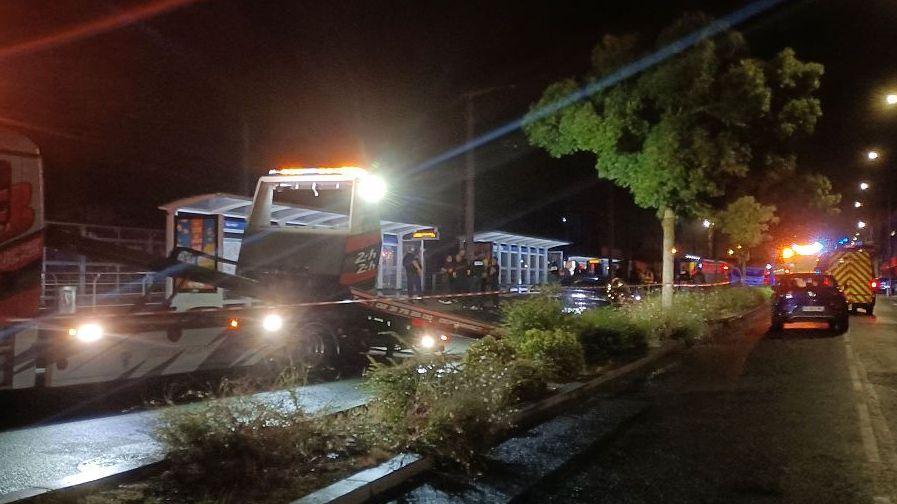
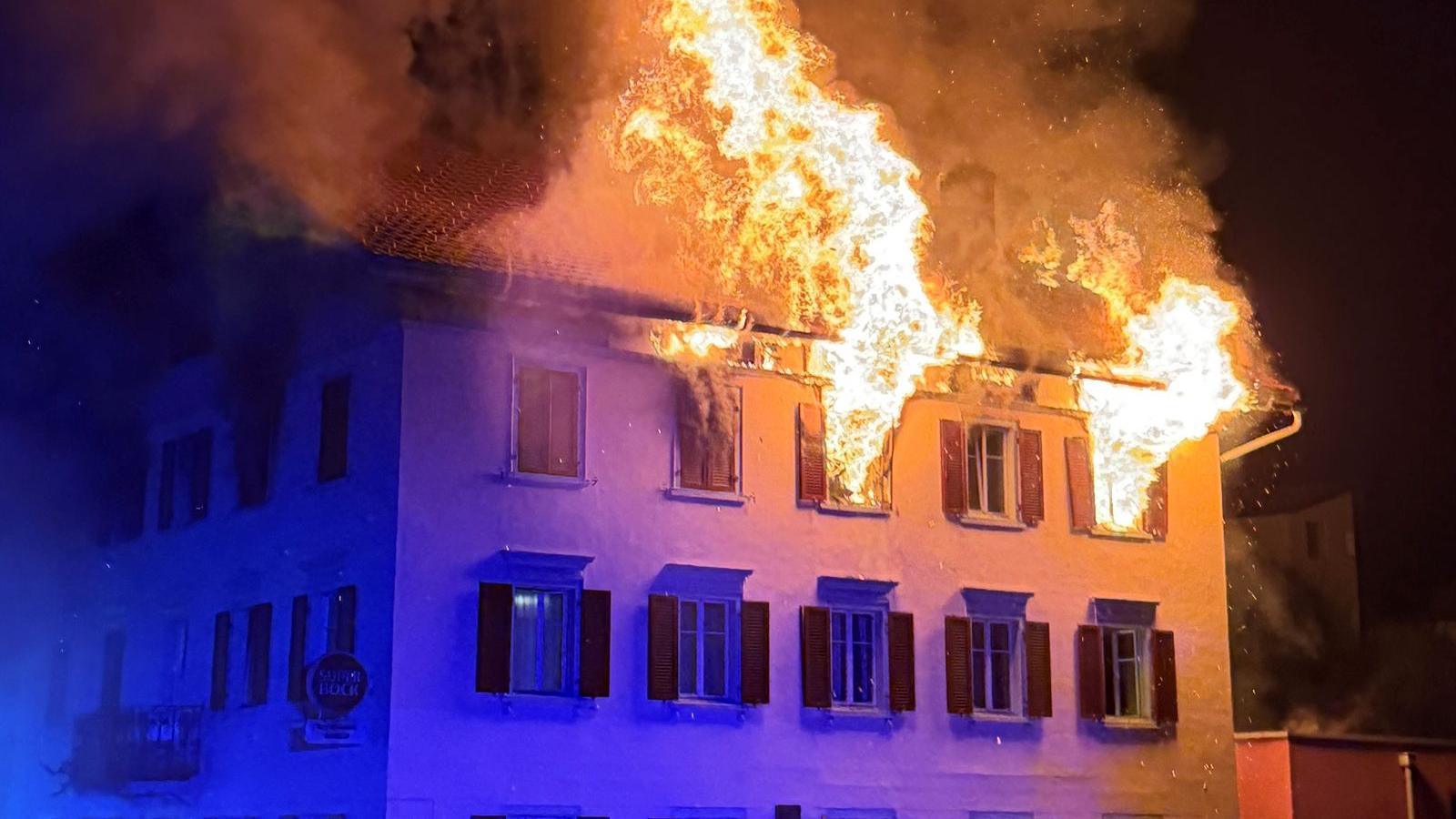
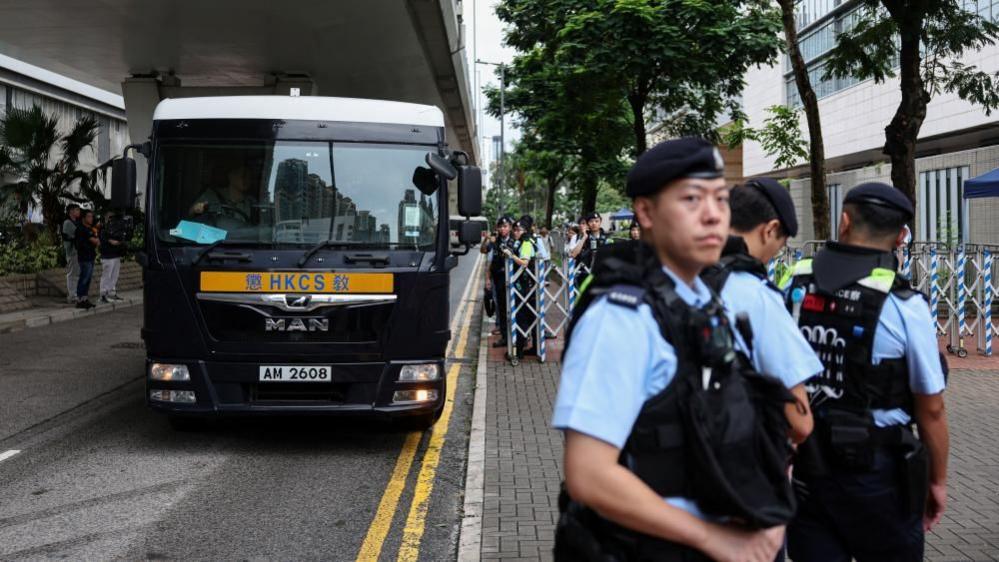
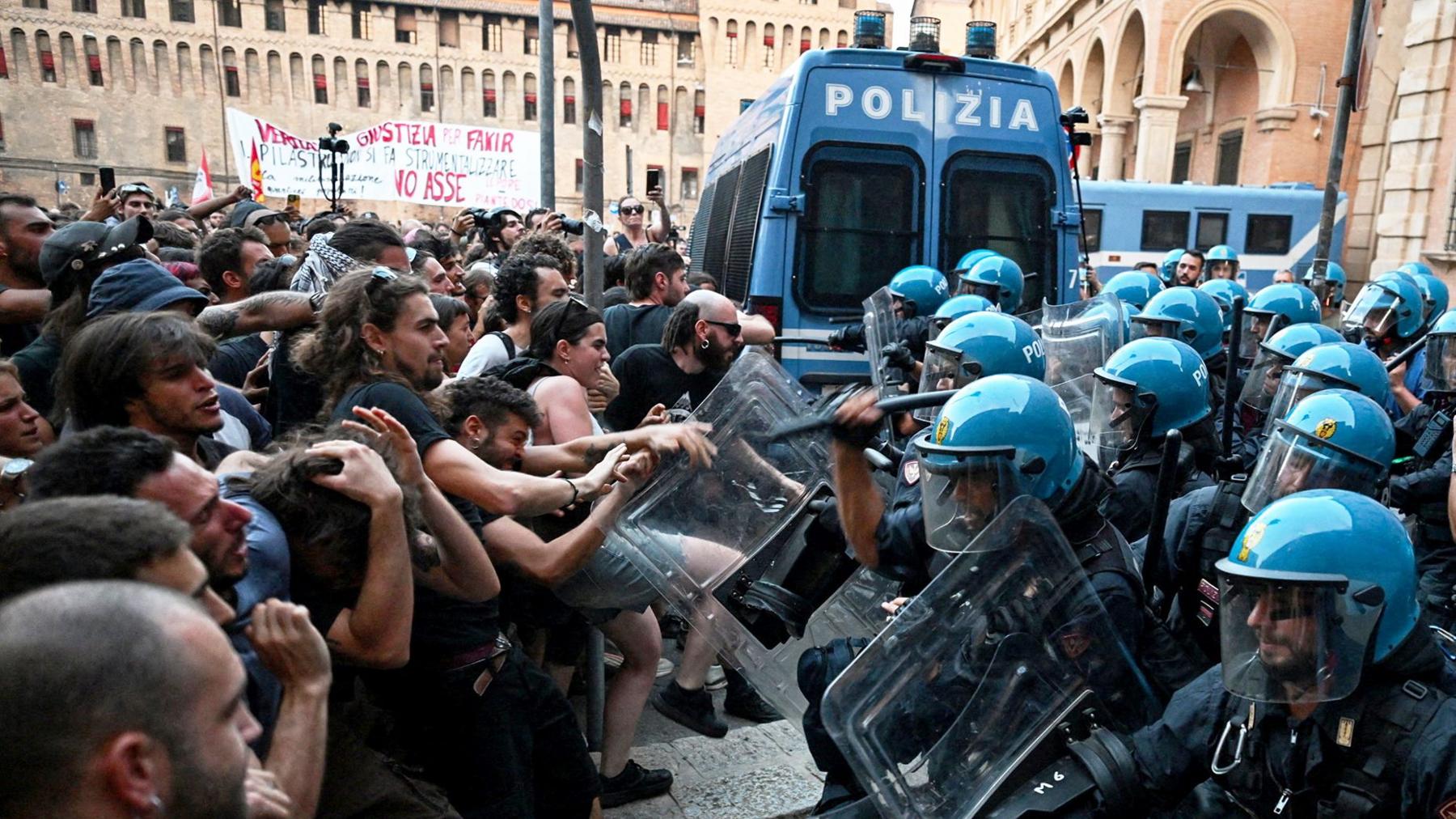
The death triggered large‑scale protests that saw several thousand citizens descend upon the city centre to demand justice for Fakir. While most gatherings remained peaceful, roughly 100 demonstrators broke away and clashed with police, setting two cars on fire and injuring 64 police officers.
Prime Minister Giorgia Meloni called the event “unacceptable” and urged a thorough investigation while rejecting any justification for violence against law enforcement. “Those who sought to use this tragedy as an excuse to burn the city and attack officers were not after truth, but confrontation,” she said. The mayor of Bologna, Matteo Lepore, described the footage as “shocking” and organised a civic demonstration the following day.
Police union chief Domenico Pianese defended the officers’ actions, insisting the use of force was not excessive and noting that Pepper spray and a civilian’s help were all that was required to subdue Fakir. He emphasised that body‑cam footage had already been hand‑over to prosecutors.
Fakir’s family, who have lived in Italy for over thirty years, described him as “hard‑working and kind.” His sister Khadija expressed that “they killed him mercilessly” and demanded the truth. His niece Yossra Fakir also spoke to local media, calling him “my uncle” and urging that his dignity be respected.
The protest signs referenced other controversial deaths, including that of Stefano Cucchi in 2009, and brought the issue into the political arena. Opposition politicians, such as Senator Ilaria Cucchi and members of the Greens and Left Alliance, criticised the government’s solidarity with police. They cited concerns about importing an “ICE model” into Italy and called for a broader reckoning on police accountability.
The aftermath of the Bologna incident continues to test the Italian government’s ability to balance civic protest, law enforcement accountability, and the rule of law. As investigations progress, the nation watches closely to see whether the calls for justice translate into concrete reforms.