
In brief
In a notable incident during King Charles III’s visit to Australia, Senator Lidia Thorpe articulated her dissent against the monarchy by proclaiming "You are not my King," emphasizing the ongoing effects of colonialism on Indigenous Australians. This action has reignited discussions on the need for treaties and reparations while revealing contrasting views within the Indigenous community regarding the monarchy's role.
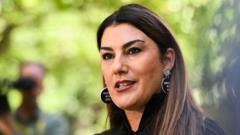
In a striking moment during King Charles III's visit to Australia, Senator Lidia Thorpe publicly expressed her disdain for the monarchy, declaring "You are not my King." A member of the Gunnai, Gunditjmara, and Djab Wurrung peoples, Thorpe has held a controversial political presence since becoming the first Aboriginal senator from Victoria in 2020, carrying a history of vocal Indigenous activism.Thorpe, who previously labeled the late Queen Elizabeth II a "coloniser" during her swearing-in ceremony, reiterated her strong stance against the colonial legacy represented by the monarchy. After being escorted out by security, she elaborated her viewpoint to the BBC, asserting that King Charles has no legitimacy over Australia, stating, "To be sovereign you have to be of this land. He’s not of this land." Her perspective echoes the historical grievances of Indigenous Australians, underscoring their experiences of colonisation and its enduring consequences, such as disparities in health and education.Thorpe's comments come amidst a backdrop of significant debate regarding the rights of First Nations people in Australia. The senator pointed out the lack of treaties—a noteworthy absence since Australia is the only Commonwealth nation that has not signed such agreements with its Indigenous population. She criticized last year's referendum on a proposed Voice to Parliament, which a majority of Australians rejected, believing it diverted attention from the urgent treaty negotiations.In contrast, some Indigenous leaders, like Allira Davis, co-chair of the Uluru Youth Dialogue, hold differing views. Davis emphasized the importance of recognizing Australia as a multicultural nation, expressing indifference toward royal visits and suggesting a preference for a republic instead. While some Indigenous Australians speak of the monarchy and colonial history with nuance, Thorpe's unyielding stance reflects a widespread call for recognition and reparations for Indigenous Peoples who suffered under colonization.This incident and its implications reveal a fragmented dialogue within the Indigenous community regarding the best path forward in addressing historical injustices, the symbolism of royal visits, and the urgent need for deeper national conversations on sovereignty and reconciliation. Despite internal disagreements, Thorpe remains resolute in her calls for a dialogue on reparations, emphasizing the importance of confronting past atrocities.


