
In brief
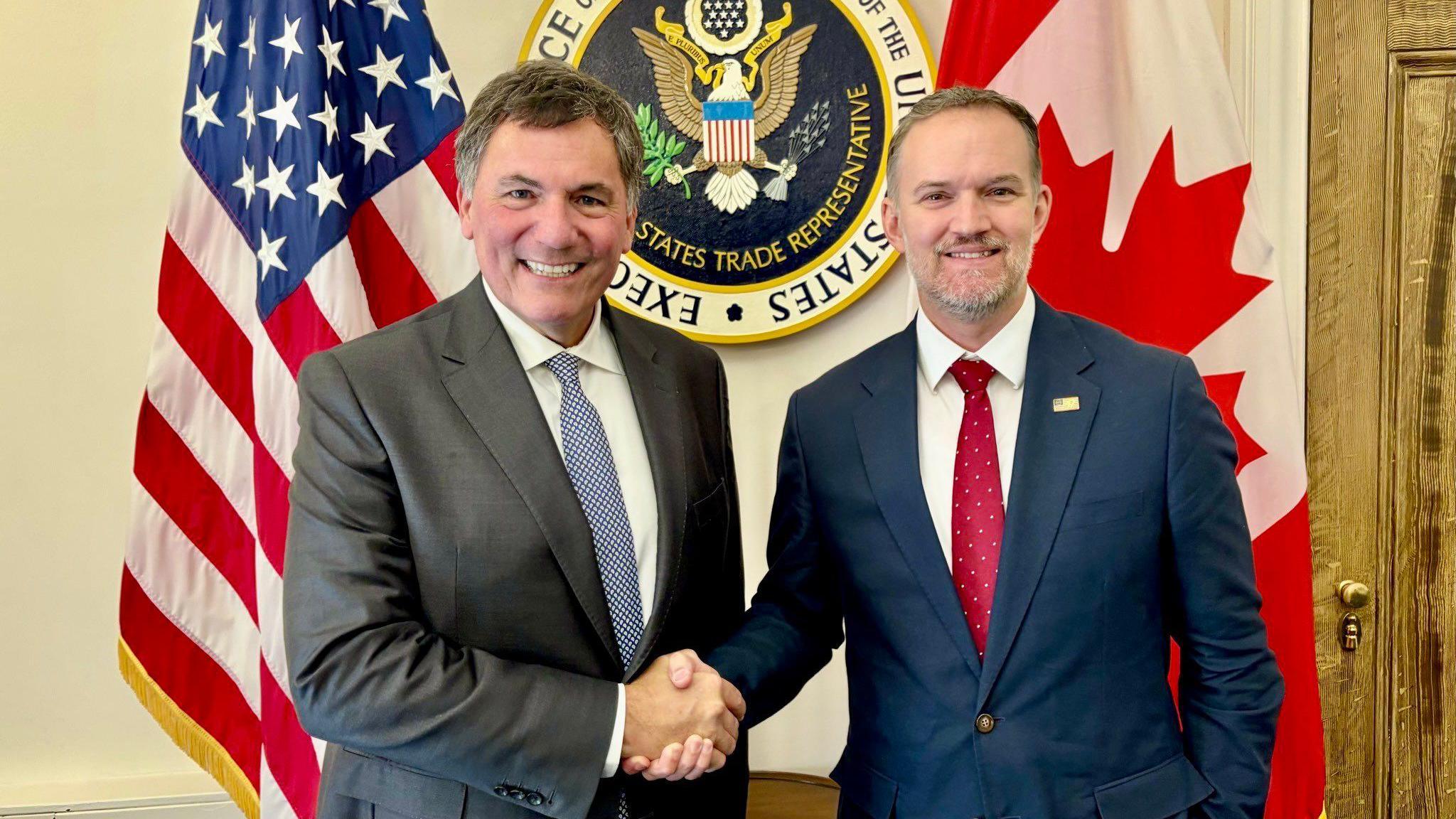
Negotiations between Canada and the U.S. are reportedly culminating in a trade agreement, but the specific terms are still vague. U.S. trade representative Jamieson Greer claims the deal will remove some longstanding irritants, while Canadian officials underscore gains for strategic sectors. Both sides have yet to disclose the extent of tariff reductions, especially concerning dairy, automotive and other sensitive industries. Analysts and business groups warn that unfinished concessions could hurt both economies, while public opinion in Canada pushes for a hard‑line stance.
Canada and the United States are reportedly close to finalising a trade accord that critics say could reshape commerce between the two nations, but the content of the agreement remains shrouded in uncertainty.
The United States Trade Representative, Jamieson Greer, stated that the deal would "eliminate some of the irritants" that have long plagued the bilateral trade relationship, while Canadian officials highlighted potential gains for strategic sectors.
Negotiators met on Wednesday for a third consecutive day following the announcement that President Donald Trump had paused a 50 per cent tariff increase on a range of Canadian goods—an action that had been threatening to be implemented.
Nonetheless, analysts note that neither side has disclosed specific concessions, the scope of tariff removal, or how sensitive industries such as dairy and automotive will be affected.
For Canada, a key concern is maintaining the integrity of its dairy supply‑management system, while the U.S. seeks to reduce tariffs on imports of steel, aluminium, automobiles and lumber, and to lift bans on U.S. alcohol sales.
Public opinion in Canada shows a majority favouring hard‑line stances against U.S. pressure, yet business groups on both sides call for a resolution, warning that prolonged tariff spikes could damage both economies.


