In brief
At Bugio Island in Portugal, Chester Zoo’s invertebrate team rescued 21 endangered Madeiran snails and re‑established them after a successful breeding programme on the mainland. The operation involved climbing cliffs under rough weather, using harnesses and cameras to place the 8mm shells safely on the island’s rocky crevices. The snails, key to local soil health, will be monitored as they settle back into the wild. This story showcases one of the most daring reintroduction projects undertaken by a zoos conservation department in the Atlantic archipelago.
Zoo conservationists have bred and successfully reintroduced 300 near‑extinct tiny snails to their natural habitat on Bugio Island, a remote Atlantic rock off Portugal’s Madeira archipelago.
Only 21 Madeiran lands snails, measuring about 8 mm, were found clinging to a rugged cliff on Bugio Island. The Chester Zoo team had to brave rough seas, climb steep cliffs and use harnesses and headlamps to carry the delicate creatures in the dark before finally placing them in safe rocky crevices.
Experts at the zoo said the opportunity was limited by weather conditions and the lack of a jetty on the island. Tamas Papp, assistant team manager for invertebrates, emphasized the urgency: “If we missed this chance, they would be gone.”
The snails will be monitored after release to ensure they establish themselves again in the wild. They play an important role as they feed on vegetation and help enrich soil. The project follows a successful breeding programme at Chester Zoo that produced the 300 individuals destined for the reintroduction.
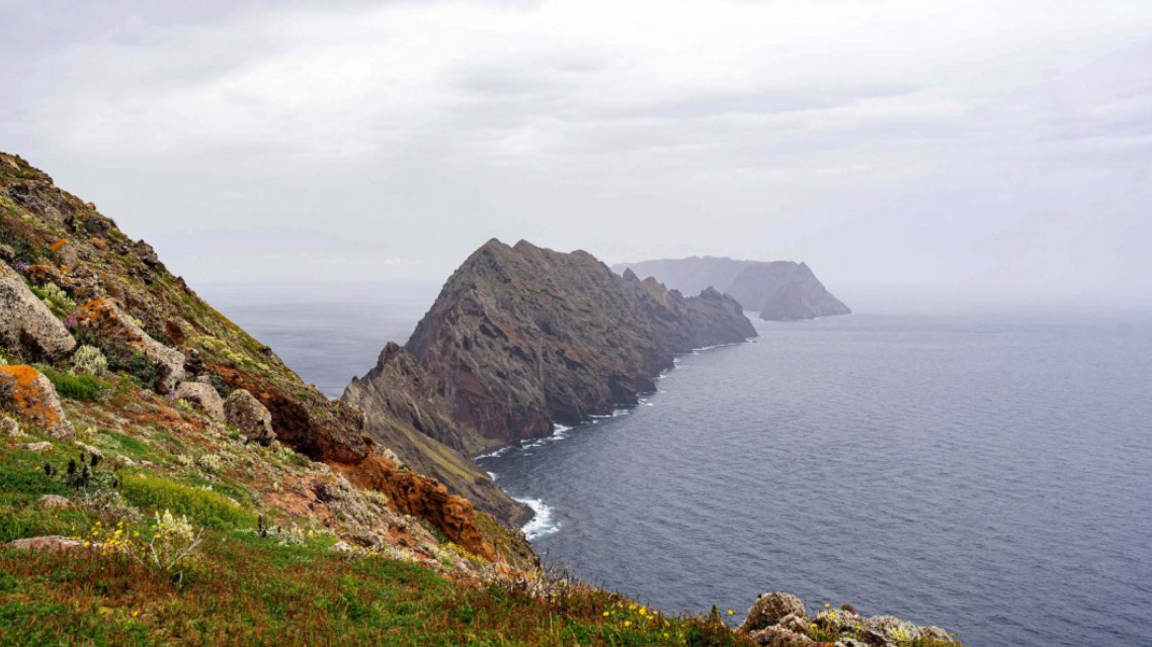
Image: Bugio Island in the Atlantic Ocean, where the snails have been returned after the breeding programme.