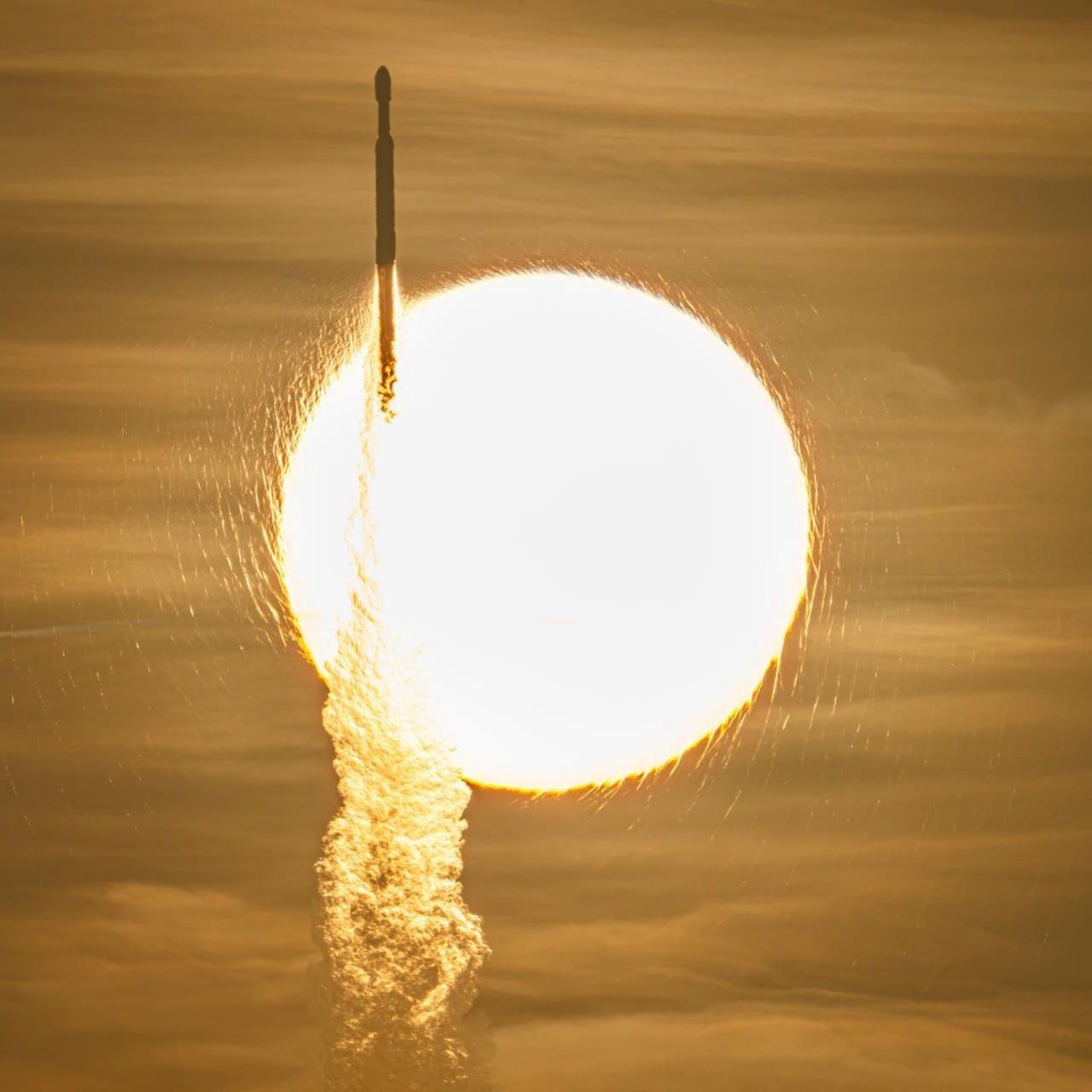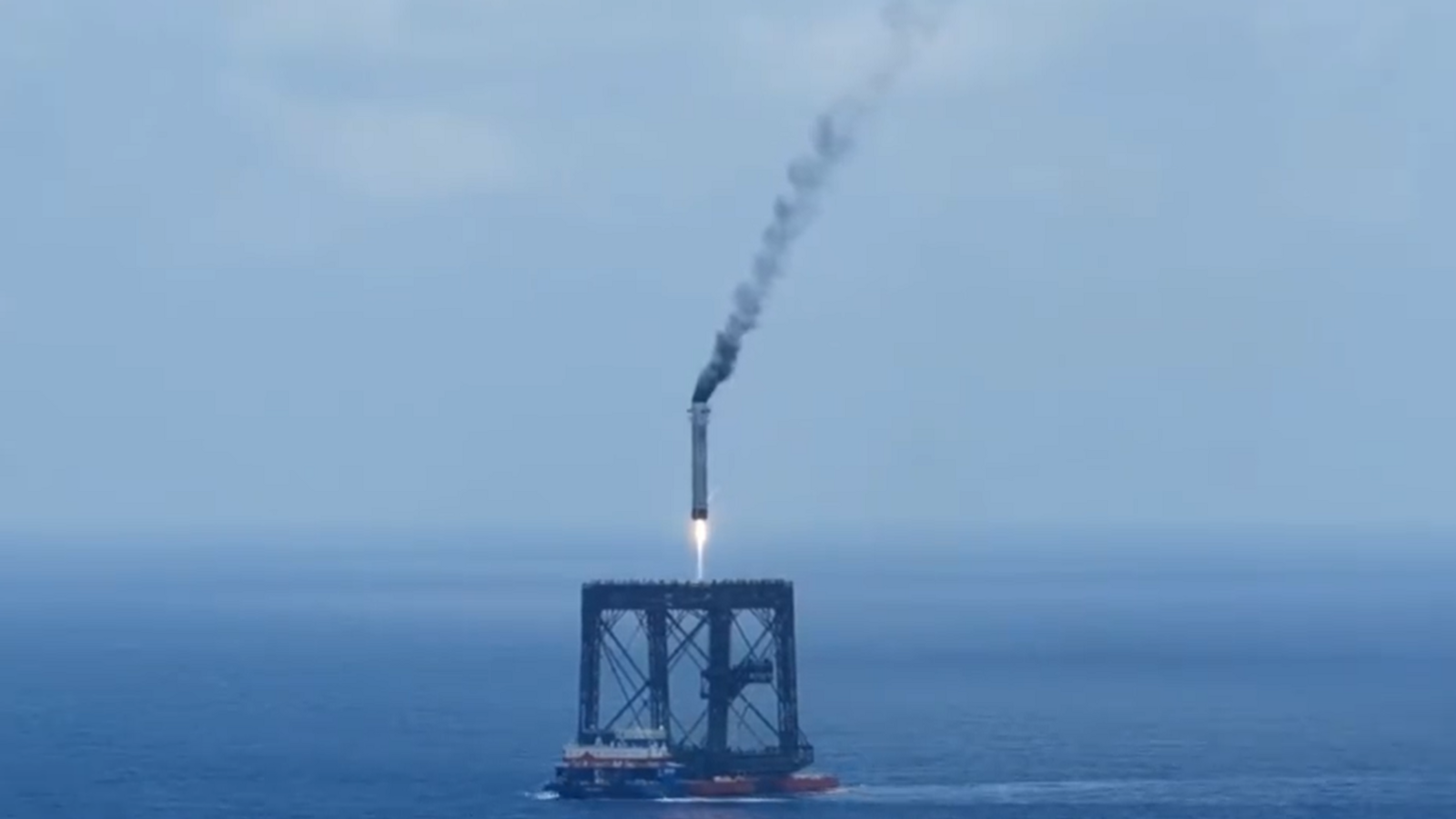
On Friday, the Long March 10B booster launched from Hainan at 12:15 local time and, six minutes later, returned to Earth, landing vertically onto a floating recovery platform. The event marked China’s first successful use of a reusable first‑stage booster.
Earlier attempts with the Long March 10A booster in February achieved a controlled descent but splashed down beside a recovery platform without full landing. The 10B landing, which carries at least 16 metric‑ton payloads to low Earth orbit, demonstrates a significant upgrade over the 10A design.
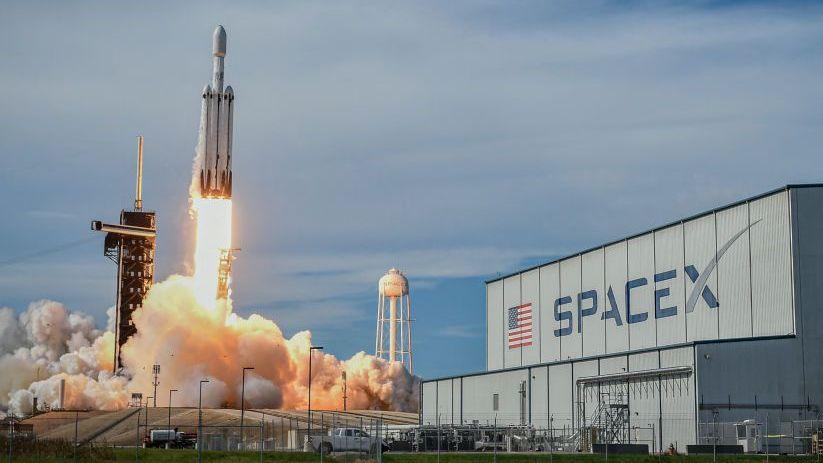
Recycled boosters are typically the most valuable component of a launch vehicle, and their reuse can substantially lower costs. The United States achieves this with SpaceX’s Falcon 9, which has flown some 150 missions a year, and Blue Origin’s New Glenn. China’s successful recovery shows it is closing the gap in this crucial area.
China Aerospace Science and Technology Corporation announced that the landing ‘signifies a strong step forward for the country’s space programme’. The news was welcomed by financial markets: shares in China SpaceSat and China Satellite Communications each rose to the 10% daily limit.
While SpaceX lands on autonomous ground pads and drone ships, the Long March 10B uses “landing hooks” that attach to a neted floating platform. This difference illustrates distinct engineering approaches across the world’s leading spacefaring nations.
As China enters the arena for reusable rockets, observers note that the new capability could accelerate the nation’s plans for large‑scale satellite deployments and deeper space exploration. Whether this will shift regional balances in space technology remains to be seen, but the milestone is undeniably significant.