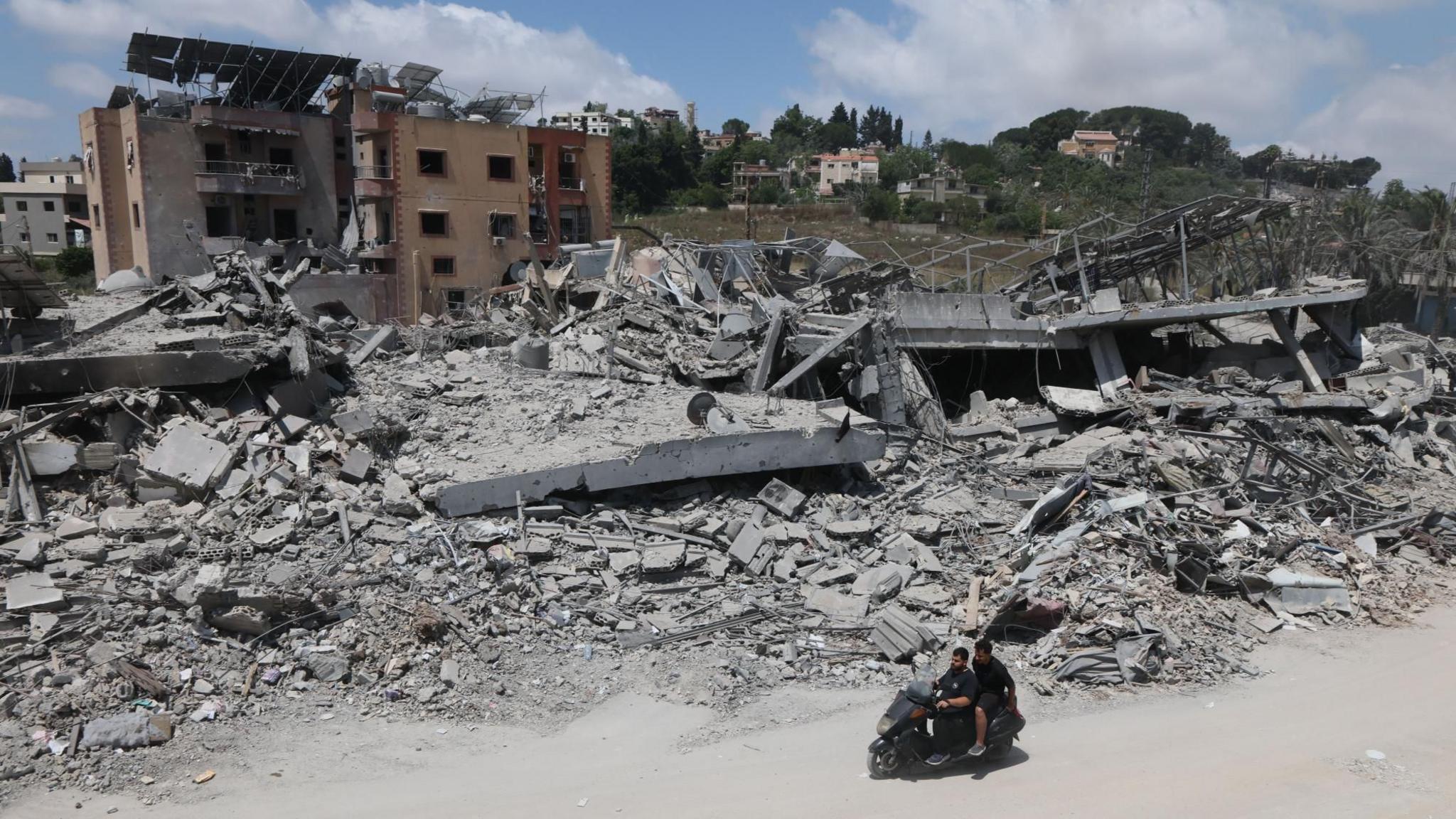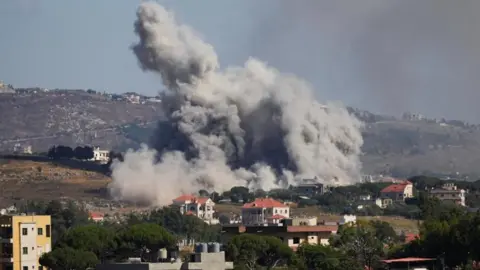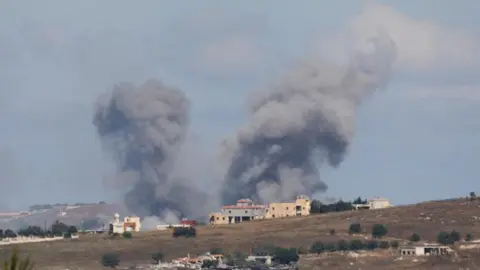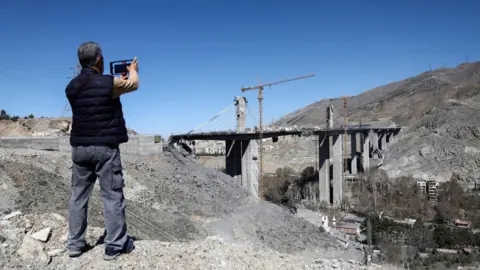
The recent US airstrike on the B1 suspension bridge in Karaj, Iran, has resulted in significant casualties and heightened fears among the local population. Iranian state media reported that the attack killed eight people and injured nearly 100. Many victims were enjoying picnics near the bridge during the Nowruz holiday when US warplanes targeted the site twice.
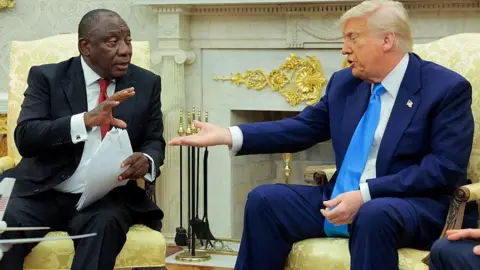
In light of the incident, President Trump issued stern warnings to Iran, suggesting further military actions if the Iranian leaders do not capitulate to American demands. He characterized the US military as the greatest and most powerful (by far!) anywhere in the World and indicated that further destruction in Iran would occur. In his statements, he elaborated that the new Iranian regime must act quickly to comply with US expectations.
However, this aggressive rhetoric prompted a backlash from Iranian officials. Foreign Minister Abbas Araghchi highlighted the futility of attacking civilian infrastructure, claiming such actions would not lead to submission but rather indicate the moral failure of the aggressor. He further challenged Trump's provocative statements by questioning if the US president truly desired a regression to a time devoid of oil wealth in the region.
Inside Iran, communication has become increasingly difficult due to prolonged internet outages designed to suppress dissent. Despite this, some Iranians have found ways to connect via satellite methods, often at personal risk. Many citizens express their discontent with the current regime and concern for their country's future amid ongoing conflict.
Voices from Tehran reveal widespread anxiety and a sense of helplessness. One young woman tearfully conveyed her fears regarding the implications of US military actions, articulating a loss of faith in the international community's response. Another resident lamented the devastation of their homeland while feeling powerless to enact change.
The attack on the Karaj bridge has also stirred varied responses among different citizen groups in Iran. Some express support for military actions against the government and assert that further military strikes are warranted to neutralize threats. Others fear that these actions signal a broader intent by the US and its allies to dismantle Iranian sovereignty.
The chilling atmosphere following the airstrike reflects the complex sentiments among Iranians, caught between the operations of a contentious regime and the complicity of foreign powers in their nation's struggles.