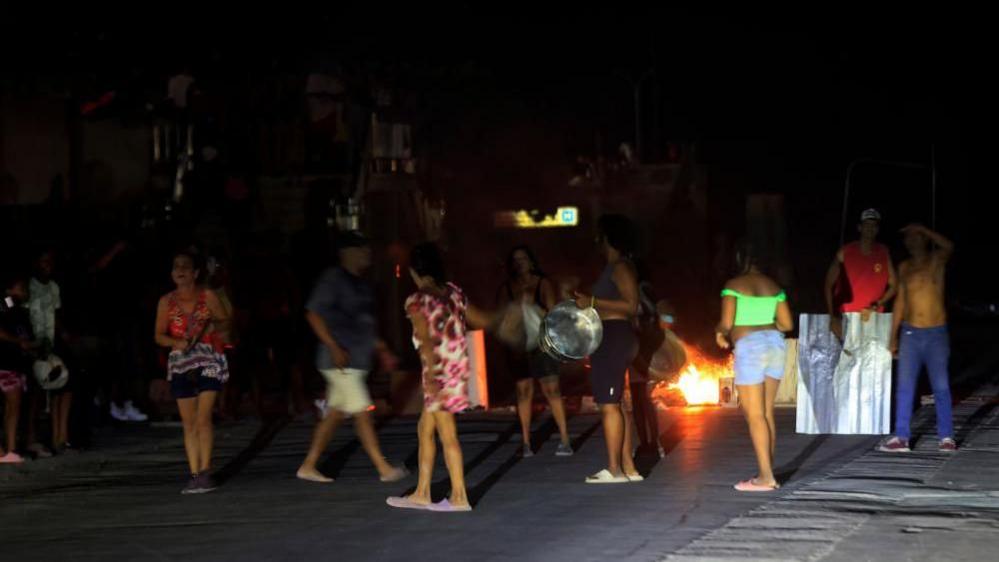
In towns across Cuba, residents turned to pots, metal sheets and burning rubbish as a visible form of protest after the country’s third nationwide power cut of 2026.
The blackout, which followed a major fuel shortage worsened by U.S. sanctions and an oil blockade, left rural areas in darkness for up to 70 hours and cities for as long as 30 hours.
A state‑run electricity firm did not disclose the cause of the latest emergency cut, but officials said most of the grid had been restored by Tuesday evening, even as locals shouted for lights to shine in still-dark neighborhoods.
President Miguel Díaz‑Canel acknowledged widespread discontent, noting that shortages of food, medicines and long power cuts have left people suffering. He urged Cubans to blame the U.S. for the outages, telling reporters, “A lot of people bang pots; direct that anger toward our northern neighbours.”
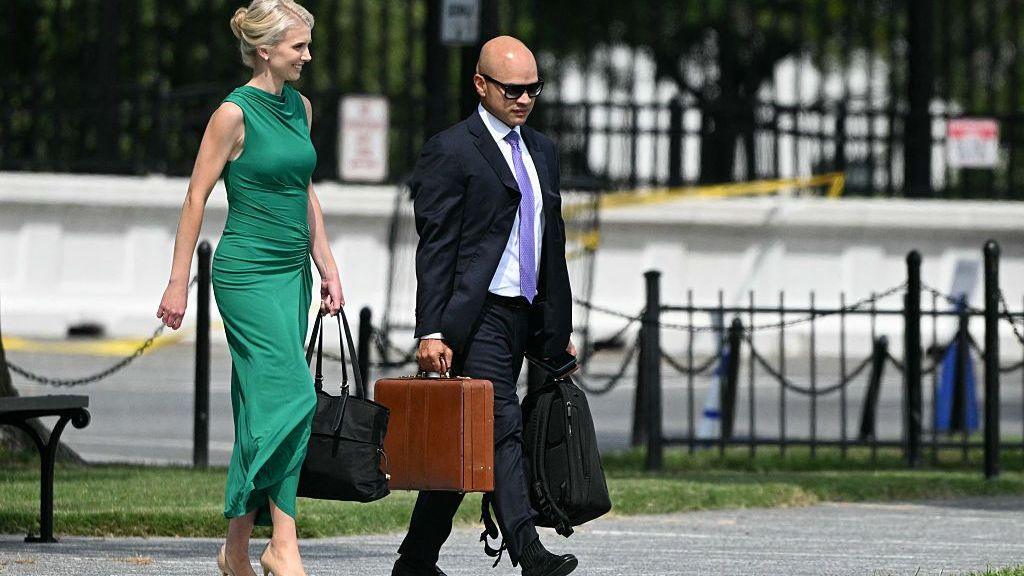
In the United Nations General Assembly, U.S. Ambassador Michael Waltz blamed the Cuban government, asking the island to “turn the lights back on for your people” and criticising the dictatorship’s use of power. Cuban Foreign Minister Bruno Rodríguez countered, accusing Washington of “multi‑dimensional, non‑conventional warfare” that has become “ever more cruel.”
Amid escalating tensions that started in January when the Trump administration slapped fresh sanctions and an oil blockade on Cuba, both sides continue private diplomatic talks. The foreign minister however dismissed the talks as a dead‑end, while still keeping the door open for dialogue based on mutual respect and non‑interference.