In brief
Data centres—vast facilities that power the internet and artificial‑intelligence workloads—have become a contentious issue for voters nationwide. Growing concerns over environmental impact, noise, and the speed of local approvals have spurred community activism and forced representatives to reconsider their positions. While some lawmakers now champion new regulations, challengers on both sides of the aisle see the debate as a strategic voting lever in the mid‑term elections. The controversy illustrates how technology infrastructure can quickly pivot from economic opportunity to political liability.
Technology infrastructure is a new flashpoint in the run‑up to the 2026 U.S. midterm elections. While Congress had largely viewed the construction of data centres—large, energy‑intensive facilities that store and process the world’s digital traffic—as an unqualified economic boon, a sharp turn in public sentiment is now forcing politicians to adopt a more nuanced stance.
The shift began when a grassroots network of community groups began mounting organized protests against new data‑centre projects in states ranging from Indiana to Texas. In a single month, the number of activist chapters increased from a handful to over eight hundred, and participation has trended upward across 48 states. The movement is largely framed around three themes: large physical footprints and visual impact; significant consumption of water, wind and fossil‑fuel resources; and the perception that approvals are granted too quickly by local zoning boards.
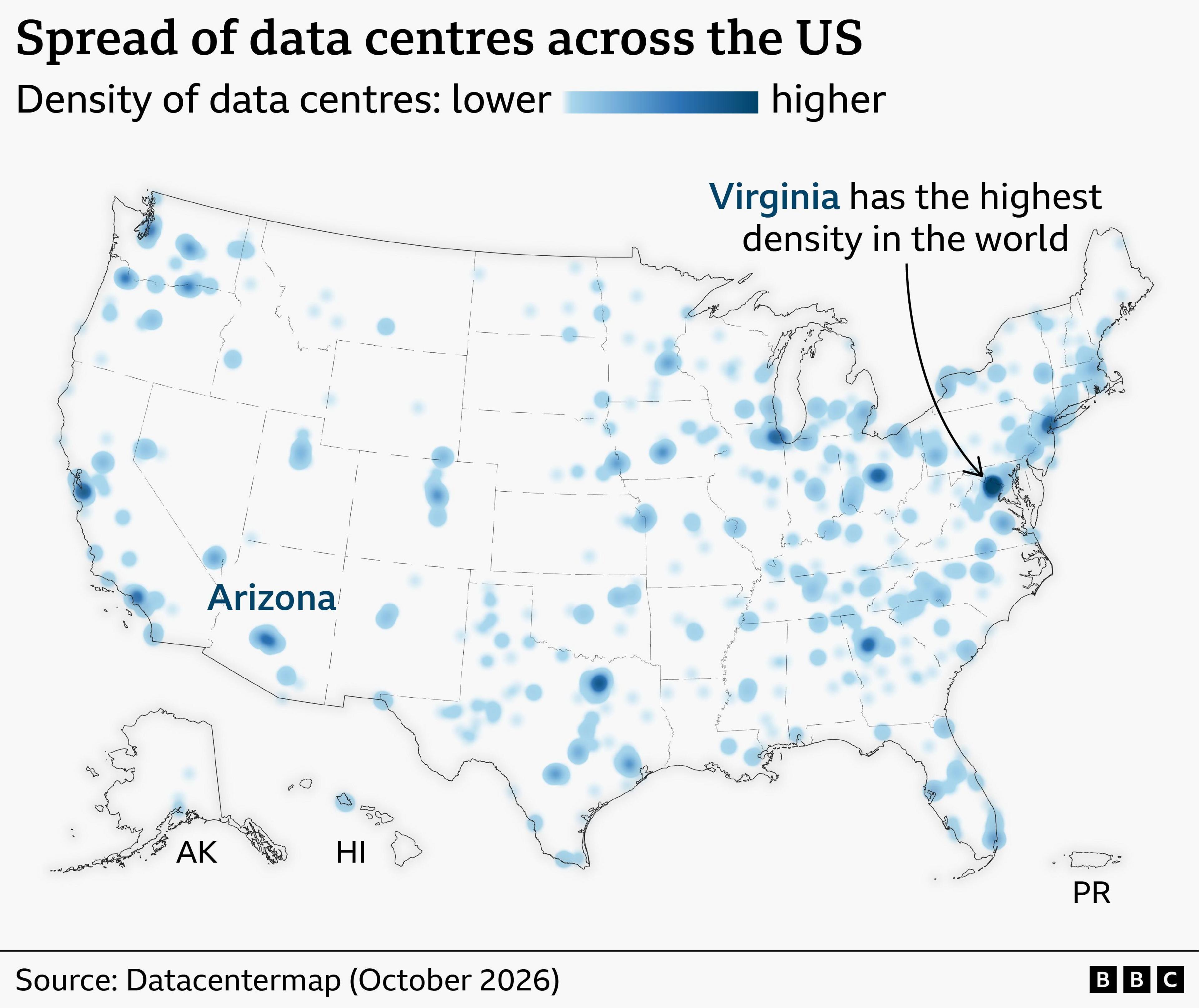
Senate and gubernatorial races have felt the ripple effect. In Arizona, Governor Katie Hobbs temporarily suspended tax incentives for data‑centre developers after pressure from local voters. In Ohio, Republican Senator John Husted announced that he would drop support for a federal tax credit that had previously benefited the industry, a move mirrored by Democratic opponents who have pledged to keep any expansion subject to stricter local scrutiny.
These political recalibrations are reflected in polling data that now places regulation and data‑centre development among the top six concerns for midterm voters—coming just behind war in Iran and a host of economic issues. For some candidates, a hard‑line stance on this issue is a signal to independent or swing voters uneasy about unchecked tech growth; for others, a moderate stance or an outright endorsement of the industry may be more electable in key swing districts.
The economic narrative around data centres also remains contested. Industry advocates maintain that new facilities create high‑paying jobs and stimulate local economies. A Brookings report, however, suggests that the net job creation is modest—generally between one hundred and two hundred positions per centre—and that wage gains are largely confined to specialist tech roles that already command high salaries. This nuanced picture is still unfolding as construction plans for facilities in Ohio, Texas, and other states surface.
Despite temporary moratoriums on new data‑centre projects—set to last one to three years—public sentiment appears rock‑solid. Interviews with residents in rural communities show a mixture of distrust and fear that the benefits of data centers will not translate into tangible, local improvement. Meanwhile, policymakers—including those on the left and the right—recognise the political cost of overlooking this dynamic, especially as the tens of thousands of votes available in swing states could prove decisive in a very close race.
In sum, data centres are rapidly moving from an assumed economic driver to a pivotal policy debate. As the midterm campaigns heat up, the outcomes of these debates will reverberate across the political spectrum, influencing everything from local zoning authors to federal trade and technology policy. Observers will likely keep a close eye on how candidates balance the alleged technological benefits against the clean‑energy and community concerns that are now at the core of the election discourse.