Deadly Nepal–Tibet Floods: Causes, Toll, and International Response
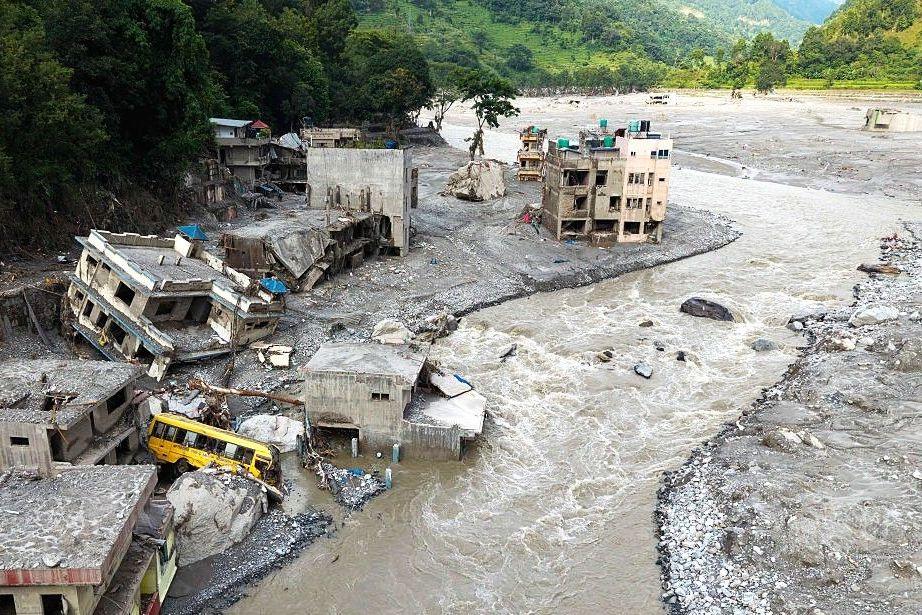
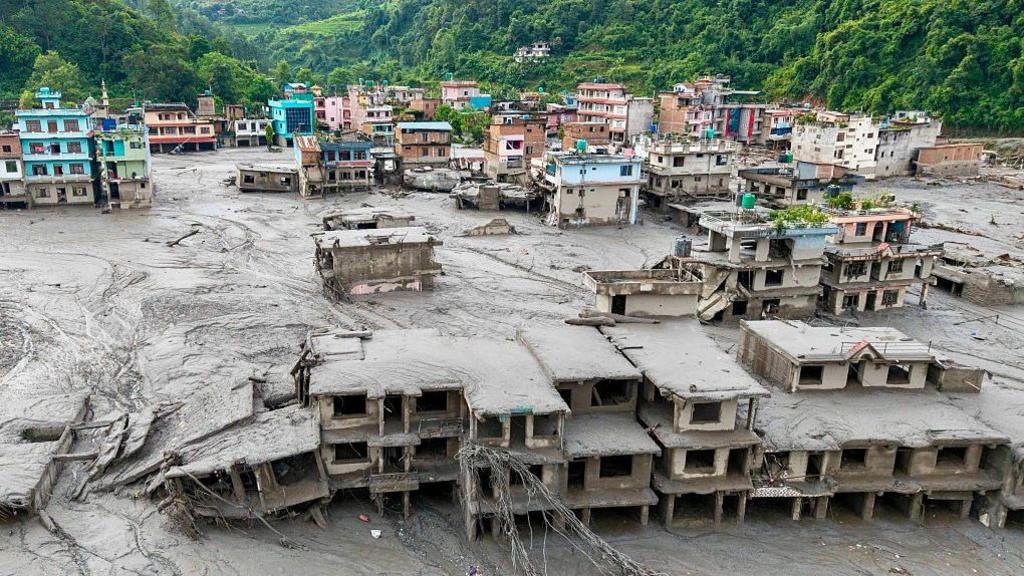
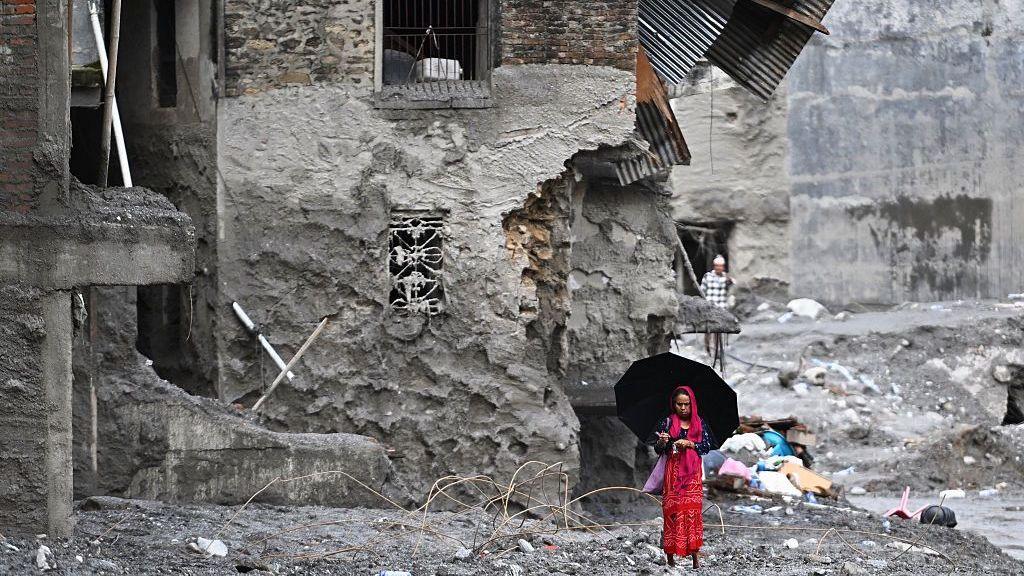
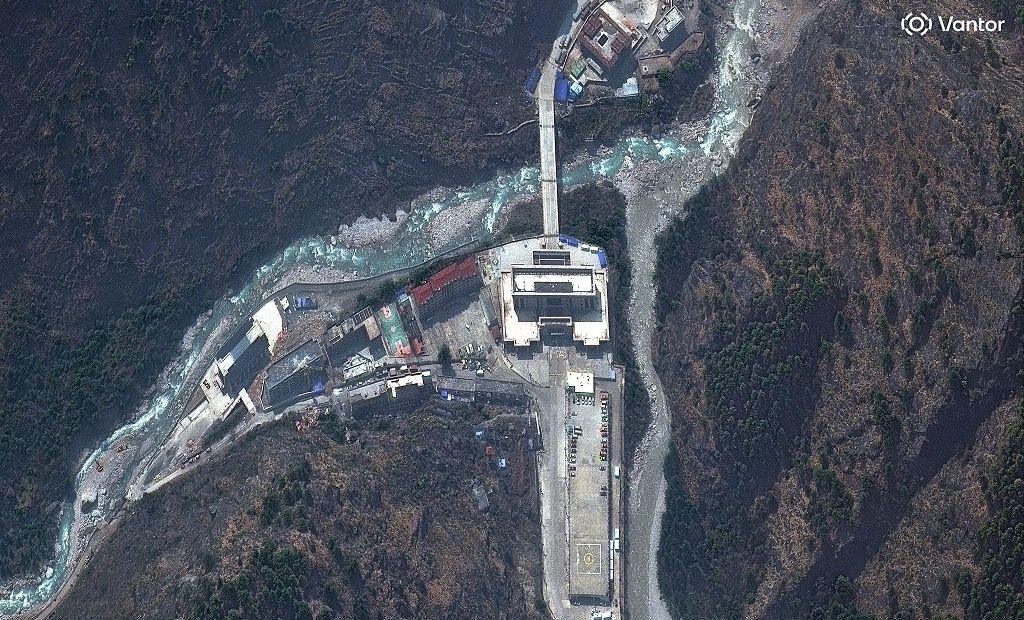
On the night of 25 August a sudden, multi‑million‑ton landslide slid down the Kharta valley and flooded the Trishuli river. The disaster destroyed villages, highways, and the Rhigo cheese‑factory. As the debris rolled into the river, a flash‑flood swept across the border into Tibet, engulfing a checkpoint, homes and a nearby supermarket.
Initial reports from Nepali officials linked the event to a small earthquake, and China’s state media announced a magnitude 4.4 tremor. The U.S. Geological Survey re‑analysed seismic data and confirmed that no seismic event had occurred; instead the collapse was a glacial‑collapse debris flow triggered by rapidly melting ice and heavy rainfall. Residents of the Kharta valley had reported a “thunder‑clap” of rock and water 10 minutes after the tremor.
The disaster has killed at least 270 people in Nepal, with an additional 826 reported missing, including 466 foreigners. In Tibet, China’s Gongchang County recorded 558 missing, with three confirmed dead. Notably, 260 of those missing in Tibet are foreign. The spread of casualties across two countries underscores the transnational nature of the disaster.
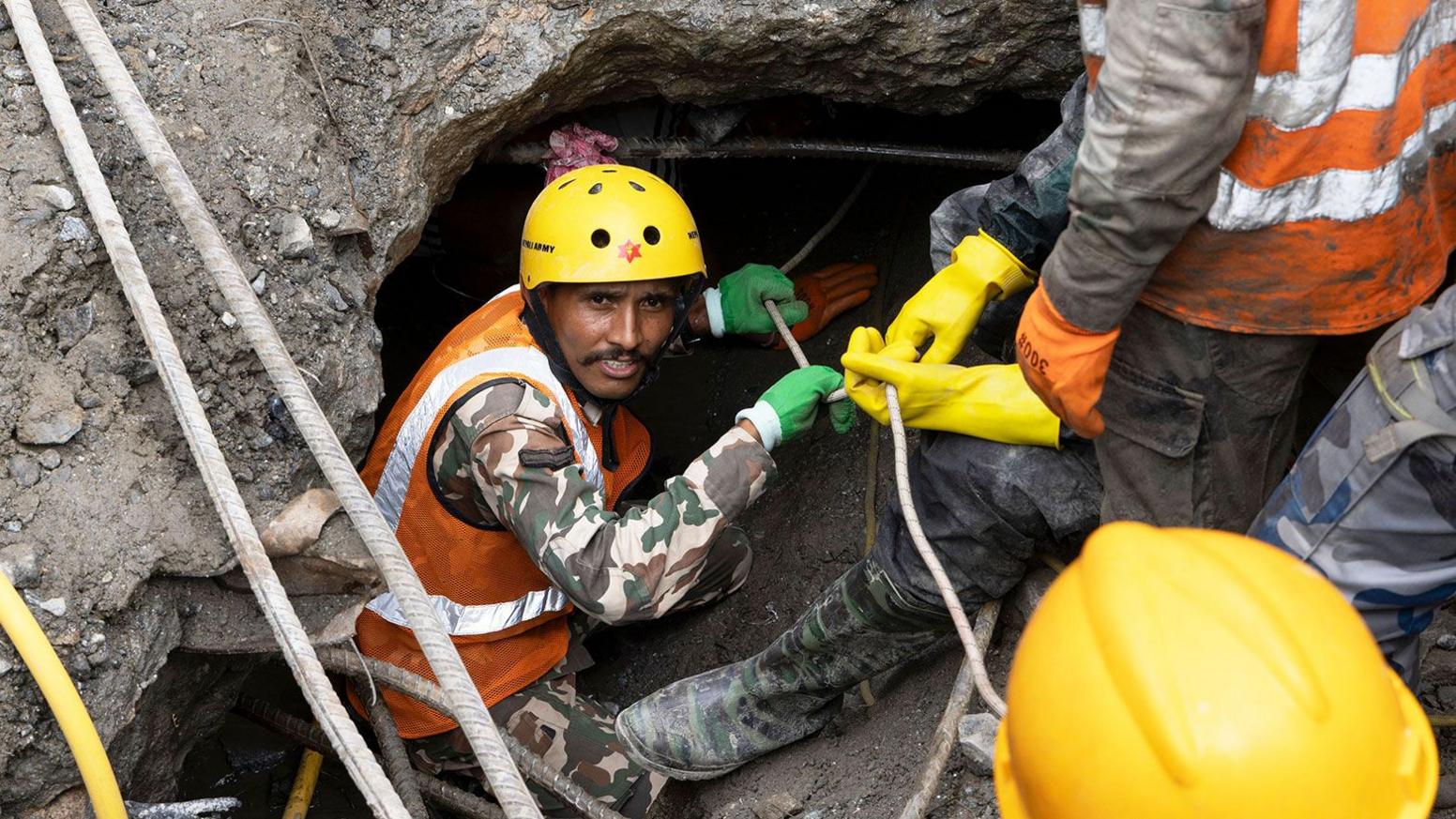
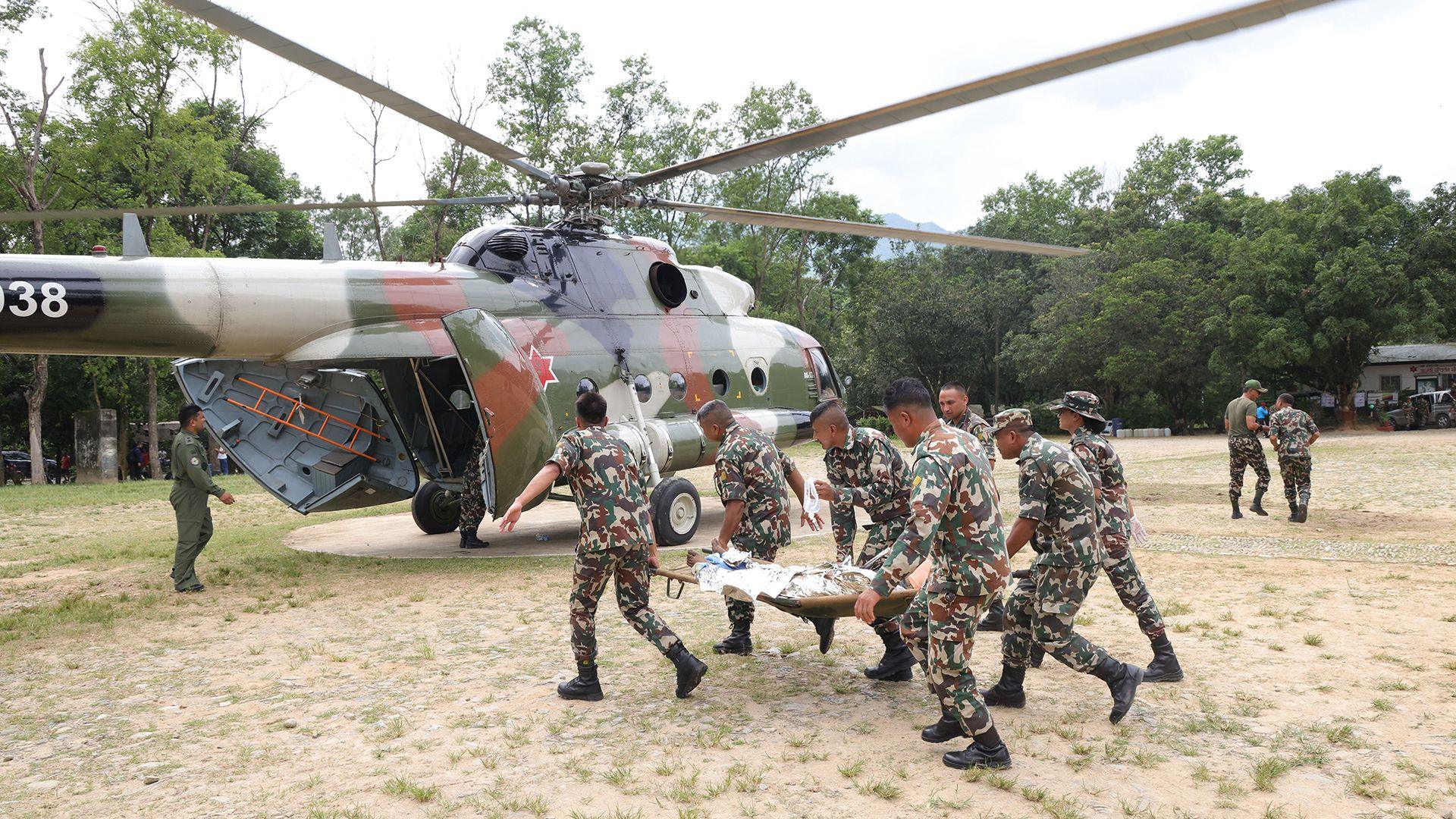
The international response has been swift. Nepal’s Prime Minister, Rabi Lamichhane, called the crisis “a national shock” and pledged cooperation with China on rescue and relief. Chinese President Xi Jinping promised an all‑out search effort and upgraded early‑warning systems. India mobilised civil‑search teams and declared readiness to provide humanitarian aid; the U.N. dispatched relief supplies and veterinary teams. The United States announced a US$500,000 grant for emergency shelter, water, and sanitation, while the United Kingdom pledged coordinated assistance for its citizens.
The epicenter sits 40 miles north of Kathmandu; the flood’s initial wave covered a 10‑mile swath on the Trishuli and Bhote Koshi rivers. The International Centre for Integrated Mountain Development warned that the river debris could create a temporary dam, potentially triggering a secondary flood.
Scientists are now mapping the exact location of the glacial collapse, trying to determine whether a glacial lake drainage or a sudden surge of melt‑water triggered the landslide. They also suspect that rising permafrost temperatures have weakened slope stability, a phenomenon that is increasingly common throughout the Hindu Kush Himalaya region. Senatorial experts warn that such events may become more frequent as climate change accelerates glacier melt.
Tourists from 16 countries are among those missing, with India, Ukraine, Malaysia, Britain, Canada, the United States, and Australia each reporting dozens of missing travellers. The Korean, South African, Portuguese, Dutch, and New Zealand contingents add to the demographic diversity of the vanished group.
The story continues to evolve as rescue teams navigate treacherous terrain and authorities sift through satellite imagery to determine safe zones. The event is a stark reminder that geopolitics, climate science, and emergency management are intertwined in the high‑altitude Himalayas.