In brief
Elon Musk has signaled that he is open to merging Tesla with SpaceX, the two companies he runs that together would be worth over $3.5 trillion, making it the largest merger ever. The idea is under review by special committees, though no agreement has yet been reached and the move would still require substantial shareholder approval. Analysts expect the merger could combine Tesla’s electric vehicles, self‑driving tech and robotics with SpaceX’s rockets, satellites, and AI infrastructure, potentially accelerating Musk’s vision of a self‑sustaining Martian city. Customers are unlikely to see immediate changes in Tesla’s cars, but long‑term integration could improve product capabilities. Musk stands to gain greater control and an even more concentrated stake in a single stock, while the deal would attract regulatory scrutiny amid a shifting political climate.
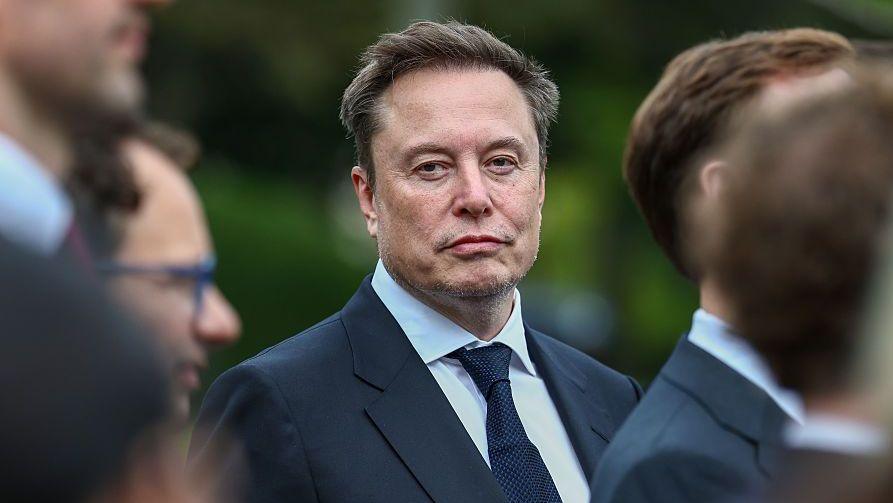
Elon Musk has spent years building two superstar companies into separate trillion‑dollar empires. Now he says he is actively considering merging Tesla with SpaceX, handing the new entity a valuation north of $3.5 trillion.
Musk confirmed the idea at a company briefing, adding that special committees have been set up to look into the logistics of a deal. He stressed that nothing has been agreed and that shareholder approval would still be required.
The combination would be the largest merger in history – Tesla is worth roughly $1.5 trillion and SpaceX about $2 trillion. The banks, investors and regulators would all need to sign on, but analysts are quick to point out that Musk’s influence in both enterprises would likely persuade a majority of owners to vote in favour.
How Likely Is the Merger?
Experts describe the prospects as 100% in principle – it is “just a question of when.” The unveiling of the Tesla Roadster, a futuristic electric car powered by SpaceX rockets, has been cited as a symbolic sign of the two companies moving toward integration.
Combining Tesla’s cars, robots and self‑driving technology with SpaceX’s rockets, data centres, satellites and telecommunications network could dovetail perfectly with Musk’s long‑term ambition to build a self‑sustaining city on Mars. In the short term, Tesla’s Model Y and Model 3 will remain the focus, whereas models that are less popular are being down‑scaled.
Impact on Customers
Car drivers are unlikely to see dramatic changes any time soon. Tesla’s internal engineers are already moving production resources into the company's California plant to build the humanoid Optimus robot, for example. The merger would deepen emphasis on converging AI, rocket science and automotive engineering rather than altering day‑to‑day vehicle features.
Musk’s Personal Gain
For Musk, the merger would create a larger, more single‑stock vehicle that would give him greater voting leverage than he currently has at Tesla alone. While the deal would not outright increase his wealth, it would concentrate it further in one company, making his position easier to manage and his office more decisive in steering AI strategy.
Regulatory & Political Considerations
Regulators may scrutinise the largest merger ever on a very high profile. The political environment is also a factor: any shift in the composition of Congress could raise new antitrust concerns, especially as Musk has already faced increasing pressure from elected officials over his influence on media and technology.
As the debate continues, Tesla shares rose a fraction in after‑hours trading and SpaceX’s valuation has seen a recent uptick in the market. Investors await official resolutions and further details on the board’s committee findings.