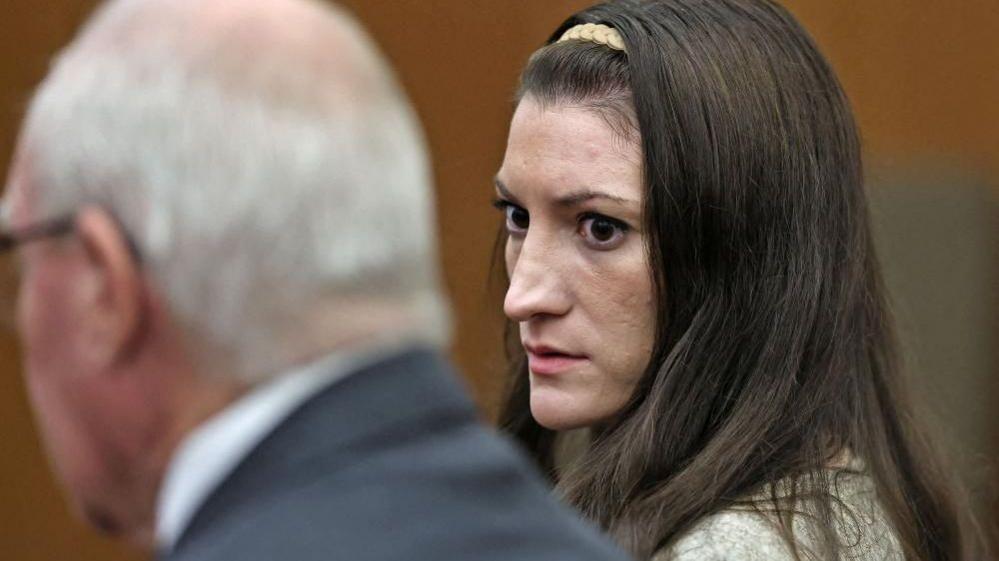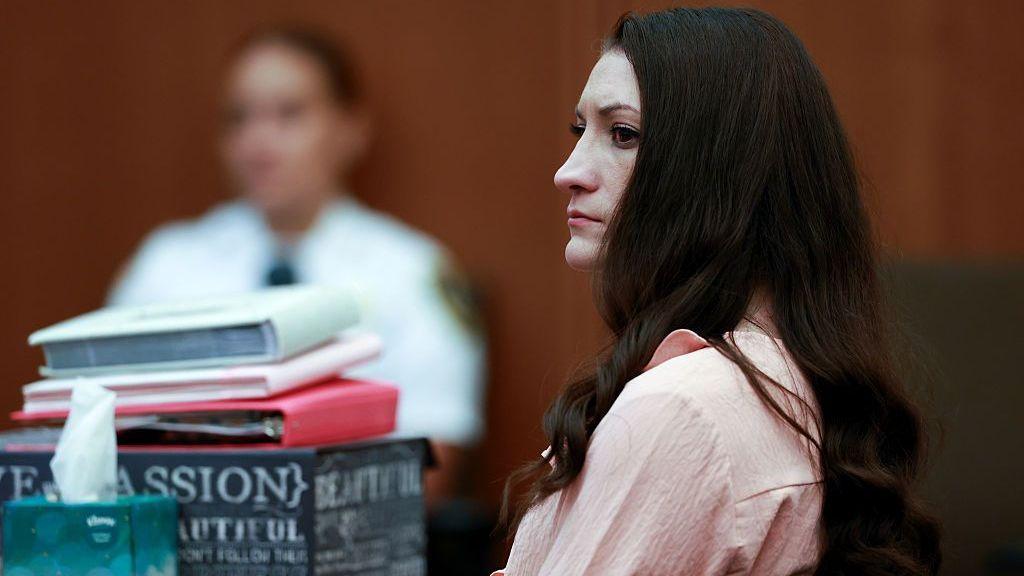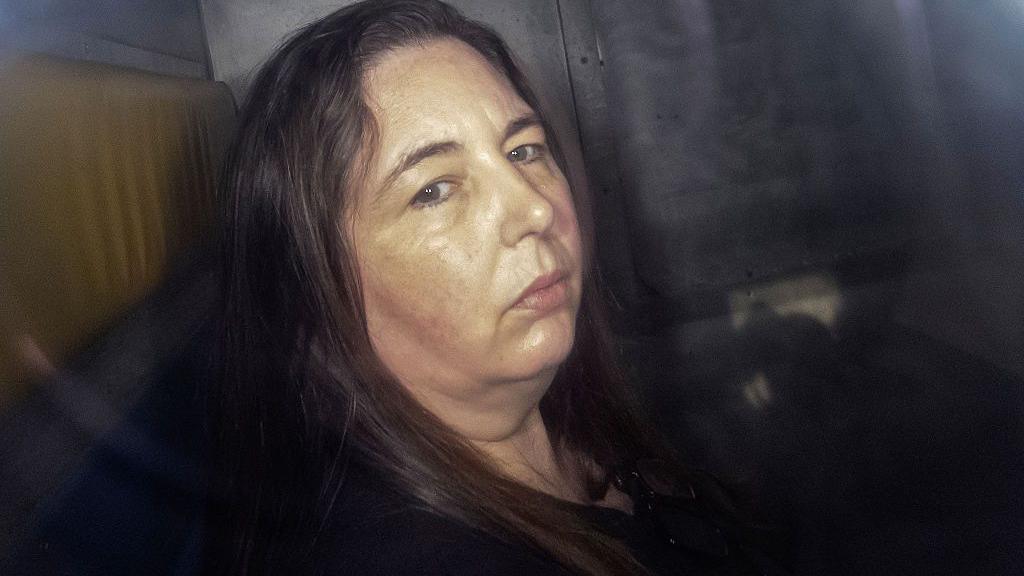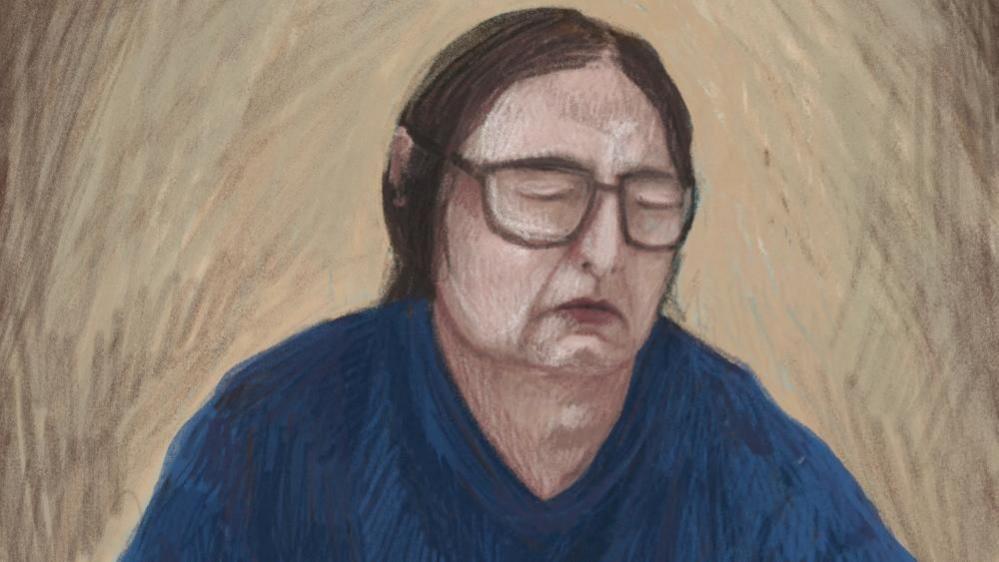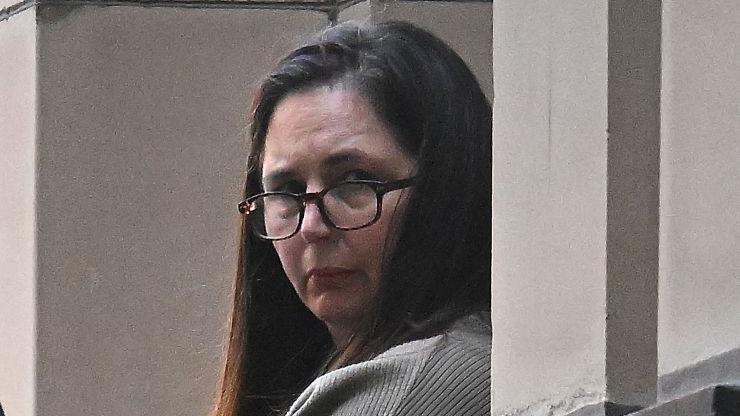
Erin Patterson, a 51‑year‑old from Leongatha, Victoria, was sentenced to life imprisonment in September 2023 for murdering three relatives with death‑cap mushrooms. The case has attracted international attention, and a year later she has filed an appeal, seeking to overturn her conviction.
Her defence team claims the original trial was marred by several irregularities: key evidence they regard as prejudicial was admitted to the jury, such as mobile‑phone data and social‑media posts that allegedly suggest motive. They also say relevant material that could have proven an accident—photos of Patterson’s mushroom‑foraging hobby—was wrongly excluded.
In contrast, the Department of Public Prosecutions has lodged an appeal over the length of her sentence. Judge Christopher Beale ruled that while Patterson’s crimes were severe, the 33‑year parole window was influenced by the harsh prison conditions she had already endured, including 15 months of solitary confinement.
A significant point of contention is the jury’s accommodation during deliberation. Due to a media frenzy, the jury shared accommodation space with members of the prosecution, a police witness and journalists, a condition the defence claims was a fundamental irregularity that undermined the verdict.
Should the Court of Appeal overturn her conviction, Patterson could face either a retrial or acquittal. If the prosecution’s appeal succeeds, her parole could be extended beyond the current 33 years or she could be sentenced to life without parole.
The court’s decision is expected to take several months, after which the legal community will closely monitor the outcome for its implications on evidence handling and jury integrity in high‑profile Australian cases.