
In brief
The recent shooting of 37-year-old Renee Nicole Good by a U.S. Immigration and Customs Enforcement officer during an immigration operation in Minneapolis has ignited intense discussions surrounding the regulations governing the use of deadly force by law enforcement. Eyewitness cellphone footage captured the incident, leading to contrasting perspectives on the appropriateness of the use of force. While federal officials maintain that the shooting was justified as self-defense, critics, including Minneapolis’s mayor, label it as reckless and unnecessary. This incident underscores the ongoing debate over the training and policies guiding law enforcement response to perceived threats, particularly in situations involving moving vehicles.
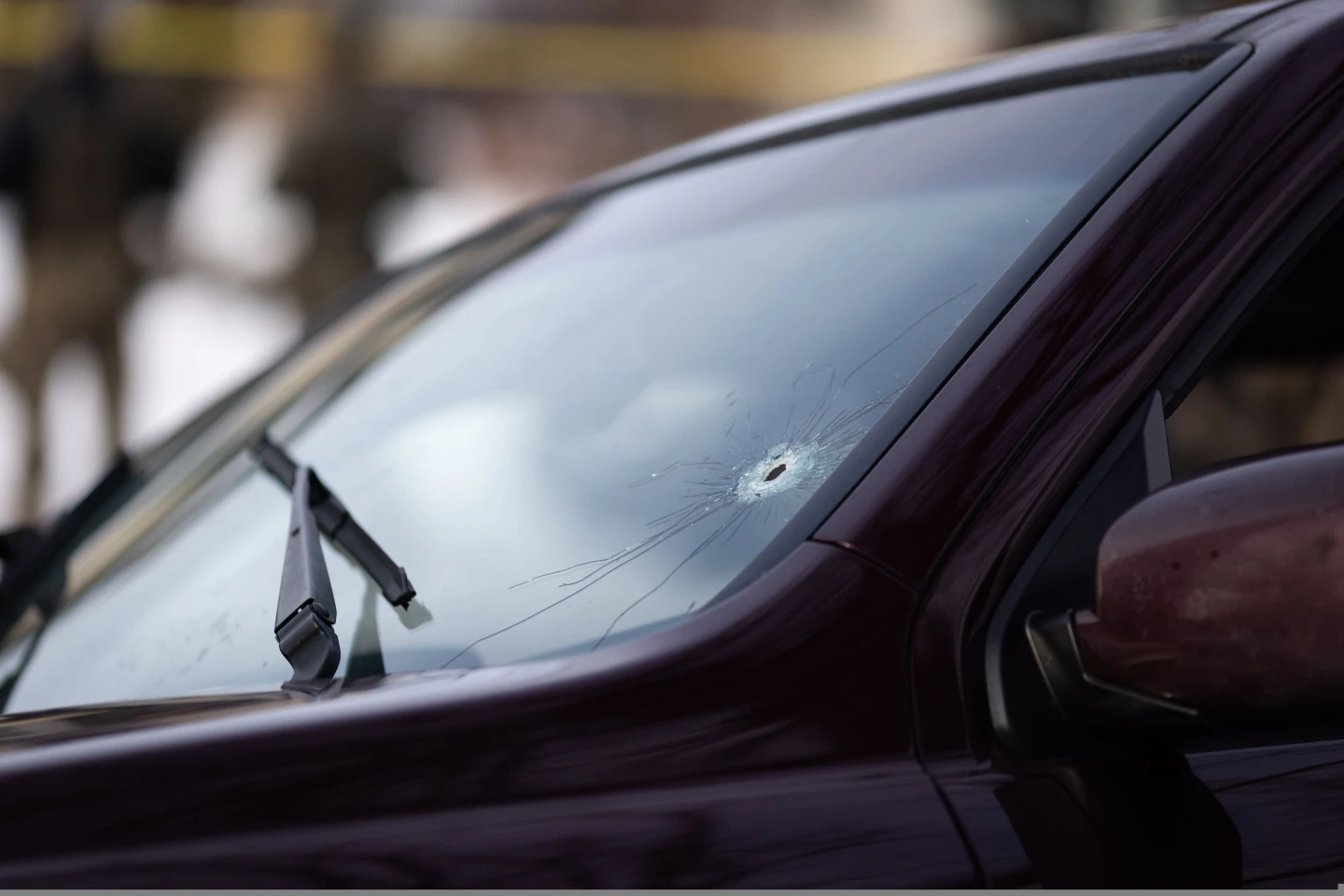
A federal immigration operation in Minneapolis turned deadly this week when a U.S. Immigration and Customs Enforcement officer shot and killed 37-year-old Renee Nicole Good during a confrontation involving her vehicle. Eyewitness cellphone video captured the shooting, which federal officials claimed was an act of self-defense but that the city’s mayor described as “reckless” and unnecessary. Video shows an ICE officer approaching Good’s SUV stopped in traffic as the vehicle begins to move forward. Another ICE officer, standing in front of it, draws his gun and fires at close range while jumping out of the way.The incident raises critical questions about regulations concerning the use of deadly force, especially in situations involving moving vehicles. Generally, most law enforcement agencies prohibit firing at moving cars unless the driver poses an imminent threat beyond the car itself. Experts caution that firing at a moving vehicle significantly increases the risks of stray bullets or loss of vehicle control, endangering bystanders.In this particular incident, the Justice Department’s policy mandates that officers must avoid using deadly force when possible, including stepping out of the way of a vehicle instead of resorting to gunfire. Policies further dictate that deadly force cannot be used simply to stop or arrest someone unless they present an immediate threat of serious harm.ICE agents operate under similar guidelines as local law enforcement but have additional legal protections when acting within their official duties. The Department of Homeland Security allows the use of deadly force only if an officer believes there is a credible threat of death or severe injury.Investigation into incidents like these typically involves federal agents conducting internal reviews alongside state and local authorities pursuing criminal inquiries. The FBI is currently leading the investigation into the Minneapolis shooting as calls for scrutiny over the use of deadly force continue to grow.
