
In brief
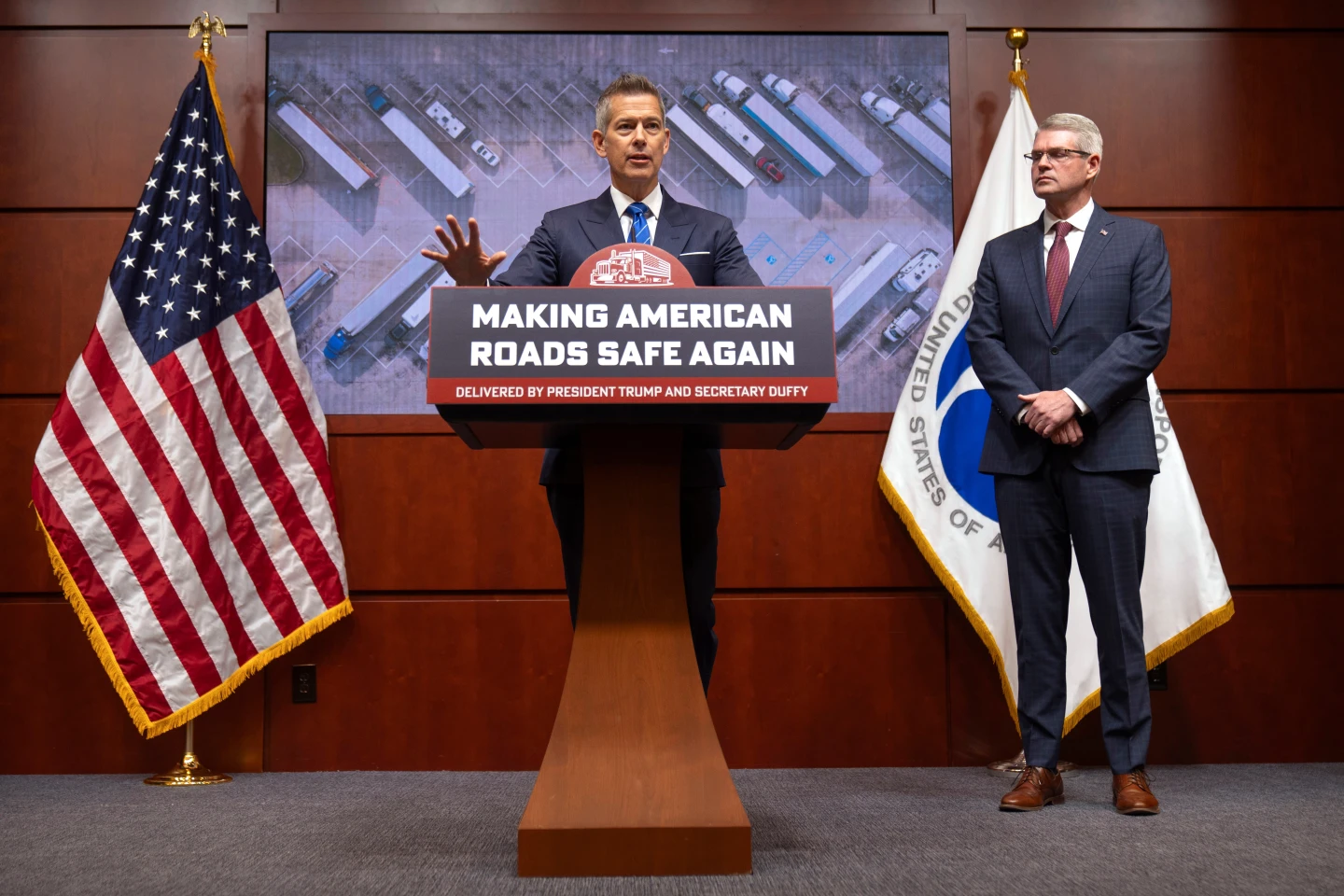
Following deadly accidents involving unauthorized immigrant truck drivers, the federal government has begun tightening regulations surrounding commercial driver’s licenses issued to noncitizens. Investigations found serious issues in California, Pennsylvania, Minnesota, New York, Texas, South Dakota, Colorado, and Washington, leading to funding threats from Transportation Secretary Sean Duffy. States are being pressured to revoke licenses found to be improperly issued. The discussions around this issue are further complicated by political disputes and differing state practices regarding immigration verification.
The crackdown on commercial driver’s licenses issued to immigrants has escalated following investigations that uncovered significant issues across eight states, primarily triggered by several tragic traffic accidents. U.S. Secretary of Transportation Sean Duffy has indicated his department's intention to withhold millions in federal funding from California, Pennsylvania, Minnesota, and New York amidst concerns that many licenses remained valid despite the expiration of the holders' legal status.
Rising suspicions of improperly issued licenses reached a peak after an unauthorized truck driver caused a deadly crash in Florida, killing three people. Concurrently, another incident in California involving an unauthorized driver also resulted in fatalities, capturing national attention and amplifying calls for stricter oversight.
In response to these events, Duffy proposed new restrictions in September that would significantly limit noncitizens' eligibility for commercial driving licenses. However, these proposals faced legal challenges, delaying their implementation.
The investigations revealed various issues, such as licenses that remained valid despite the holder's legal status having expired. Duffy's department quietly extended its inquiries to states like Texas, South Dakota, Colorado, and Washington during a recent government shutdown.
State Responses
California has been particularly combative in reacting to federal scrutiny, emphasizing that they have verified drivers' immigration status through federal databases. However, the state has also revoked thousands of commercial licenses after acknowledging existing problems. Meanwhile, Pennsylvania is facing nearly $75 million in funding cuts unless it demonstrates significant changes to its licensing program.
Minnesota, under threat of losing $30.4 million, recently canceled several improperly issued licenses after admitting to past administrative errors. New York's issues were highlighted, where federal investigators found that over half of the commercial licenses in question were issued incorrectly.
The state of Texas is also under the microscope, having to answer concerns surrounding roughly half of the licenses reviewed, and could risk losing $182 million in federal funds. South Dakota, Colorado, and Washington are similarly attempting to address discrepancies in their licensing processes to avoid financial penalties.
As the federal government presses on with its investigations, the debate surrounding the eligibility of immigrants in the trucking industry continues, igniting discussions about public safety, immigration policy, and state-federal relations.


