Football, migration and anti‑Israeli sentiment sweep Morocco’s election race
In a climate of high youth unemployment and a growing cross‑border escape to the Spanish enclave of Ceuta, Morocco’s 22 September parliamentary contest is taking on a surreal mix of football‑driven hype, economic protest and anti‑Israeli rhetoric.
The campaign has turned to viral slogans—“Sir — Go!” a chant that echoed the country’s 2022 World Cup berth—shortcuts about creating a million jobs, and voices calling for the closure of the Israeli embassy.
Siham Azeroual, environmental activist from the Atlas region, says: “I think young people should focus on the microscale: rather than running for office, helping build communities and connecting with people and then building up to the top.”
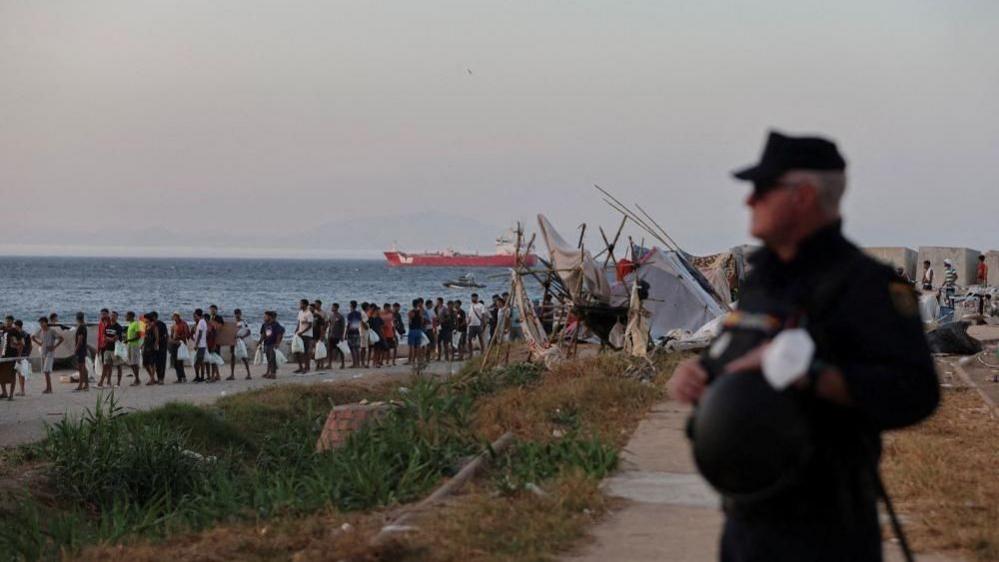
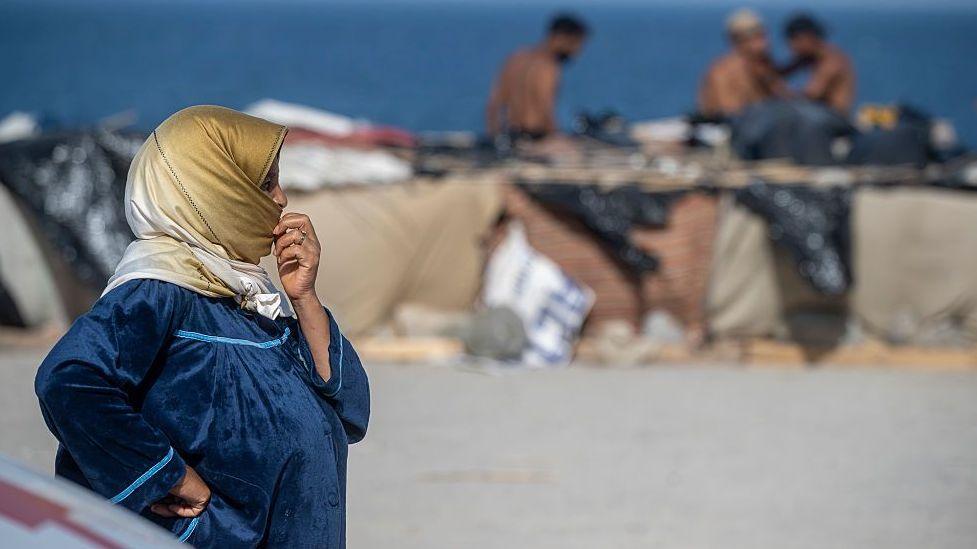
The exodus to Ceuta—over 60 000 people in July, dozens of whom lost their lives in the crossing—has presented a stark picture of how many young Moroccans feel trapped when jobs and healthcare appear out of reach.
Among the 27 parties on the ballot, the centrist Party of Authenticity and Modernity (PAM) has leveraged the nation’s football triumphs, with its president Fouzi Lekjaa extolling the country's potential to rank sixth in education and health by 2031. PAM’s contests with the incumbent National Rally of Independents are renewed, blending promises of a million jobs with football‑era symbolism.
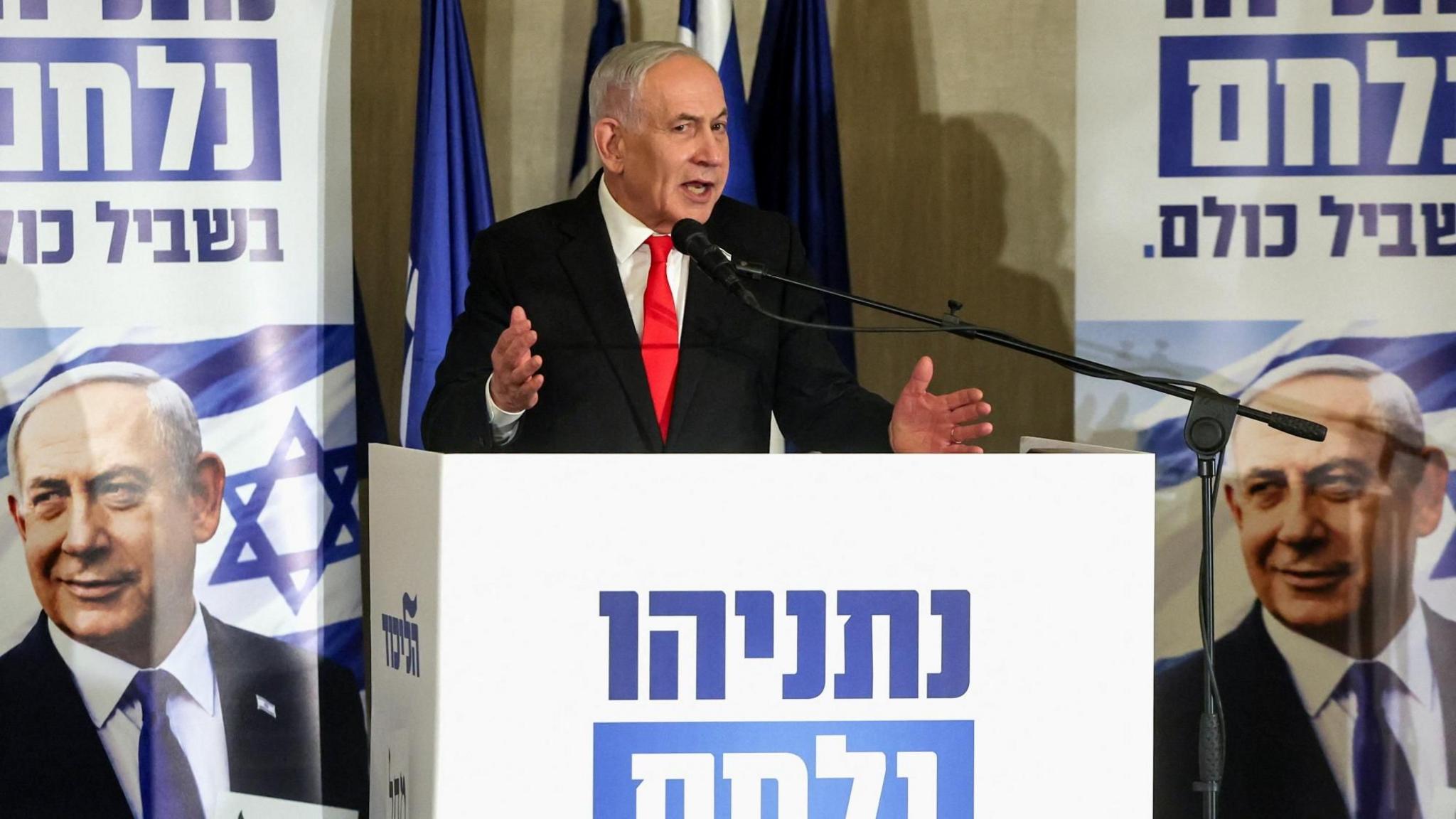
The Islamist Justice and Development Party (PJD) has capitalized on anti‑Israeli sentiment, pledging to end diplomatic ties after Morocco’s 2020 normalization under the Abraham Accords. Protesters on Rabat’s streets have burned Israeli flags, yet a recent agreement will see full embassies open, drawing a chilling contrast with the party’s rhetoric.
Young voters—constituting more than half the country’s population—remain skeptical. Hiba, a 27‑year‑old expatriate in Montreal who organized Gen Z protests outside Morocco, tells the network that while she sees more political dialogue on state TV, she doubts the system will change. She is, nonetheless, setting her vote to cast a ballot from the diaspora.
Whether the blending of football glory, migration crises and anti‑Israeli stances can translate into political change will unfold when ballots are counted. The monarchy, still holding decisive power, will soon be tasked with interpreting the electorate’s mood in a parliament of 395 seats that could shift policy on jobs, education and foreign relations.