In brief
Fr Willie Doyle, a Dublin-born priest and British Army chaplain, is now in the final stages of being considered for sainthood after a campaign led by the Fr Willie Doyle Association brought thousands of documents to Rome. Doyle’s bravery, recognised with a Military Cross, is illustrated by accounts of him running into No Man’s Land to rescue wounded men and caring for German prisoners of war. The Diocese of Meath completed a diocesan tribunal in 2022, compiling around 3,500 pages of evidence, and has released a special service at Mullingar Cathedral to mark the closure of the tribunal and the submission to the Vatican. The process of sainthood involves five steps, and this case is only at the early investigative stage, but the Church’s confidence in Doyle’s legacy is high. His work exemplifies ecumenical charity and resonates with contemporary audiences, especially Gen Z, who seek inclusive spirituality.
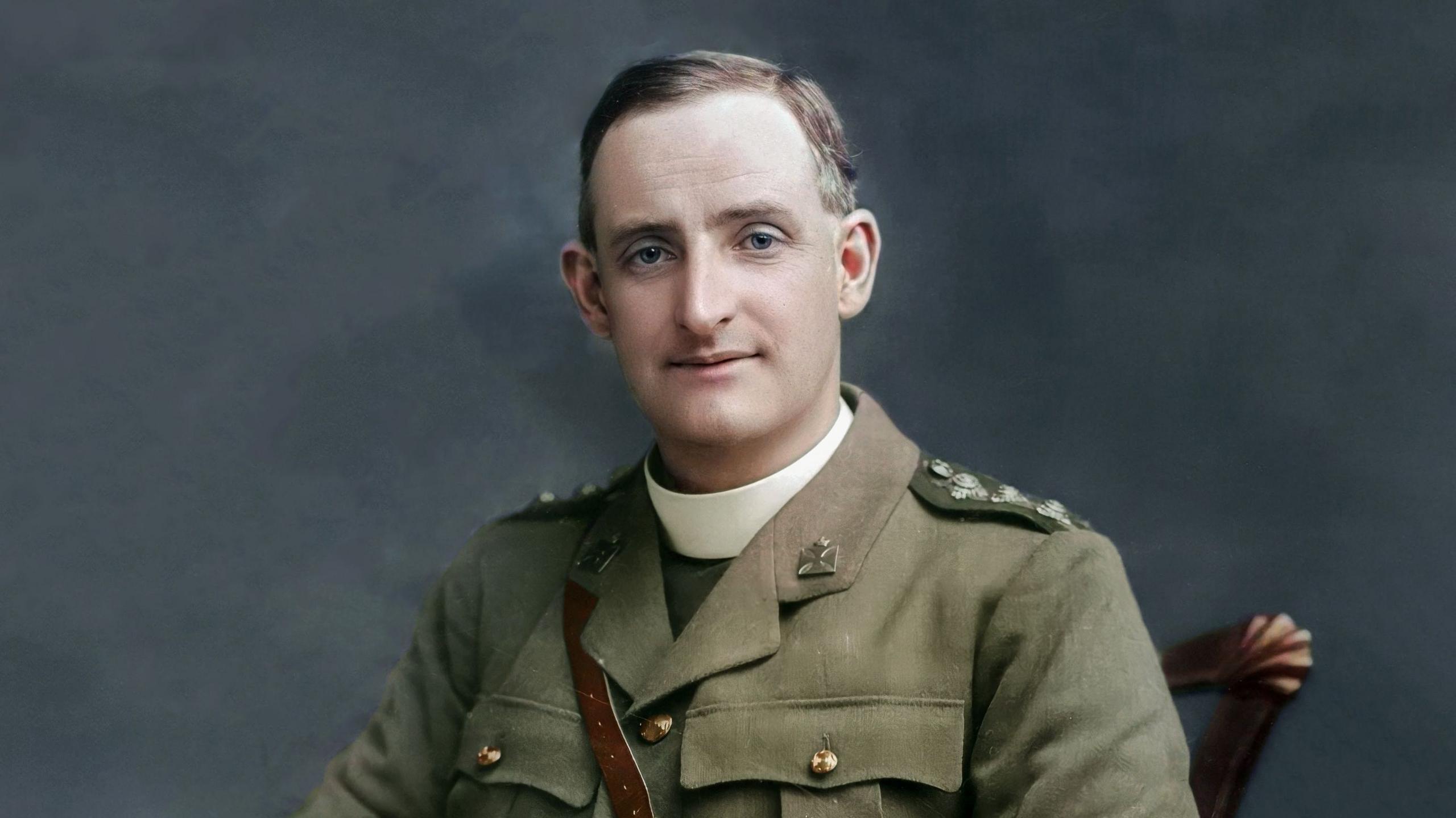
Fr Willie Doyle, a Dublin-born priest who served as a chaplain with the 16th (Irish) Division of the British Army during World War One, has been formally presented to the Vatican as a candidate for sainthood. His long career of courage, recognised with a Military Cross and repeated mentions in dispatches, is now being studied in six stages that could eventually elevate him to the rank of saint for the Catholic Church.
Born William Joseph Gabriel Doyle in 1873, he grew up in the affluent suburb of Dalkey and studied to become a Jesuit priest before becoming a war chaplain. In the mud‑filled trenches of the Somme, Messines and Passchendaele, Doyle repeatedly ran into No Man’s Land to rescue wounded soldiers and comfort the dying, regardless of their denomination. His willingness to care for captured German soldiers is cited as an early example of ecumenical charity.
The Fr Willie Doyle Association, formed in 2020 by Patrick Kenny and supported by clergy, launched the campaign for his canonisation. The Diocese of Meath opened a diocesan inquiry in 2022 and, after a theological and historical commission and a tribunal, amassed more than 3,500 pages of evidence – written correspondence, official reports and testimonies by those who served with him. Bishop Tom Deenihan gathered the documents in sealed parcels at Mullingar Cathedral; the ceremony, held on Sunday, marked the final public session of the tribunal and the formal submission of the case to Rome.
Fr Doyle was killed on 16 August 1917 at Passchendaele while attempting to help two wounded Protestant soldiers; one of the men was a young officer from Belfast. The Church now views him as an “ecumenical martyr of charity” whose self‑less service bridged religious and national divides, a legacy that Bishop Deenihan believes offers a powerful message for a generation that values inclusive spirituality.
While the canonisation process can take many years and involves five distinct stages, the current momentum and the strength of the evidence suggests that Fr Doyle could become Ireland’s newest saint, honoring both his military bravery and his compassionate ministry.