Who will lead France’s National Rally into the 2026 presidential race? The answer may be decided by a court verdict.
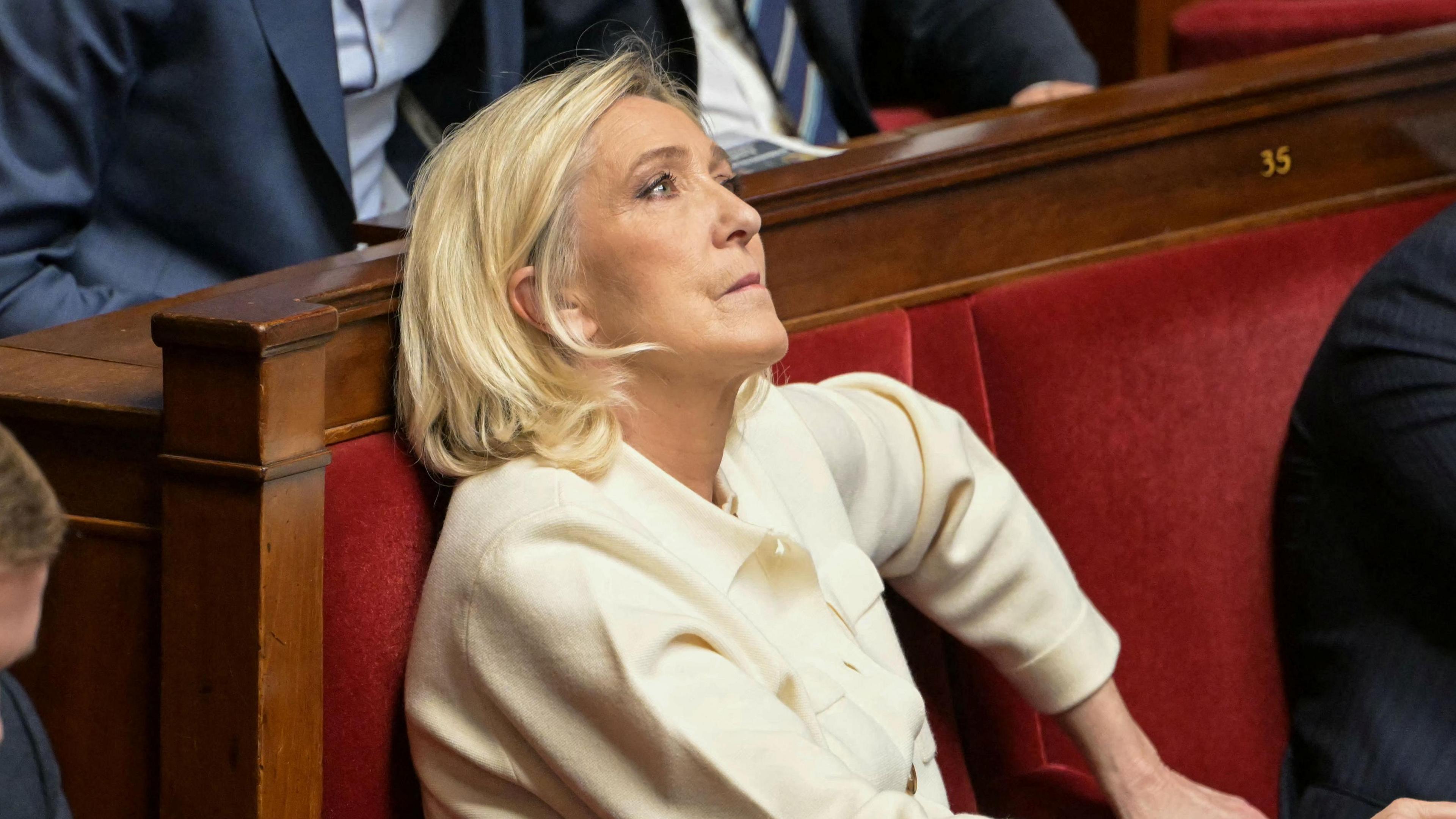
Marine Le Pen, the 57‑year‑old figurehead of the National Rally, was found last year liable for misusing EU parliamentary funds. She now faces an appeal that could leave her barred from all public office for five years — a sentence that would irreversibly end her campaign for the presidency.
Had the appeal court upheld the original ruling, Le Pen would be ineligible to run. Instead, the court must decide whether to keep the five‑year ban, reduce it to two years, or grant an outright acquittal. A two‑year restriction would technically allow her to stand, as the ban would expire around March 2027, a month before the election’s first round, but a mandatory electronic tag would likely render her campaigning impossible.
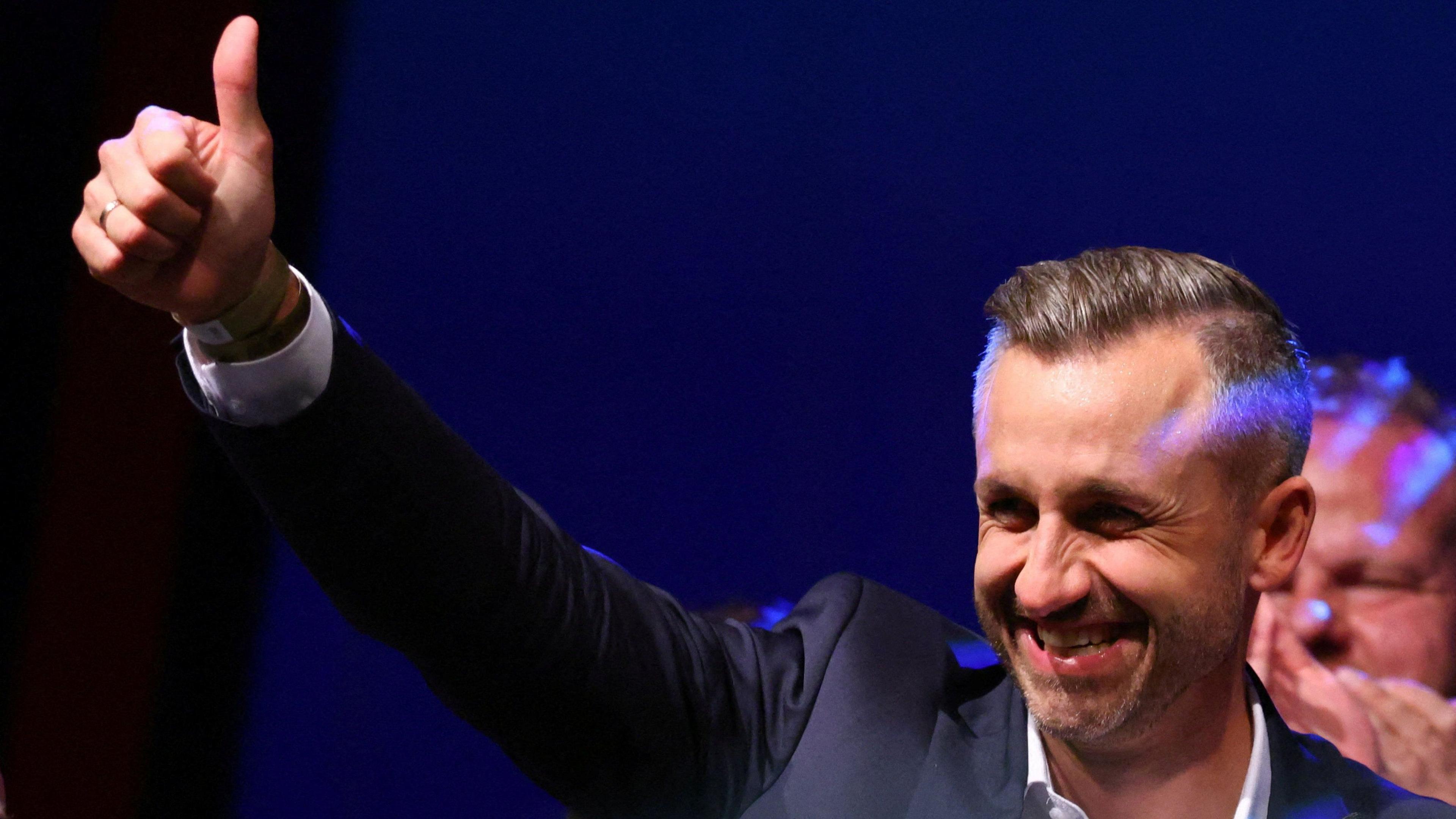
The National Rally’s hierarchy has already identified a back‑up candidate: 30‑year‑old Jordan Bardella. Polls suggest Bardella could be a viable front‑runner, though his limited political experience might become a hurdle in a national campaign. Whether Bardella steps in or Le Pen perseveres will reshape the party’s strategy and the electorate’s options.
The stakes extend beyond the RN. The verdict will influence France’s wider political balance, affecting how far‑right actors are perceived and the potential for a new government dominated by nationalist forces. French authorities are aware that the ruling could sway public perception and that any unexpected sentence could trigger further appeals to the Cour de Cassation.
The outcome remains uncertain, but the world watches for what the French legal system will deliver. The decision will decide whether an experienced, seasoned campaign will march into the polls or whether a untested, youthful contender will take the spotlight.