In brief
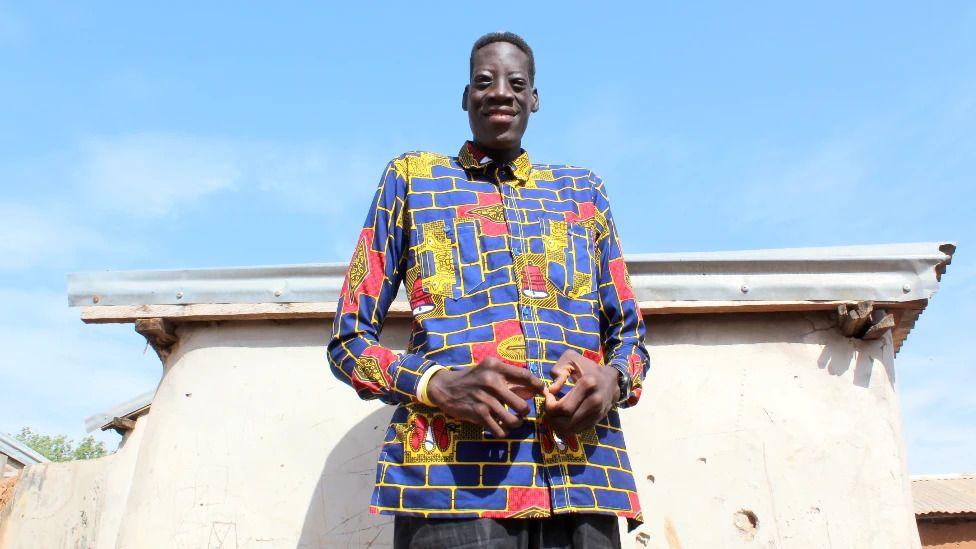
Ghana’s tall, generous giant Sulemana Abdul Samed—nicknamed Awuche—has died at age 33 in Tamale after infections on his legs worsened. The 7‑ft‑4‑in. man, diagnosed with Marfan syndrome in his 20s, was a regional celebrity whose height drew crowds to his Gambaga home. Towers built around him raised speculative interest before the BBC measured him in late 2022. Despite medical bills and systemic ailments, Awuche remained optimistic and engaged in his community. After burial, mourners emphasize the lasting impact he left on locals, who credit him with giving their village a famous identity.
Ghana mourns its tallest man – a generous and popular giant
Ghana is grieving the loss of Sulemana Abdul Samed – known locally as Awuche – who died at 33 in the northern city of Tamale. The 7‑ft‑4‑in. figure had been admitted for infected sores on his legs, a complication of the genetic disorder Marfan syndrome that triggered the progression of his extraordinary height.
A relative, Sulemana Abdul Kudus, told the BBC that everyone knew Awuche's generous spirit. Even after his passing, locals keep visiting his home to learn about the circumstances surrounding the giant’s death.
The BBC first reported on the man’s record height in December 2022, measuring him at 7‑ft‑4‑in. (223 cm). He had long struggled with complications of Marfan syndrome, a disorder that affects connective tissue and can cause long limbs and spinal curvature, worsening the infections that led to his death.
Although Awuche had faced many medical challenges, he remained upbeat and enjoyed his celebrity status. When he first noticed changes at twenty‑two years old, he said he could barely breathe because his tongue had expanded inside his mouth. The following days, other parts of his body grew rapidly, prompting a diagnosis of Marfan syndrome.
The family decided to bury Awuche in Tamale rather than Gambaga to prevent the village from being overwhelmed by the crowds of mourners.
Awuche’s death has brought renewed attention to the need for support for people with rare medical conditions and the limitations of healthcare access in rural regions.