In brief
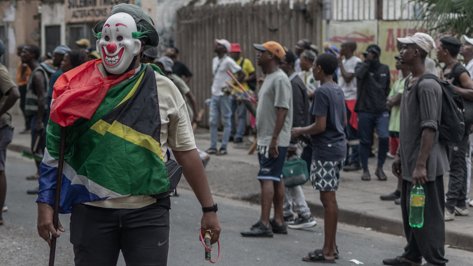
Ghana has postponed the visit of South Africa’s President Cyril Ramaphosa, citing a wave of xenophobic protests that forced thousands of Ghanaians to leave South Africa. The decision follows the repatriation of over 900 Ghanaian nationals and the death of a Ghanaian man claimed by Ghanaian officials to have been killed in protests. South Africa denies the incident and says the death was unrelated, sparking accusations of misinformation. Both countries insist they will continue diplomatic talks to resolve the dispute while the African Union is called upon to investigate the violence. The move highlights the growing strain on regional cooperation as migration and hate crimes remain pressing concerns.
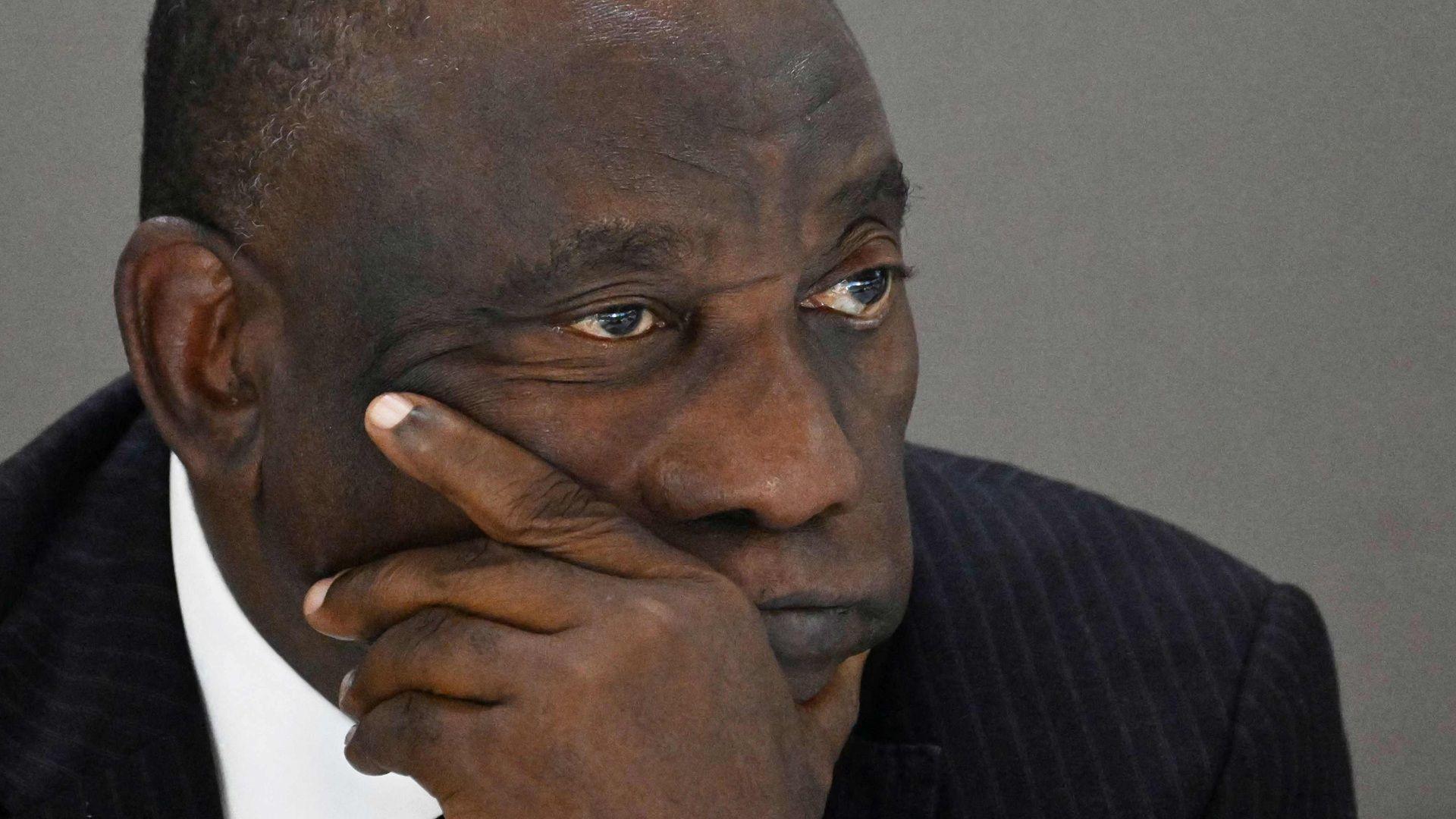
Ghana has postponed the visit of South African President Cyril Ramaphosa after a surge of xenophobic rallies that saw several hundred Ghanaians return to their homeland. The trip, originally scheduled for the first week of August, was deemed risky by Ghana’s government following fears that protests could spread.
In the weeks leading up to the planned stop‑over, Ghana repatriated more than 900 of its citizens from South Africa. The final group of roughly 900 nationals is set to be flown home in the coming weeks, a move that has increased tensions between the two countries.
Ghanaian officials have said that a 40‑year‑old Ghanaian named Bahiru Isak was killed during anti‑immigration protests on 30 June, while Pretoria maintains that no such death occurred. South Africa’s justice minister has accused Ghana of spreading false information, highlighting a legal dispute over the residency status of Ghanaian nationals in South Africa.
Amid the dispute, Ghana has petitioned the African Union for a fact‑finding mission to investigate hostile actions against foreigners, arguing that the violence contravenes the African Continental Free Trade Area agreement. South Africa has stated it remains committed to deepening cooperation with its “sister” nation, describing the visit as a bilateral meeting rather than a state visit.
Analysts warn that persistent xenophobia could isolate South Africa politically on the continent if measures to address anti‑immigrant sentiments are not urgently implemented. The situation underscores the challenges that migration, public sentiment and diplomatic relations face in a continent increasingly interlinked through trade and solidarity movements.