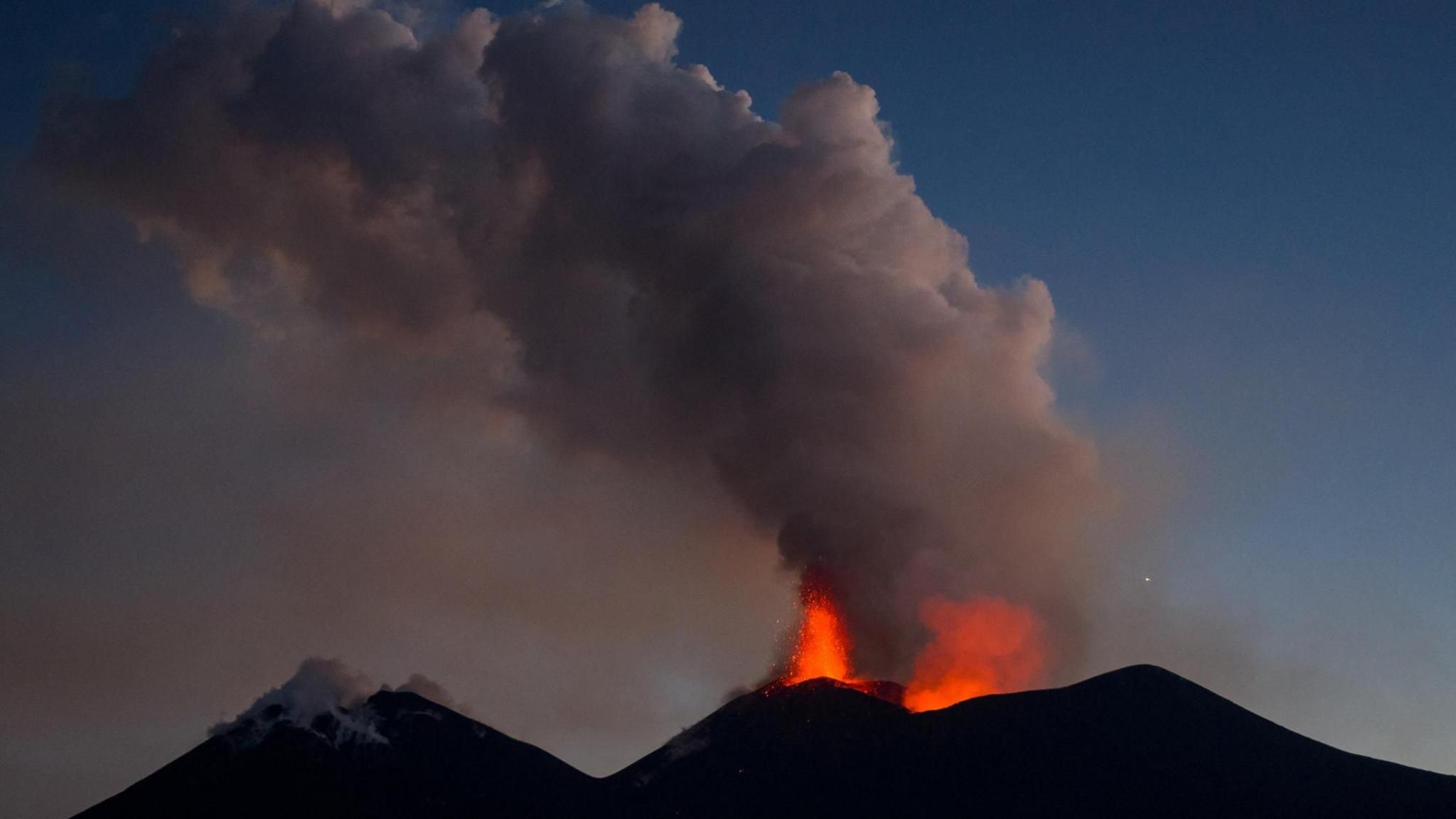
The Fuego (formerly known as Cerro Fuego) volcano erupted on Monday morning, unleashing lava and ash explosions that produced a series of fast‑moving pyroclastic currents down its southeastern slope. The activity is the latest in a series of violent eruptions that have occurred in recent years, including the catastrophic 2018 event that claimed more than 200 lives.
In response, the Guatemalan national disaster‑management agency Conred issued an orange alert – the country's second‑highest danger level – prompting widespread evacuations of villages situated on the volcano’s flanks. Officials advised residents to shut windows and doors, remain indoors, and preferred evacuation routes that avoid lower elevations prone to ashfall and fast‑flowing gases.
Schools in proximity to Fuego were closed for the day, and authorities warned visitors to Antigua – a UNESCO World Heritage site and popular tourist destination only 16 km (10 miles) from the volcano – to stay clear of the crater and the surrounding volcanic slopes. Tourism operators have expressed concern over the sudden disruption to travel plans and the potential longer‑term impact on regional economic activity.
Scientists monitoring the volcano noted that pyroclastic flows continued into early Tuesday, a dangerous plume of ash, pumice, and hot gases that can travel at speeds of over 200 km/h. The continued activity underscores the unpredictability of Fuego’s eruptions and the importance of maintaining vigilant monitoring and rapid‑response protocols.
The incident follows a historic trend of large‑scale casualties from Fuego, most notably the 2018 eruption that sent a fast‑flowing pyroclastic surge down the Las Lajas ravine, catching many residents in the path. Recent evacuations and alert measures are designed to prevent such tragedies, but the situation remains fluid as the volcano’s behaviour continues to evolve.
Conred and local governments are coordinating with international experts to assess ongoing risks, while humanitarian agencies are preparing for possible shelter and assistance needs for evacuees. The eruption has spurred a broader discussion among geologists, policymakers, and the tourism community about balancing economic interests with public safety in regions marked by active volcanism.